
Fuel Panic Buying Risks Triggering Shortages, Warns Consumer Advocacy Chief
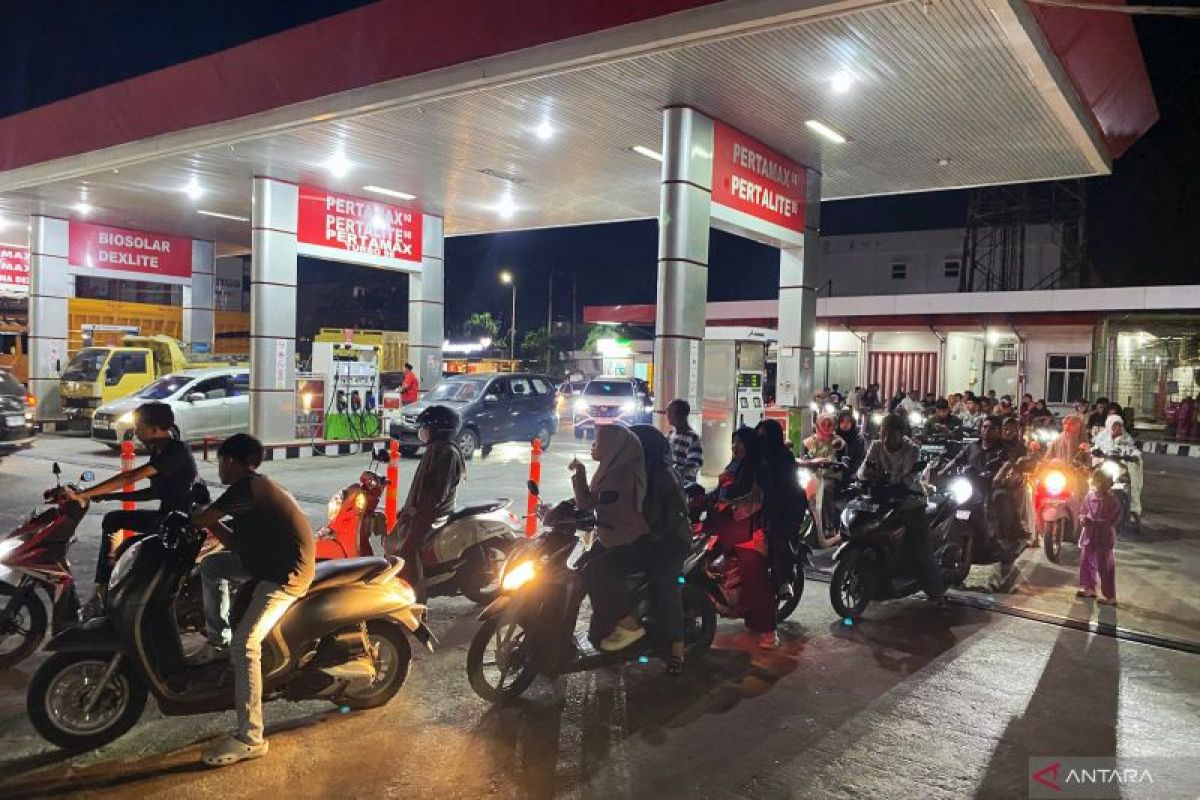
Jakarta — The chairman of the Indonesian Consumer Empowerment Forum (FKBI), Tulus Abadi, has urged the public against panic buying fuel as it could cause shortages and push prices higher.
“Panic buying is an impulsive and selfish action that will not solve the problem. Therefore, consumers should refrain from engaging in panic buying,” Tulus said in a statement in Jakarta on Tuesday.
He argued instead that the public should focus on mitigation strategies by controlling fuel consumption, such as using public transportation for daily activities and mobility.
On the government side, Tulus has called for rational and holistic policies to manage fuel consumption so that the public can respond to the situation in a measured manner.
According to Tulus, policies such as working from home or working from anywhere (WFH/WFA), shortened working weeks, and reduced working hours — which many countries have implemented — should be considered. He also suggested that evaluating the subsidised fuel quota of 60 litres per day for pertalite could be discussed.
“National average consumption of pertalite for private vehicles is only 19.5 litres per day. Evaluating the subsidised fuel consumption quota would have less socio-economic impact than raising fuel prices,” Tulus said.
He noted that the current situation is understandable given that Indonesia’s fuel and liquid petroleum gas supplies come from the Middle East.
Public concern about potential fuel shortages has prompted the government to propose WFH policies for civil servants to conserve fuel.
“Although this proposal lags behind other countries, it is understandable from a consumption control perspective. However, on the other hand, the public is worried about quota reductions and potential shortages,” Tulus said.
As a result, panic buying has begun in areas such as Aceh and Jember, he added.
Tulus warned that without swift mitigation measures, fuel panic buying could spread more widely.