
Fuel Crisis Worsens in Indonesia's Neighbour, Many Petrol Stations Close
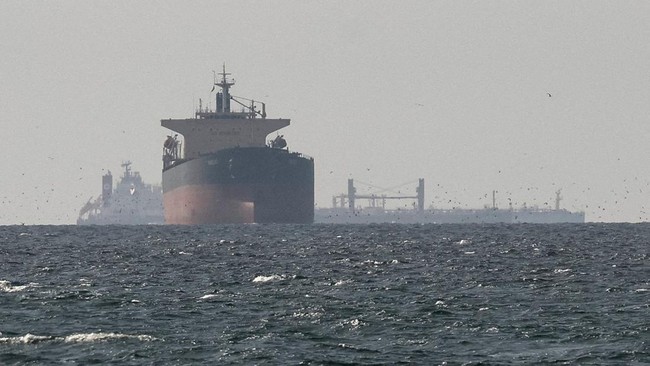
The war initiated by the United States (US) and Israel against Iran has brought major disaster to the world, marked by surging oil prices due to the closure of the Strait of Hormuz. Cambodia, a neighbouring country to Indonesia, is already feeling significant impacts.
A Channel News Asia report states that around one-third of the 6,300 petrol stations in the country with a population of nearly 18 million closed last week due to uncertainty over the conflict’s effects on fuel prices. Many have since reopened, but 5.77% remain closed, according to Energy Minister Keo Rottanak in statements to Reuters.
Cambodia is now importing more fuel from suppliers in Singapore and Malaysia to cover shortages from Vietnam and China, Rottanak told Reuters on Wednesday (18/3).
The US-Israel war in Iran has tightened global fuel availability. Vietnam and China have restricted fuel exports at least until the end of March to prevent potential domestic shortages.
Neighbouring Thailand banned exports in July 2025 following the start of armed conflict with Cambodia and has not resumed supplies since then.
Thailand and Vietnam together accounted for more than 60% of Cambodia’s annual petroleum product imports in 2024, while Singapore and Malaysia contributed nearly one-third and China around 7%, according to data from the International Trade Centre, a Geneva-based UN-WTO trade body.
Rottanak said Cambodia has increased imports from Singapore and Malaysia due to export restrictions elsewhere.
“We can still import a little from China. But because we have strong partnerships with global suppliers Total and Chevron, they are able to mitigate some of the risks,” he said in an interview with Reuters.
Rottanak did not provide specific details on when supplies from Singapore and Malaysia would arrive, but said current fuel stocks are comparable to historical levels.
Exports of petrol and diesel from both countries to Cambodia in the first 18 days of this month were recorded 25% higher than the same period last year, but 40% lower than the last 18 days of February, according to Kpler data.
Cambodia has no oil refinery. The country has less than one month’s supply of diesel, jet fuel, liquefied petroleum gas, and petrol under normal conditions, Rottanak said.
“We are not 100% protected at this stage, but inflows seem fine for now,” he stated.