
FSHA Recommends Evaluating Judges' Salaries and Allowances Every Three Years
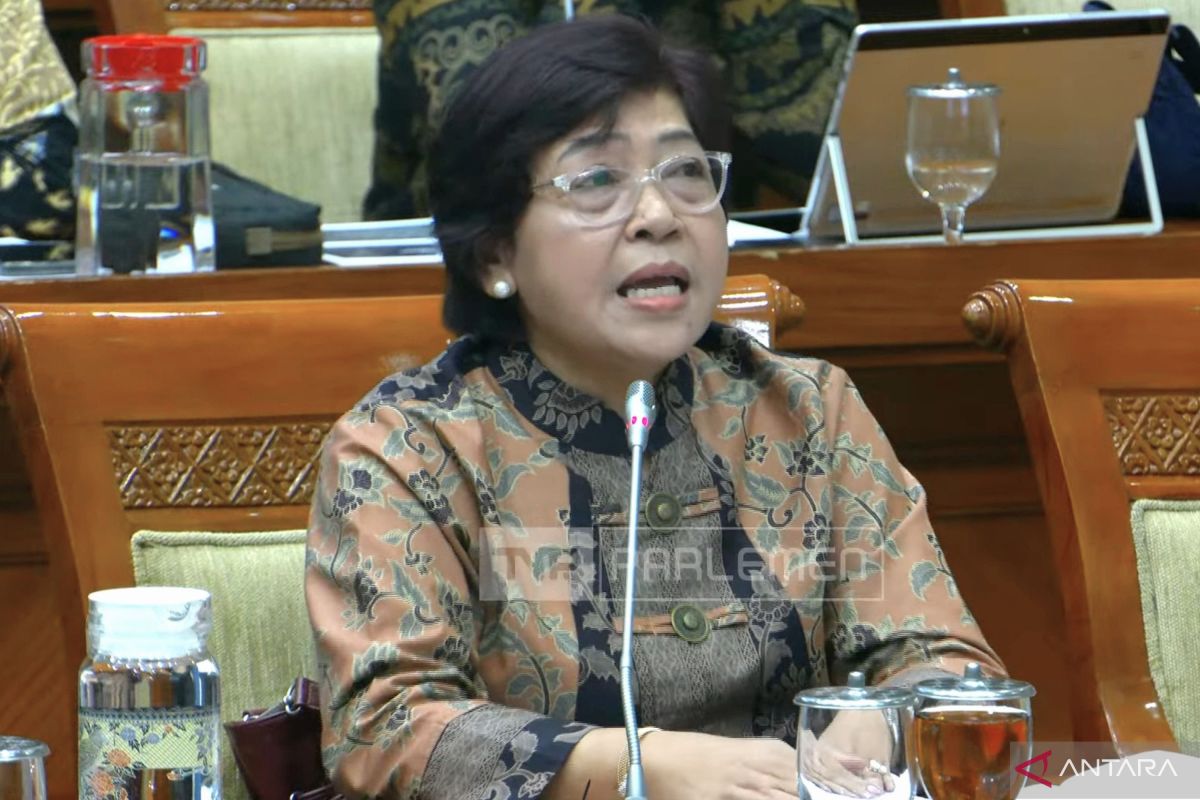
Jakarta (ANTARA) - The Indonesian Ad Hoc Judges’ Fellowship Forum (FSHA) recommends adaptive financial rights or adjustments to judges’ salaries and allowances be calculated periodically every three years, taking into account economic growth, inflation rates, and other factors.
FSHA Coordinator Siti Noor Laila stated that this is important to maintain the dignity of judges and prevent mass leave or strikes by judges fighting for welfare in the future.
“The equalisation of the concept of career judges, non-career judges, and ad hoc judges as state judicial officials in the Judicial Positions Bill must also have an equal impact on welfare in financial rights and facilities,” said Siti during a public hearing (RDPU) with Commission III of the House of Representatives (DPR RI) in Jakarta on Tuesday, as monitored online.
This is also followed by social security and security guarantees for judges and their families from home to the work environment.
Regarding social security and security for judges and their families at home, Siti reminded that the state also needs to pay attention to safety courses or educational programmes on pension guarantees, old-age security, work accident guarantees, death guarantees, and job loss guarantees for judges and their families.
Meanwhile, for security guarantees for judges in the work environment, FSHA proposes the establishment of an internal security unit under the Supreme Court (MA).
Regarding the Code of Ethics and Guidelines for Judicial Conduct (KEPPH), which has not yet been included in the Judicial Positions Bill, FSHA provides input to classify what actions constitute minor, moderate, and severe violations.
“This is accompanied by classification of sanctions for each form of violation,” she said.
In addition to financial rights, facilities, and social and security guarantees for judges, families, and the work environment, FSHA stated that there are eight other matters not yet accommodated in the Judicial Positions Bill.
These include the dual status of career judges as state officials and civil servants (ASN); the unclear employment status of ad hoc and non-career judges in legislation; changes in the pattern of recruitment, placement, and development of judges; and the term of service or tenure of judges.
Not only that, there are also issues related to the prevention, supervision, and advocacy system for judges; the Code of Ethics and Guidelines for Judicial Conduct in KEPPH, the reward and sanction system that has not been clearly classified; contempt of court or actions insulting the court that have not been regulated; and the establishment of a Special Judicial Body or Special Chamber.