
FSHA proposes changes to judge recruitment patterns in the Judicial Positions Bill
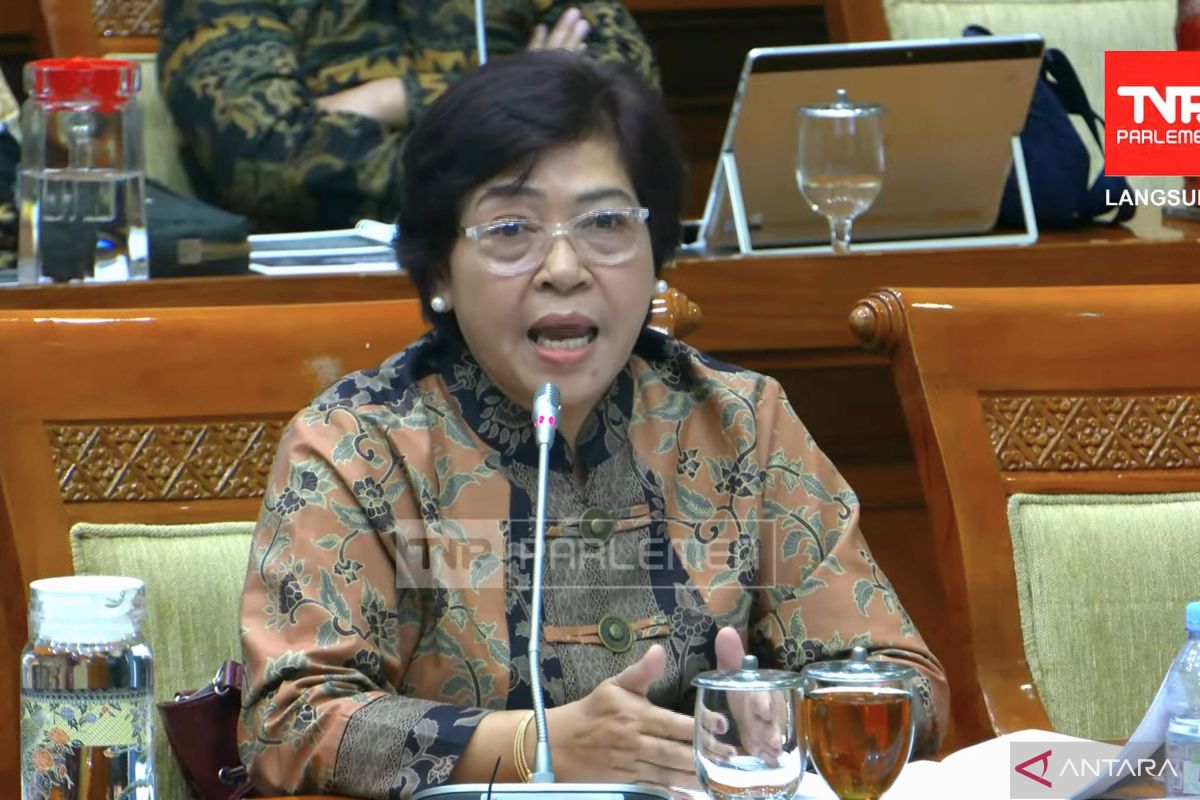
Jakarta (ANTARA) - The Indonesian Forum for Rapport among Ad Hoc Judges (FSHA) has proposed changes to the judge recruitment pattern, shifting from the previous civil law system to a common law system in the Judicial Positions Bill (RUU JH).
FSHA Coordinator Siti Noor Laila stated that the change is based on the principle of meritocracy, prioritising professionalism and experience in the legal field and other relevant areas for at least five years before recruitment as a judge.
“This recruitment pattern also provides opportunities for the Judicial Commission (KY) to play a greater role as an independent merit commission that can produce higher-quality and more integrity-driven judges from recruitment,” Siti said during a public hearing with the House of Representatives’ Commission III in Jakarta on Tuesday, as monitored online.
The civil law system is a legal system based on written law or the codification of legal principles in statutes, while the common law system is a legal system based on judges’ decisions and societal customs and practices, not on written legal codification such as statutes.
She opined that this change in recruitment pattern could become an important milestone for reforming the Supreme Court (MA) institution, transforming the previous structure that tended towards institutional loyalty into loyalty to the state and justice.
In addition, the recruitment pattern will be followed by a periodic evaluation system every five years, as has been applied to ad hoc judges so far.
Thus, Siti explained, judges who pass the periodic evaluation can continue as judges until retirement age according to their respective court levels.
On the same occasion, FSHA also recommended efforts for prevention and development to maintain judges’ integrity by involving the KY.
“The implementation of a merit-based judge recruitment system, which requires experience, will correlate with the extension of retirement age because greater experience aligns with maturity of age,” she stated.
Therefore, Siti continued, increasing the retirement age for first-instance judges to 67 years, appellate level to 70 years, and Supreme Court justices to 75 years is a necessity if the state wishes to attract experienced professionals as the vanguard of justice.
The Judicial Positions Bill is included in the 2026 Priority National Legislation Programme (Prolegnas) and is currently in the active discussion stage by the House of Representatives’ Commission III.
The discussion focuses on strengthening the status of judges as state officials, improving independent recruitment by the MA, enhancing welfare, and adjusting retirement ages. The bill aims to increase judicial independence and legal certainty.