
From WFH to Defence Fuel Efficiency: Government's Strategy to Face Global Energy Pressures
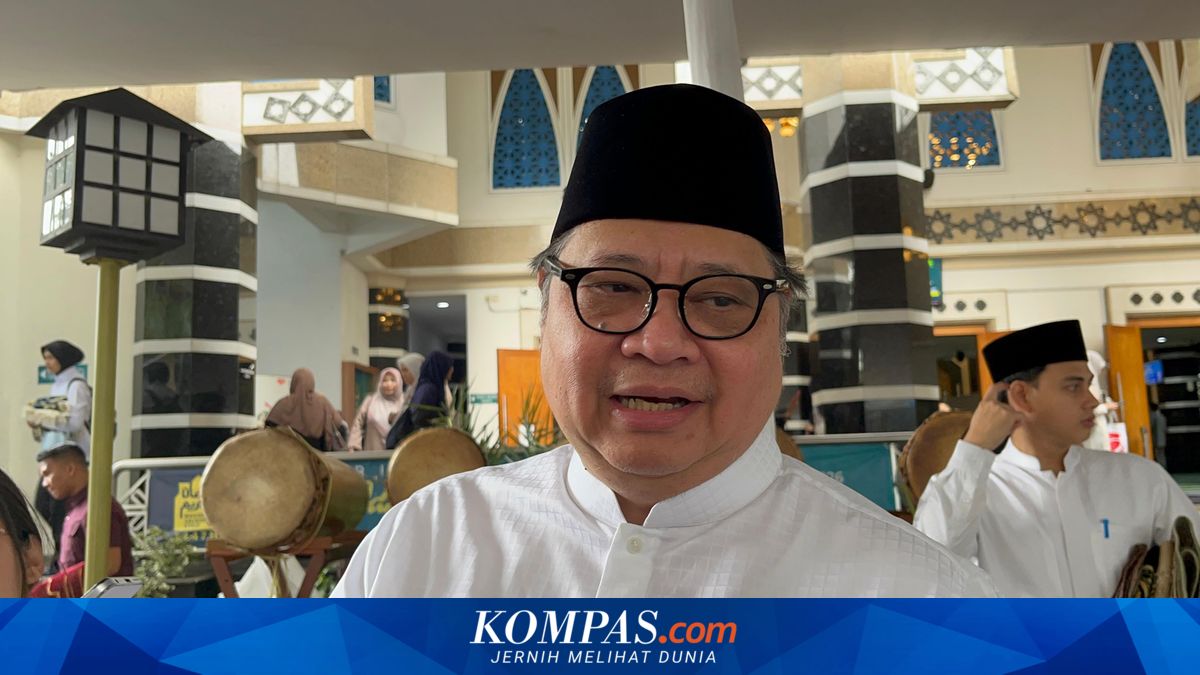
The government is preparing several energy efficiency measures amid global pressures from rising world oil prices. One of them is a policy plan for work from home (WFH) one day per week for civil servants (ASN) and private sector workers. In line with this, the Ministry of Defence (Kemhan) together with the Indonesian National Armed Forces (TNI) is also carrying out efficiency in the use of fuel oil (BBM) in non-operational sectors without disrupting national defence readiness. Coordinating Minister for the Economy Airlangga Hartarto stated that the work flexibility policy is being studied as a response to the surge in global energy prices triggered by conflicts in the Middle East region. The government plans a WFH scheme to be implemented one day in five working days. This policy is not only aimed at ASN but is also expected to be applied by the private sector and regional governments with mechanisms that are still being prepared. In the defence sector, Kemhan emphasised that BBM efficiency steps are focused on supporting aspects and do not impact TNI’s strategic operations. Head of the Defence Information Bureau of the Kemhan Secretariat General, Brigadier General TNI Rico Ricardo Sirait, said that the policy is a proactive step in responding to global geopolitical dynamics that have the potential to affect national energy stability. “This efficiency is a manifestation of readiness and discipline in managing strategic resources, not because of an emergency condition,” he said. Efficiency measures are carried out in a measured manner, including regulating the use of official vehicles, optimising employee transport, and adjusting the use of main weapon system equipment (alutsista) based on operational priority indices. In certain functions, work day arrangement schemes are also part of efficiency options. The government also emphasised that national energy reserves are currently in a safe condition, so efficiency is more directed at efforts to maintain economic stability and national resilience in a sustainable manner. Support for BBM efficiency policies in the defence sector also comes from the DPR. Deputy Chairman of Commission I of the DPR, Dave Laksono, assessed that efficiency actually shows commitment to more modern and sustainable defence governance. “Amid global geopolitical dynamics and national fiscal challenges, efficiency is not a form of reducing commitment to defence, but an effort to ensure that every resource is used more wisely and oriented towards strategic needs,” said Dave.