
From Upstream to Downstream, Jakarta Provincial Government Strengthens Integrated Waste Management System
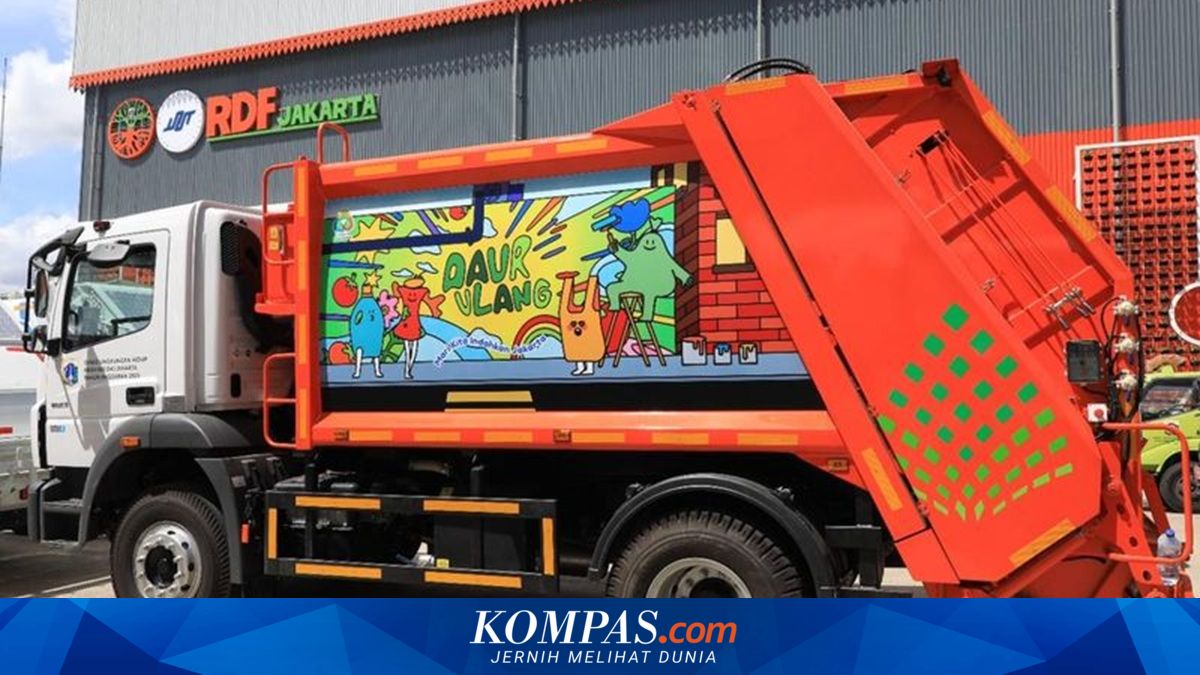
KOMPAS.com - The issue of garbage in the capital is increasingly complex. Therefore, the Jakarta Provincial Government (Pemprov DKI Jakarta) continues to strengthen its waste management system from upstream to downstream. The strategy is implemented through waste sorting at household level, development of waste banks, and optimisation of Refuse-Derived Fuel (RDF) technology. This move is expected to significantly reduce the volume of waste dumped at Bantargebang Integrated Waste Processing Facility (TPST) and to build a more sustainable management system. Currently, Jakarta’s waste volume runs at around 7,400-8,000 tonnes per day. ‘We optimise sorting at the source from households, then manage inorganic waste at the RDF facilities,’ said Dudi when contacted via WhatsApp on Friday (22/5/2026). He explained that the quality of RDF is strongly influenced by the type of material entering the processing facility. ‘The better the characteristics of the waste, in this case dominated by inorganic materials, the higher the quality of the RDF product,’ he said. Therefore, Pemprov DKI continues to encourage the public to separate organic and inorganic waste from home. According to Dudi, RDF is a large-scale waste processing facility to reduce volumes before being sent to Bantargebang TPST. ‘The Bantargebang TPST is nearing its maximum capacity. Currently, RDF is the only large-scale waste processing facility in the city that can reduce the load on Bantargebang TPST,’ he said. Currently, RDF Rorotan has a processing capacity of up to 2,500 tonnes of waste per day. The operational capacity currently running is around 400-700 tonnes per day. This figure is targeted to gradually increase to 1,000 tonnes per day by the end of 2026. One example of a waste bank is at Kampung Edukasi Wisata Bhinneka, RT 014 RW 006, Kelurahan Kebon Kosong, Kemayoran, Central Jakarta. The initiator of Kampung Edukasi Wisata Bhinneka, Joko Sarjono (60), said that residents in his area are accustomed to managing waste separately before depositing it to the waste bank.