
From the Negotiating Table to the Battlefield: Trump Orders Attack on Iran
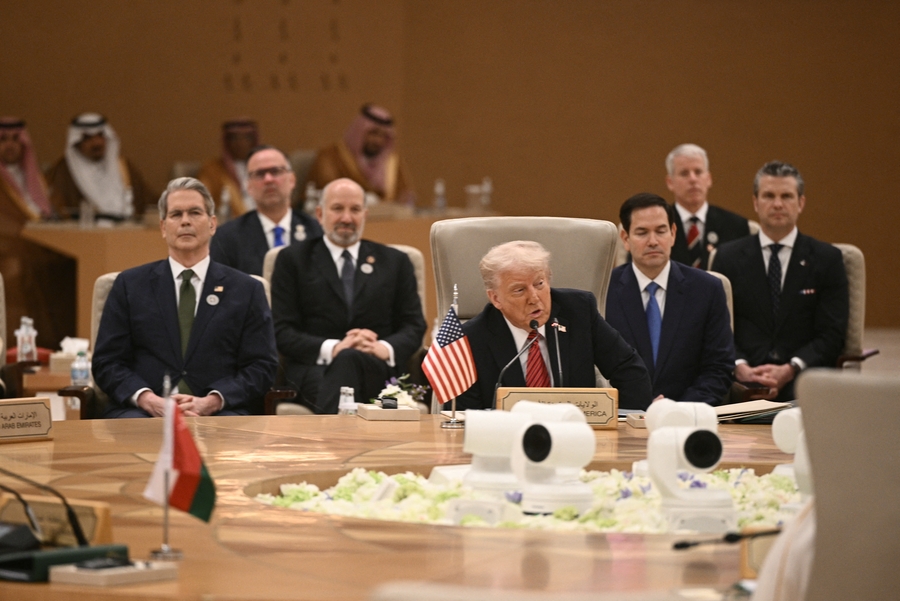
A brutal and lethal attack by Israel and the United States on Iran on Saturday, 28 February, shocked the world.
Tensions between the United States and Iran reached a critical point after a final diplomatic attempt in Geneva ended without agreement. The meeting, held on Thursday, brought together officials from President Donald Trump’s administration with Iran’s delegation to discuss Tehran’s nuclear programme.
During the meeting, the American side insisted that Iran must not enrich uranium for the next ten years. However, Iranian Foreign Minister Abbas Araghchi rejected this demand, asserting that Iran possessed an inalienable right to enrich uranium. This statement was countered by US envoy Steve Witkoff, who said that America also possessed an inalienable right to stop such actions.
The meeting, which was also attended by Jared Kushner, was tense. A senior US government official reported that Araghchi had shouted during the discussion. Witkoff subsequently remarked, “If you want, I can leave.” After the report was conveyed to Trump, the president reportedly felt bewildered by the outcome of the meeting.
Days later, the situation changed dramatically. Early on Saturday morning, Trump announced the commencement of a major military operation against Iran through a video posted on his social media. His statement recalled President George W. Bush’s announcement of the end of major combat operations in Iraq more than two decades ago.
In a brief interview with NBC News, Trump explained his reasons for the military action. “They don’t want to stop their nuclear research,” he said. “They don’t want to say that they won’t have nuclear weapons. It’s very simple,” he added.
This decision marked a significant departure from Trump’s previous political promise to avoid prolonged foreign wars. He had previously written that he was elected on a promise to withdraw from these foolish, endless wars. However, he has remained consistent in stating his commitment to preventing Iran from acquiring nuclear weapons.
The military operation, named Operation Epic Fury, began at 01:15 local time. The United States deployed B-2 stealth bombers, fighter jets, and various weapons systems to strike Iranian naval targets, missile facilities, command centres, and air defence systems.
US and Israeli intelligence had previously tracked the movements of Iran’s Supreme Leader Ayatollah Khamenei, who was reported killed in the strike.
Before the operation commenced, Trump had given Iran a deadline of 10 to 15 days to agree to a new deal. He warned that very bad things would happen if Tehran refused.
In a speech in Texas the day before the attack, Trump also stated, “Now we have a major decision to make. You know it. It’s not easy, it’s not easy.”
The attack immediately triggered a counterattack from Iran. Explosions were heard in Tehran, whilst air raid sirens wailed in Israel. Airlines cancelled more than 1,500 flights in the Middle East region due to the military escalation.
Two US officials stated that Iran’s counterattack in Kuwait killed three American military personnel and injured five others.
In his latest statement, Trump suggested that the conflict might not end soon. “Unfortunately, there are likely to be more before this ends. That’s the reality,” he said.
The ongoing war has the potential to significantly reshape the political landscape of the Middle East. Trump told British media that the conflict might be resolved in four weeks or less.
However, a number of analysts believe the ultimate outcome will largely depend on developments on the ground and political dynamics within Iran itself.
President Trump stated that the United States military operation against Iran is expected to last approximately four weeks, or even less.
The escalation of the conflict in the Middle East following the US strike on Iran has triggered a risk-off sentiment in global financial markets.
PT Pertamina (Persero) has increased operational oversight in response to geopolitical dynamics in the Middle East region.
The IRGC claims that 560 US military personnel were wounded or killed in Iran’s counterattack.