
From SEO to GEO: A Brand Strategy in the Generative AI Era
The development of artificial intelligence is starting to change how people search for and discover information on the internet. If brands or companies previously competed to appear at the top of search engine results through search engine optimisation (SEO), a new approach has emerged known as generative engine optimisation (GEO).
Unlike SEO, which focuses on rankings in search engines, GEO aims to ensure the brand remains visible in the answers generated by generative AI systems.
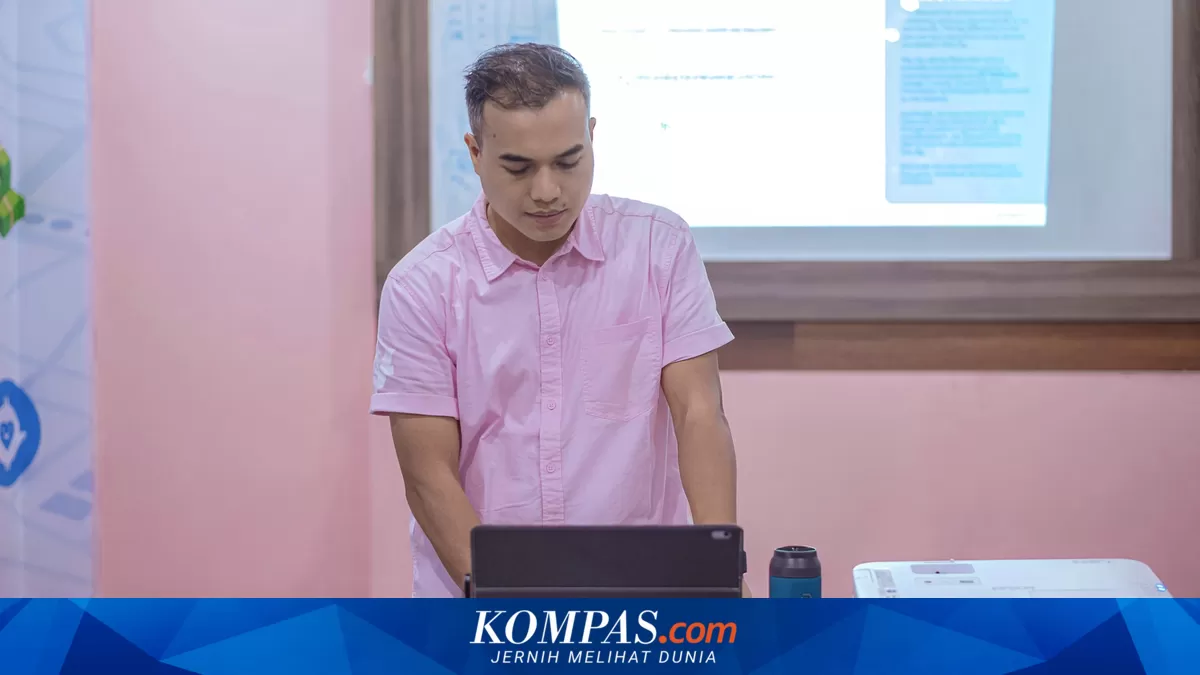
Founder and Director of PT Arfadia Digital Indonesia, Tessar Napitupulu, regards the change as marking a new phase in the digital marketing landscape. According to him, companies are no longer enough to merely optimise conventional search engines, but must also understand how AI constructs answers and recommends information to users.
“The way people search for information has changed. When a user asks AI a question, they often immediately receive a summarised answer. In that situation, the brand must still be visible,” Tessar said in a press release received by Kompas.com on Sunday, 8 March 2026.
Experience in dealing with various technological changes has also shaped Tessar’s view of the future of the digital industry. “This diversification from services to software products has helped us weather the 2020 pandemic that hit the services sector hard,” Tessar said.
For context, Arfadia has developed the Arfadia Education System (SIDIA), an educational software registered with the Ministry of Communications and Digital (Komdigi) and implemented in dozens of regencies and municipalities across Indonesia.
For Tessar, that experience shows digital companies must always be ready to adapt to changes in technology or market conditions. That view stems from his long journey building Arfadia, the digital agency he founded almost two decades ago.
A computer science graduate from Binus University (Binus) who also studied management at PPM School of Management previously worked as an IT Consultant at GFA Consulting Group on a project for the Ministry of Social Affairs (Kemensos).
He also served as an Information Management Assistant at the United Nations Development Programme (UNDP) with assignments at the National Development Planning Agency (Bappenas) for the PNPM Mandiri programme. Tessar’s decision to leave that career path in 2008 surprised many people around him.