
From Rupiah to Economic Independence
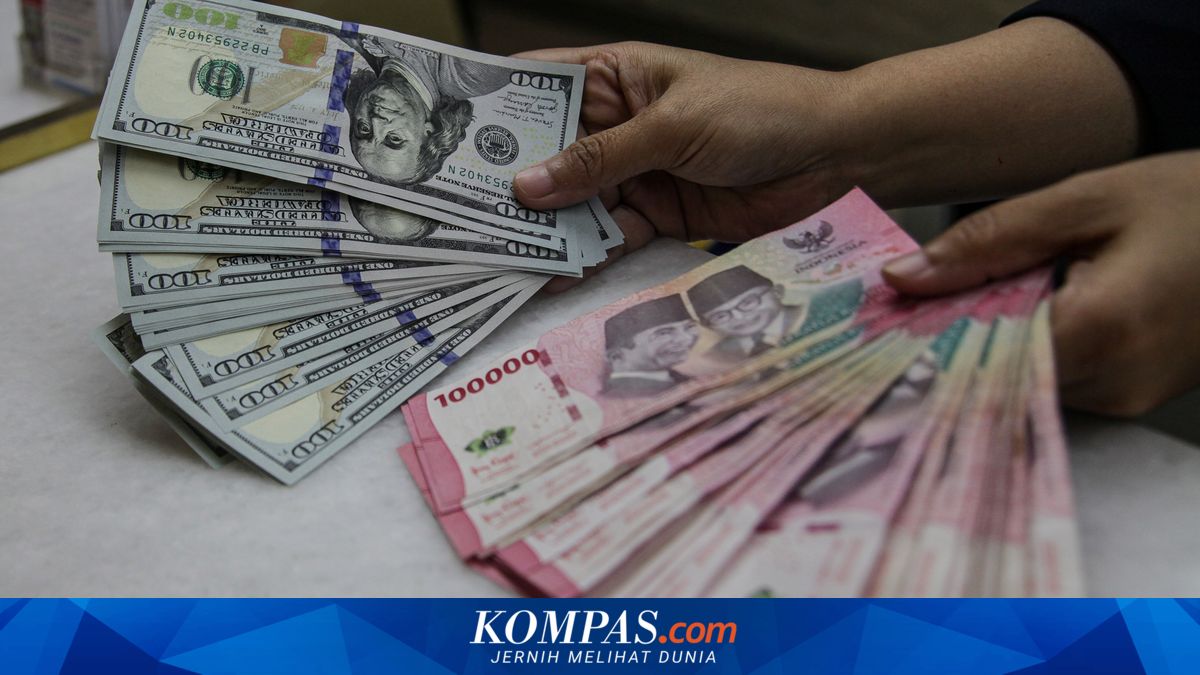
The rupiah has once again become a hot topic of discussion. In recent months, its value has faced considerable pressure. Indeed, in early May 2026, the exchange rate briefly touched the Rp17,400 per US dollar level, reflecting serious pressures from both global and domestic factors. At the same time, a paradox emerges. On one hand, the Indonesian economy has recorded fairly solid growth, reaching 5.61% in the first quarter of 2026, the highest in more than three years. However, on the other hand, the weakening rupiah, cost-of-living pressures, and global uncertainties continue to loom. This situation underscores one important point: economic growth alone is not enough. What Indonesia needs is not just a growing economy, but a sovereign economy—one that is not easily shaken by external pressures. This piece attempts to delve deeper into the phenomenon, examining how the rupiah reflects the economic structure, the root causes of this fragility, and the long path towards economic independence. When the rupiah is stable, it means that economic actors, both domestic and global, have confidence in Indonesia’s economic fundamentals. Conversely, when the rupiah is under pressure, it indicates vulnerability. The current pressures on the rupiah do not stand alone but are the result of interactions between global and domestic factors. On the global side, high US interest rates, geopolitical tensions, and capital outflows from emerging markets are the main triggers. However, on the domestic side, structural issues are no less important, including import dependency, an as yet unstrong industrial structure, and the dominance of foreign capital in the financial markets. This means that the rupiah’s weakening is not merely a short-term phenomenon but a signal that the national economic foundation still needs strengthening. Looking at macro data, Indonesia’s economic conditions are relatively stable. Inflation, for example, remains within a controlled range. In April 2026, annual inflation was recorded at 2.42%, within Bank Indonesia’s target of 2.5±1%. Additionally, the trade balance still shows a surplus of around US$3.32 billion in March 2026. However, behind these figures, the reality on the ground is not always as rosy as the statistics. Many small business actors complain of declining consumer purchasing power, rising production costs, and price pressures on raw materials due to the rupiah’s weakening. This is the condition often referred to as “economic asymmetry,” where macro growth appears strong but is not fully felt at the micro level. This phenomenon shows that Indonesia’s economic structure still has gaps. Growth is not yet fully inclusive, and stability is not yet fully solid.