
From Raw Rubber to Ready-to-Use: This Is How Bridgestone Tyres Are Manufactured
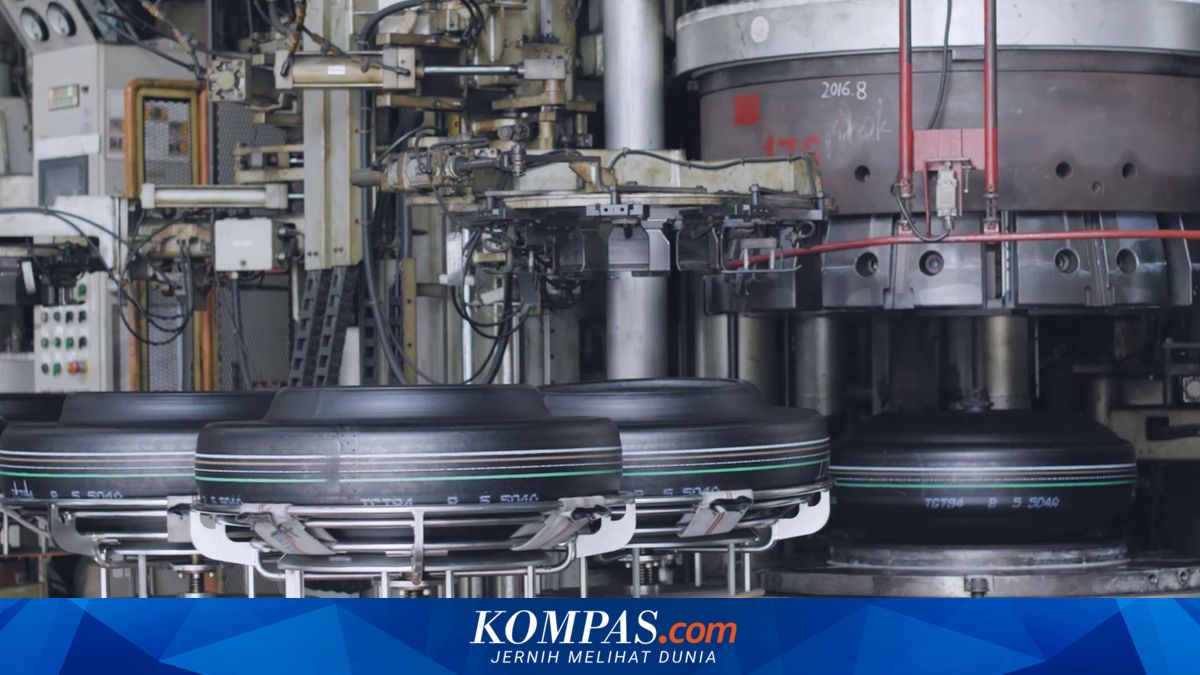
Bangkok — Tyre production involves far more than material selection, compound formulation, and testing; the manufacturing process is considerably complex before tyres are ready for use on vehicles.
This became evident during a visit to one of Bridgestone’s tyre factories located in Saraburi, Thailand. The facility, which spans 660,000 square metres and has been operating since 1995, is dedicated to producing Bridgestone radial tyres for both passenger vehicles and light commercial vehicles.
The mixing process uses machinery to transform materials into compound layers, which then undergo cooling and adhesive application. The resulting compound is subsequently formed into tread and sidewall sections.
Subsequently, the green tyre undergoes curing—a vulcanisation process that unites rubber with carbon black. The tyre is placed in a mould with a temperature specifically adjusted for the process. This stage lasts several minutes, after which the mould automatically opens.