
From Piles to Order
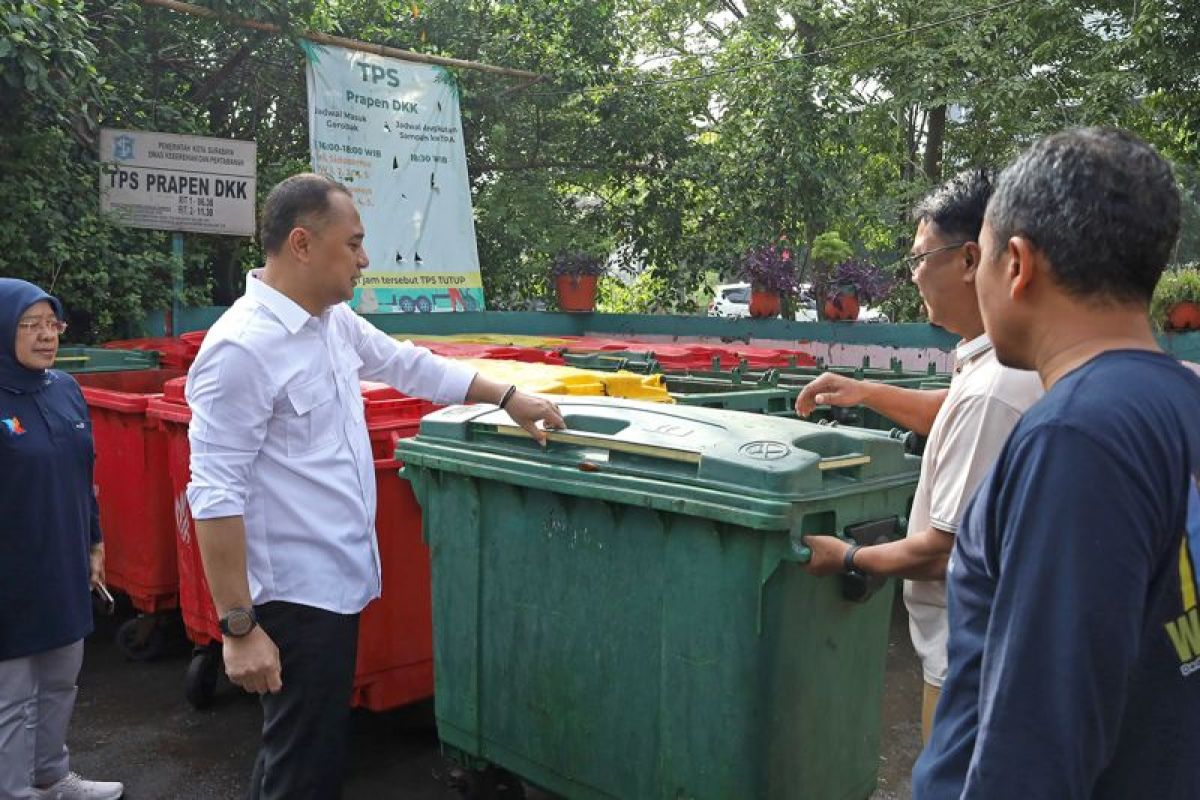
Surabaya is often referred to as one of the cities with the best waste management in Indonesia. Surabaya (ANTARA) - Mornings in the city’s corners often begin with a nearly inaudible sound: the soft creaking of cart wheels, the dragging of plastic bags, and the footsteps of cleaning staff moving before the hustle and bustle starts. Behind this routine, there is one system that works quietly but determines the face of the city, namely waste management. In the city of Surabaya, East Java, this system is being seriously overhauled. It is not just about transporting and disposing, but an effort to comprehensively restructure the architecture of the city’s cleanliness. In recent years, Surabaya has often been mentioned as one of the cities with the best waste management in Indonesia. Its waste production reaches around 1,800 tonnes per day, with a handling rate approaching 95 percent. These figures do not come about on their own. They are the result of a combination of policies, operational discipline, and community involvement. However, behind these achievements, there is a classic problem that continues to lurk, namely the imbalance between waste volume and system capacity. The improvements now being carried out by the Surabaya City Government show that the waste problem is no longer seen as merely a technical issue. It has shifted to become a governance issue, even culture. From here, it is interesting to see how this city is trying to close the gaps that have so far been overlooked. Data Discipline