
From Kopyor to Wulung, Indonesia's Coconuts Actually Have a High-Value Market
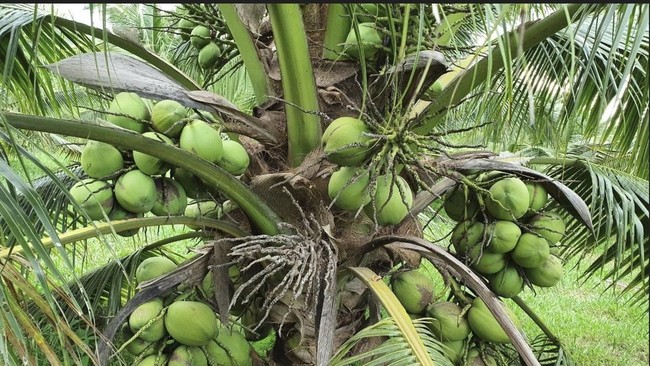
Indonesia has long been known as the land of coconuts. From cooking oil and coconut milk to coir and shell charcoal, nearly every part of the tree holds economic value. However, beyond the mass market lies a more exclusive layer: premium coconut varieties with colours, textures, and distinctive flavours different from common coconuts.
The coconuts commonly found in markets generally come from the Tall Coconut group or the tall tree type in the species Cocos nucifera L. This type grows tall, begins fruiting around six to eight years, and is widely used for copra, coconut oil, and household industrial needs. This is the variety that has long been the backbone of national production.
On the other hand, there is the Dwarf Coconut group, which is shorter in stature and produces fruit more quickly. Some varieties can be harvested in three to four years. This characteristic makes it appealing to farmers due to faster capital turnover, more efficient land use, and suitability for home gardens or coastal areas.
One variety that has garnered much attention is Kelapa Kopyor Cungap Merah (KCM) from Purbalingga. This variety emerged from a long breeding process and is known for its strong visual traits: red sprouts, red root tips, reddish-purple female flowers, and reddish colour on young fronds. This clear physical identity facilitates differentiation in the premium market.
The selling point of KCM does not stop at appearance. Kopyor coconuts are valued for their soft flesh that detaches from the shell due to abnormal endosperm condition. This texture is sought after by the dessert, bakery, ice cream, and premium beverage industries. Some field reports also indicate high productivity, making it attractive for commercial plantations.
Another variety with its own market is Kelapa Wulung, often called red coconut in local traditions. Its fruit husk tends to be reddish, while the water and flesh are believed to have a distinctive taste. In several regions, this type has long been used for traditional consumption and health remedies. Interest from the modern market is growing alongside trends in natural drinks and functional foods.
From a business perspective, premium coconuts operate on a simple logic: unique goods create unique prices. While ordinary coconuts enter the commodity market with thin margins, special varieties can be sold to hotels, restaurants, tourist destinations, the cosmetics industry, and premium hamper markets. Added value comes from the product story, scarcity, and consumption experience.
The challenge lies in supply. Many premium varieties are still scattered in limited areas, lack strong mother gardens, and are not supported by modern post-harvest systems. As a result, demand often outpaces availability. Without a streamlined supply chain, the greatest profits risk remaining with end traders rather than growers.
Indonesia possesses great potential due to its vast coconut genetic wealth. From high-flavoured kopyor to tradition-valued wulung, all remain within the Cocos nucifera family, differing only in cultivars and characteristics. If seeds, cultivation, branding, and distribution are developed seriously, the coconut tree will no longer be just a backyard plant. It could become a new value-adding engine for Indonesian villages.