
From Farmers' Gifts to Eid Hampers: The Long Legacy of a Sharing Tradition
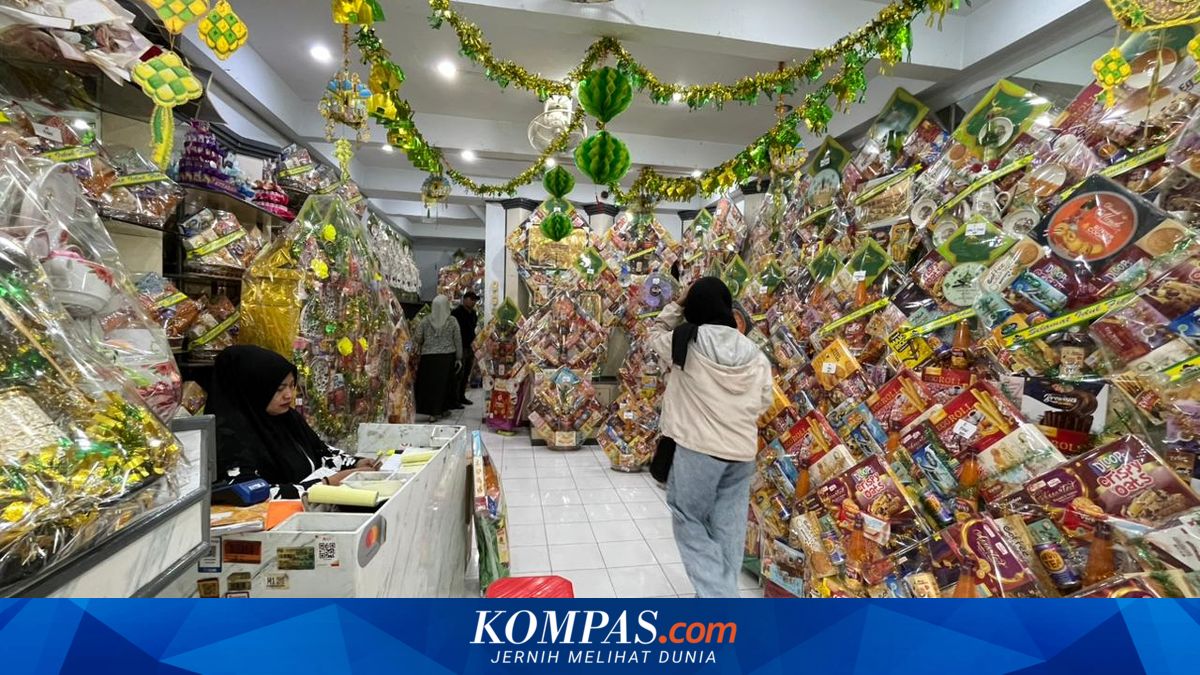
JAKARTA – The Eid season in Indonesia cannot be separated from the tradition of exchanging hampers or gift baskets.
This tradition is believed to stem from the habit of bringing gifts when visiting others. Sigit Rohadi, a sociologist at Universitas Nasional, notes that the custom originally emerged among farmers who would visit city officials bearing agricultural produce. Similarly, during village celebrations or harvests, landowners frequently gave gifts to their farmers.
“Giving hampers or gifts is an Indonesian custom that dates back hundreds of years,” Sigit said when contacted by Kompas.com on Tuesday (10 March 2026).
With modernisation, the gift-giving tradition has persisted for various reasons, including social obligation. People feel uncomfortable visiting without bringing something, so households typically prepare food to give as hampers to guests and relatives.
As society developed, modernisation introduced a new form: commercial hampers given not only during religious holidays but also on occasions such as birthdays, promotions, or graduations. Since the 1970s, the government has supported this tradition by providing Eid bonuses (THR), enabling people to prepare for Eid celebrations, including purchasing hampers.
Shopping centres have capitalised on this moment by offering hampers at various price points. According to Sigit, with cultural commodification, hampers have evolved from a tradition into a commercial product manufactured and sold by numerous companies.
“The meaning of hampers has shifted. They no longer build social bonds, strengthen relationships, or show respect to elders, but instead serve as networks for business and power,” he observed.
Adlan (30), a resident of Menteng, typically purchases one or two hampers a week before Eid to ensure good variety. He notes that hampers containing biscuits, dates, and chocolate are most popular because they appeal to everyone.
“I usually send these hampers to family, close friends, and colleagues. It’s a way to maintain relationships during Eid,” Adlan said whilst at the hamper sales stalls in Cikini.
Similarly, Bachmid (36) orders around ten hamper packages to distribute to relatives. He chooses packages priced around Rp 350,000 for their completeness in both contents and packaging.
“The tradition of sharing hampers has been a family practice for a long time. Now it really has become a trend. If you don’t send hampers to relatives during Eid, something feels missing,” Bachmid remarked.
For him, sending hampers is not merely following a trend but a way of showing care to family members he rarely sees.
Field observations on Monday (9 March 2026) showed the area near Cikini Market lined with seasonal hamper vendor stalls.