
From European Bread to Market Snack: The Little-Known Origins of Galundeng
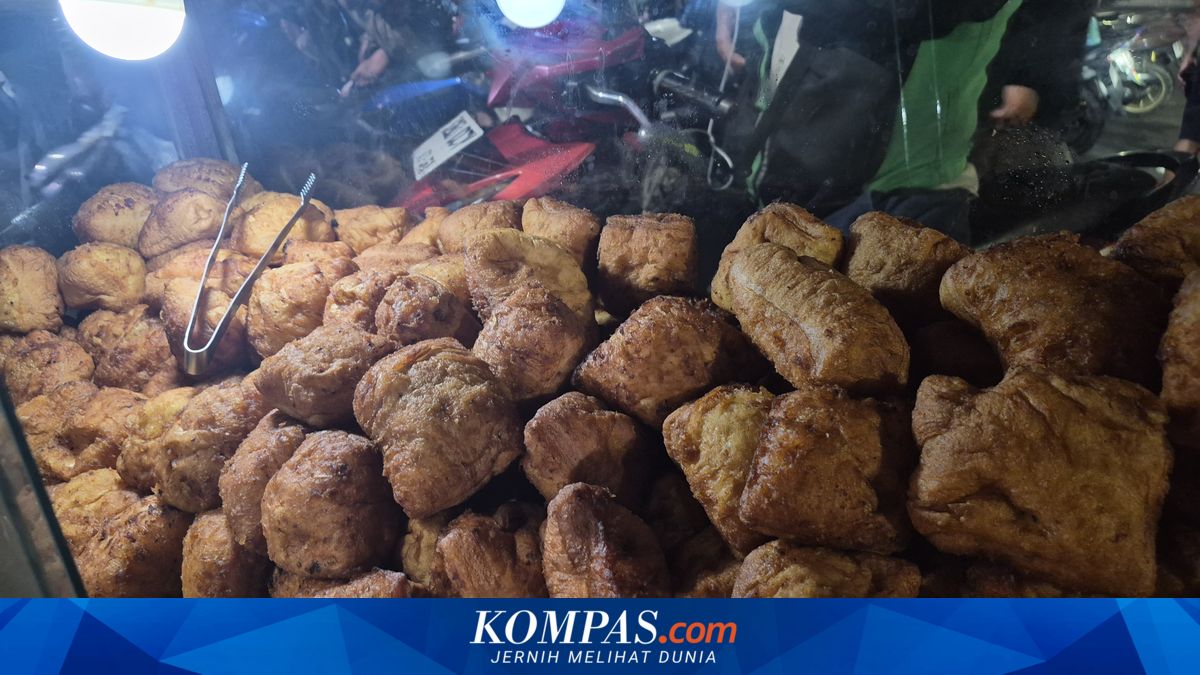
In the midst of rows of modern breads and viral snacks filling the shelves of trendy shops, kue bantal or galundeng remains steadfast in the corners of traditional markets. One such vendor is Suyatno (60) at Pasar Ikan Jatinegara in East Jakarta, who has been preserving this traditional cuisine in the heart of the city for nearly 43 years. “I’ve been selling galundeng since 1983. And it always sells around 350 pieces per day,” he said when met by Kompas.com at the location on Wednesday night (6/5/2026). Its square shape, dense texture, and familiar sweet taste appeal to the Indonesian palate. However, few know that this old-fashioned food carries a long historical trail until it became a traditional market snack in Indonesia. “Galundeng and kue bantal are actually the same food, namely fried sweet bread in a square shape that is soft, but with different names depending on the region,” said anthropologist Imam Setyobudi from the Institut Seni Budaya Indonesia Bandung (ISBI) when contacted by Kompas.com on Wednesday. This cake is more commonly known as galundeng in the Yogyakarta, Purworejo, and Banyumas regions. Meanwhile, in Jakarta, people more often call it kue bantal. In West Java, this cake is more popular as odading. In Central Java and Semarang, people tend to call it bolang baling, while in Solo it is known as gembukan. Then, in the Madiun, Magetan, and surrounding areas, this cake is more known as golang-galing. In Kalimantan, the name of this cake is wadai. Finally, in Medan, this cake is called kue bohong because its inside is hollow or empty. Behind its varied names, the basic ingredients of this cake remain the same: wheat flour dough, sugar, and yeast, fried in plenty of oil so that it puffs up like a pillow and turns brownish. The basic ingredients derived from wheat flour and yeast to make the bread rise are a strong influence from Western or Dutch culture during the colonial period. “In terms of shape and technique, galundeng is similar to oliebollen, the traditional Dutch fried doughnut,” said Imam. Even the name odading, the term for kue bantal in West Java, comes from an anecdote of a Dutch family calling this fried bread with the phrase ‘O, dat ding,’ meaning ‘oh, that thing’.