
From Coal Barges to Conservation: The Fight to Save the Mahakam Dolphin
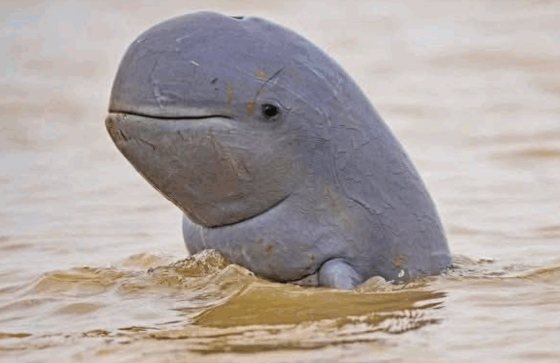
Few people outside East Kalimantan have seen the Mahakam dolphin in the wild. Unlike its ocean cousins, this species lives entirely in freshwater — a rarity. Only a handful of river dolphin species exist worldwide, and their survival often depends on how governments manage inland waterways. In Indonesia, that responsibility now carries urgency.
Freshwater dolphins inhabit murky, slow-moving rivers where boat traffic, fishing gear, and industry overlap. The Mahakam population is especially vulnerable because it shares its habitat with one of Kalimantan’s busiest transport corridors. When biodiversity declines in such ecosystems, the loss affects food chains, fisheries, and water health.
The Mahakam Dolphin as a Barometer of Biodiversity
The Mahakam dolphin is more than a regional symbol. Its survival reflects the condition of the entire river system. River dolphins rely on stable fish stocks, manageable boat traffic, and relatively undisturbed breeding areas. When these factors deteriorate, dolphins often decline first.
Indonesia’s biodiversity record makes the stakes clearer. The country shelters rare species, including the critically endangered Tapanuli orangutan in North Sumatra. In coastal waters, authorities have begun holding ships accountable for coral reef damage. Across marine and inland ecosystems policymakers appear more willing to intervene when environmental pressure rises.
That broader context helps explain why recent steps in the Mahakam River matter.
Emergency Measures Inside the Mahakam River
Recent government actions focus on vessel traffic, particularly coal barges that move along the river. Heavy boats generate underwater noise and increase collision risks in narrow stretches where dolphins surface to breathe. Authorities have introduced tighter navigation oversight in sensitive zones and signaled limits on large ship movements in identified habitats.
Monitoring has also expanded. Local agencies are coordinating more closely with central ministries to supervise river activity. Conservation teams continue population tracking and habitat mapping to guide future restrictions if needed.
The approach does not ban economic use of the river. Instead, it tightens rules around when and how vessels operate. The Mahakam River supports livelihoods and industry, but it also sustains a species found nowhere else.
A Shift in Environmental Governance?
The measures suggest a shift in how Indonesia handles ecological risk. In the past, conservation often followed decline. Now, intervention appears earlier and more targeted. Whether this strategy will stabilize the population remains uncertain, and enforcement will determine the outcome.
Balancing development with biodiversity is never simple. Coal transport, fisheries, and river commerce remain important for regional growth. Yet allowing a freshwater dolphin species to disappear would carry lasting ecological consequences.
From coral reefs threatened by shipping to river systems pressured by traffic, Indonesia faces difficult trade-offs. The current response in East Kalimantan signals a willingness to draw limits… not to halt progress, but to redefine it.
If sustained, these steps could mark more than a rescue effort. They could signal a broader recalibration of how the country protects its natural heritage while managing economic demand.