
From Apologies to Service
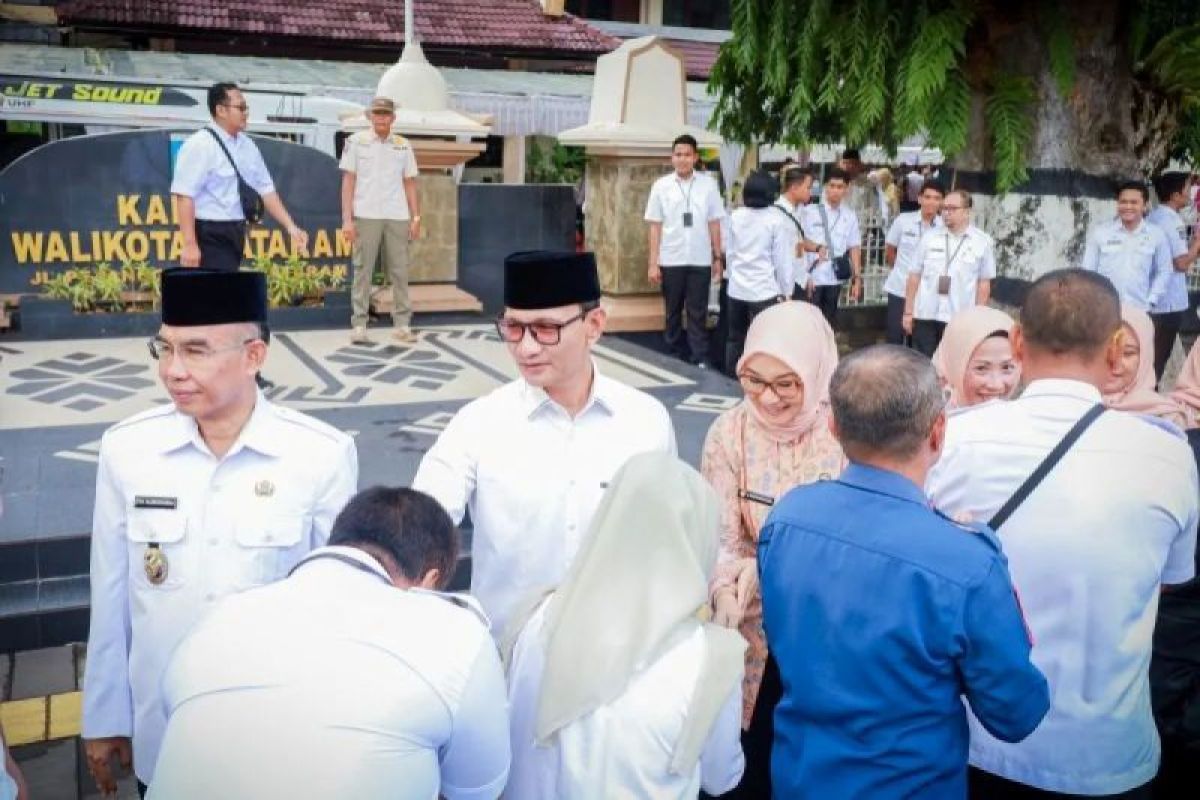
Halal bihalal is not merely a cultural tradition but also a space for renewing bureaucratic morals. It reminds us that public service is not just about procedures but also about intention and integrity. Mataram (ANTARA) - The first morning after the long Eid holiday always has a distinctive atmosphere. In the courtyard of government offices, rows of civil servants (ASN) stand neatly, shaking hands and forgiving each other. Faces that were immersed in familial atmospheres just days before now return to the work rhythm. Yet behind that halal bihalal tradition lies a deeper message beyond the annual ceremony, namely a momentum for reorganising the public service ethos. In West Nusa Tenggara (NTB), that atmosphere is clearly evident. The ASN attendance rate in the city of Mataram reached 99 per cent on the first working day after Eid 2026. This figure is not just a statistic of discipline but also a signal that the bureaucracy still has a strong foundation of commitment. On the other hand, regional heads, from districts to provinces, simultaneously conveyed nearly identical messages on the importance of improving performance, strengthening collaboration, and ensuring that public services are truly felt by the community. In this context, halal bihalal is not merely a space for mutual forgiveness but a turning point. It becomes a kind of new starting line after a long break, where the values of Ramadan are tested in daily work practices. The question is, will that spiritual energy truly be translated into real changes in the bureaucracy? The halal bihalal tradition in the ASN environment often runs warmly and meaningfully. Togetherness is felt, hierarchical barriers melt away, and the atmosphere becomes more humane. However, the biggest challenge lies in how to transform that symbolic atmosphere into substantive policy and work behaviour. The messages conveyed by regional heads in NTB after Eid 2026 show a clear direction. Public services should no longer be measured solely by internal reports but by public satisfaction. This is an important shift. So far, the bureaucracy has often been trapped in neat administrative indicators on paper, but not necessarily felt directly by citizens. In this context, criticism of the bureaucracy is not new. Slow services, sectoral egos between regional device organisations, and lack of innovation remain notes. Halal bihalal should be a moment of reflection to honestly unravel these problems. In West Sumbawa, for example, the emphasis on the importance of avoiding sectoral egos shows that coordination between regional device organisations (OPD) is still homework. Government programmes often run partially, as if belonging to one agency, whereas their impact is cross-sectoral. When one unit works independently, it is the community that ultimately feels the inefficiency.