
Friday WFH: An Opportunity for Slow Living or a New Burden for Civil Servants? What Those Experiencing It Say
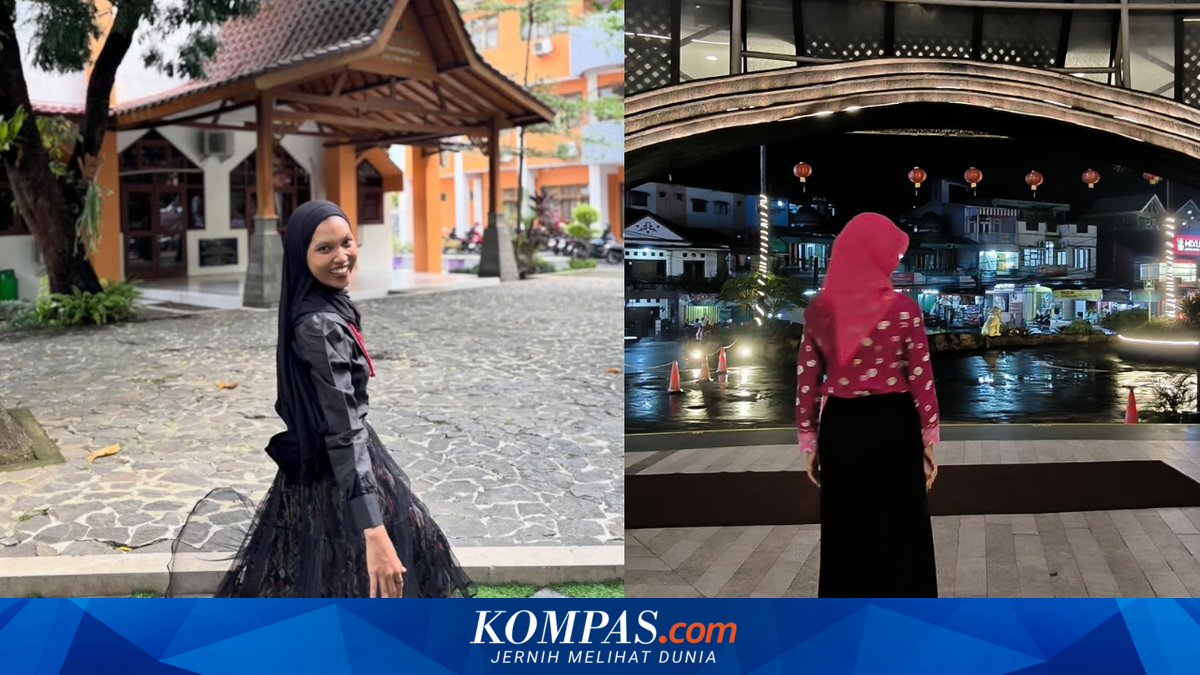
The Work From Home (WFH) policy every Friday for civil servants (ASN), effective from April 2026, is promoted as a measure to improve budget efficiency, including energy savings. However, behind this objective, the policy has elicited varied responses in the public sphere. Many have linked it to the slow living trend, a lifestyle that is slower, more balanced, and with reduced mobility pressures. So, is Friday WFH truly an opportunity for slow living for ASN, or does it instead bring new burdens, particularly for working mothers? Kompas.com spoke with two working ASN mothers who are now incorporating this scheme into their daily routines. Although their experiences differ. Farika Maula (31), a lecturer at a state Islamic university in Yogyakarta, admits she does not feel WFH as a significant change in her work rhythm. “On Fridays, I have two classes, sometimes even going to the field. So what is WFH? It’s not (always) in my dictionary,” she told Kompas.com on Monday (5/5/2026). But on the other hand, she believes working from home presents its own challenges. Home is not always a conducive workspace due to various simultaneous distractions. “The intention is to work, but working from home is not always conducive. The distractions are not just childcare, but also domestic tasks like washing, cleaning, up to the urge to lounge around,” she said. Online meetings are often interrupted by sudden child needs, from eating to seeking attention. “It clearly disrupts work, yes. But as mothers, it’s too cruel not to give attention to the children. So, it’s like juggling childcare while drinking water,” she explained. Nevertheless, she feels a difference when working in the office. “WFO for me is actually like healing. I can focus, meet people, develop myself, and have clear boundaries between work and home,” she said. A similar story comes from Arisha (31), an ASN at a central ministry agency with two young children.