
Fresh Breeze Amid RAM Crisis: Signs of Price Drops Emerge
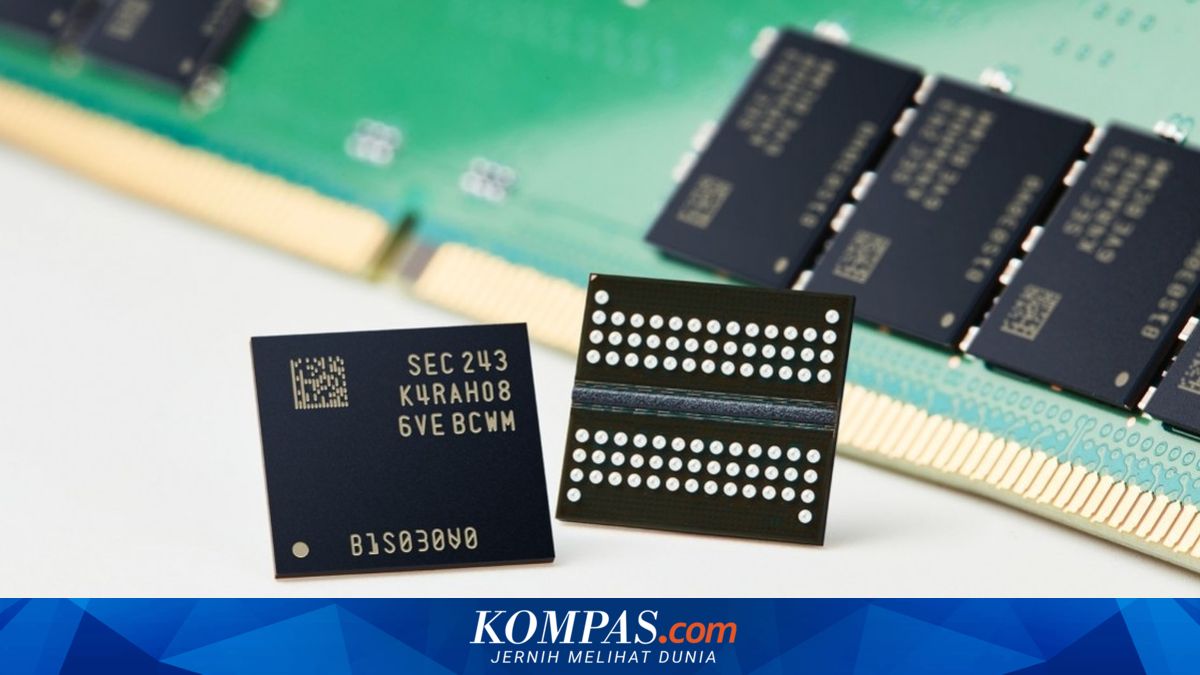
There is encouraging news amid the memory crisis that has caused RAM prices to soar in the market. DDR5 memory prices are once again showing signs of decline, at least in some regions like China, by the end of April. This drop does not yet appear uniform globally, but it provides sufficient hope for PC users, gamers, and computer assemblers who have been affected by the high prices of components. The latest reports from the Bamboo Curtain country indicate that prices for 16GB DDR5 SO-DIMM modules (fifth-generation RAM designed specifically for laptops, mini PCs, and compact devices) have fallen quite significantly. This marks the second report of declines this month. Previously, in mid-April, prices for some 32GB DDR5 memory kits on the Chinese exchange were also reported to have plummeted by up to 30 per cent. Meanwhile, 8GB and 16GB DDR4 modules dropped sharply by up to 25 per cent. Nevertheless, looking back, current RAM prices are still considered high. During the same period last year, similar modules were priced at around 246 yuan, or approximately Rp600,000. This means that, despite the decline, current DDR5 prices are still nearly five times more expensive than pre-crisis normal conditions. This situation indicates that the memory market has not yet fully stabilised. RAM prices over the past few months have indeed been highly volatile. At one point they may drop, but within weeks they rise again. A similar phenomenon was also seen in the European market. DDR5 prices experienced a decline in March but rose again in April. Overall, memory prices are still holding at levels 4 to 5 times higher than before the major surge occurred. RAM itself is an essential component in devices such as laptops and PCs. RAM, or Random Access Memory, functions as “temporary memory” to store data currently in use, allowing devices to run applications smoothly. The larger the RAM capacity, the better the multitasking performance usually is. The surge in RAM prices is inseparable from the high demand from the artificial intelligence (AI) industry. Memory manufacturers are now allocating more supply to the needs of large-scale data centres, making the supply for the consumer market more limited.