
Frequent Fatalities Make Railway Crossings High-Risk Points
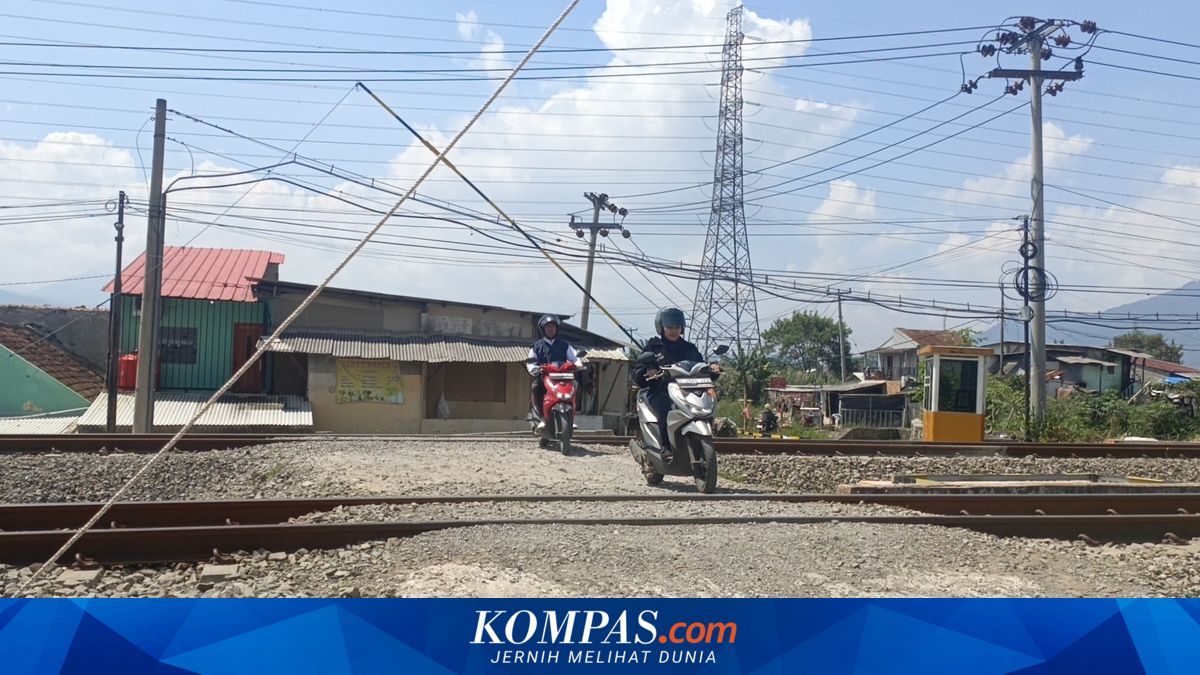
Accidents at level crossings have once again captured public attention, including the incident involving a taxi and a train in Bekasi some time ago. This event underscores that the meeting point between roads and railway tracks is not merely an ordinary intersection but a high-risk area demanding extra vigilance from every driver. Transportation observer Djoko Setijowarno assesses that accidents at level crossings are not solely a railway issue but part of broader road traffic accidents. Moreover, many level crossings in Indonesia remain unequipped with barriers or guarding personnel. In such conditions, there is no active system to stop vehicles when a train is passing. This situation makes driver discipline the last line of safety defence that cannot be compromised. However, conditions in the field often show the opposite. Not a few drivers continue to proceed even when the space ahead is not fully clear, or stop right on the tracks during queues. This habit is often taken lightly, yet it has fatal potential if the vehicle cannot move promptly when a train arrives. Djoko emphasises that level crossings become hazardous points due to the combination of infrastructure limitations and low road user awareness. He even describes this phenomenon as “arisan nyawa”, illustrating the risk of accidents that can happen at any time. “The issue is how much this country cares about safety. Yet every day around 70 to 80 people die on the roads,” he said. This figure aligns with national traffic accident data showing tens of thousands of fatalities each year. In the context of driving, the basic principle to hold onto is actually simple: ensure the path is completely safe before crossing, and never enter the rail area if there is not enough space to exit fully. Drivers are also required to be more sensitive to surrounding signs, such as train horns or rail vibrations indicating an approaching train. Ultimately, safety at level crossings does not solely depend on the presence or absence of barriers. Without driver discipline, the risks will persist.