
Frequent Accidents: Who is Responsible for Level Crossings?
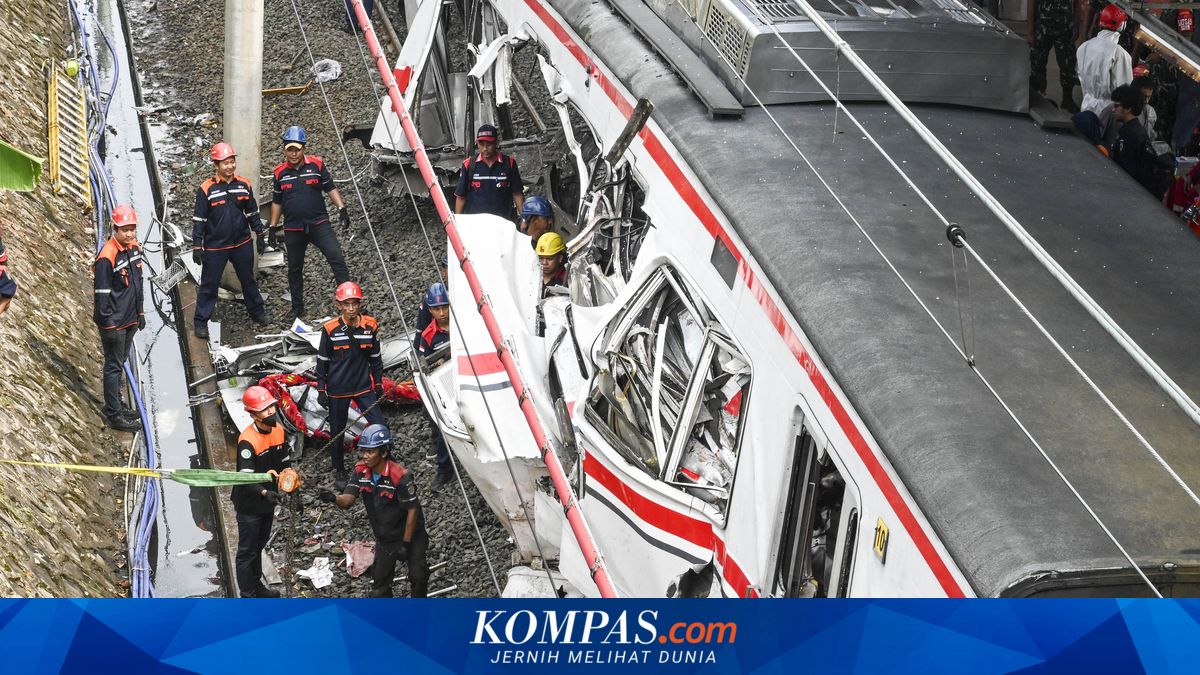
Level crossings between roads and railway tracks frequently become accident-prone spots in various regions. A level crossing is the intersection point between a railway line and a road, footpath, or runway located on the same ground level. Most recently, a stalled electric taxi on a level crossing near Bekasi Timur Station in Bekasi, West Java, became the initial cause of an accident that claimed lives. The accident began when the electric taxi broke down on the level crossing. The vehicle, positioned across the tracks, was then hit by a KRL train travelling from Cikarang towards Jakarta. As a result of the first accident, a KRL coming from the opposite direction, heading from Jakarta to Cikarang, was forced to stop at Bekasi Timur Station. In Indonesian law, the division of responsibility for level crossings is clearly regulated. Referring to Law No. 23 of 2007 on Railways and Ministry of Transportation Regulation No. 94 of 2018, responsibility for level crossings fundamentally lies with the road owner. Road owners are divided into two categories: central government or local government, whether at district or provincial level, depending on the road’s status. The owner of the level crossing road, whether central or local government, can close the crossing if it lacks permission. “The closure of the level crossing as referred to in paragraph (1) shall be carried out by the Government or Regional Government,” states Article 94 paragraph (2). The regulation explains that each level of government has its respective authority: The railway operator company, namely PT Kereta Api Indonesia (Persero), has a different responsibility. Its role is limited to train operations and maintenance of railway facilities and infrastructure, including track construction. This means PT KAI is not responsible for the construction or maintenance of roads at crossings, including the installation of gates or guarding the crossings. In addition to the government and railway operator, road users also play an important role in safety at level crossings. This is regulated in Law No. 22 of 2009 on Road Traffic and Transportation, particularly Article 114. The regulation emphasises that every road user is obliged to: Compliance with these rules is the primary key in preventing accidents.