
Freeport Boss Reveals Draft Divestment Agreement for 12% Stake Submitted to Government
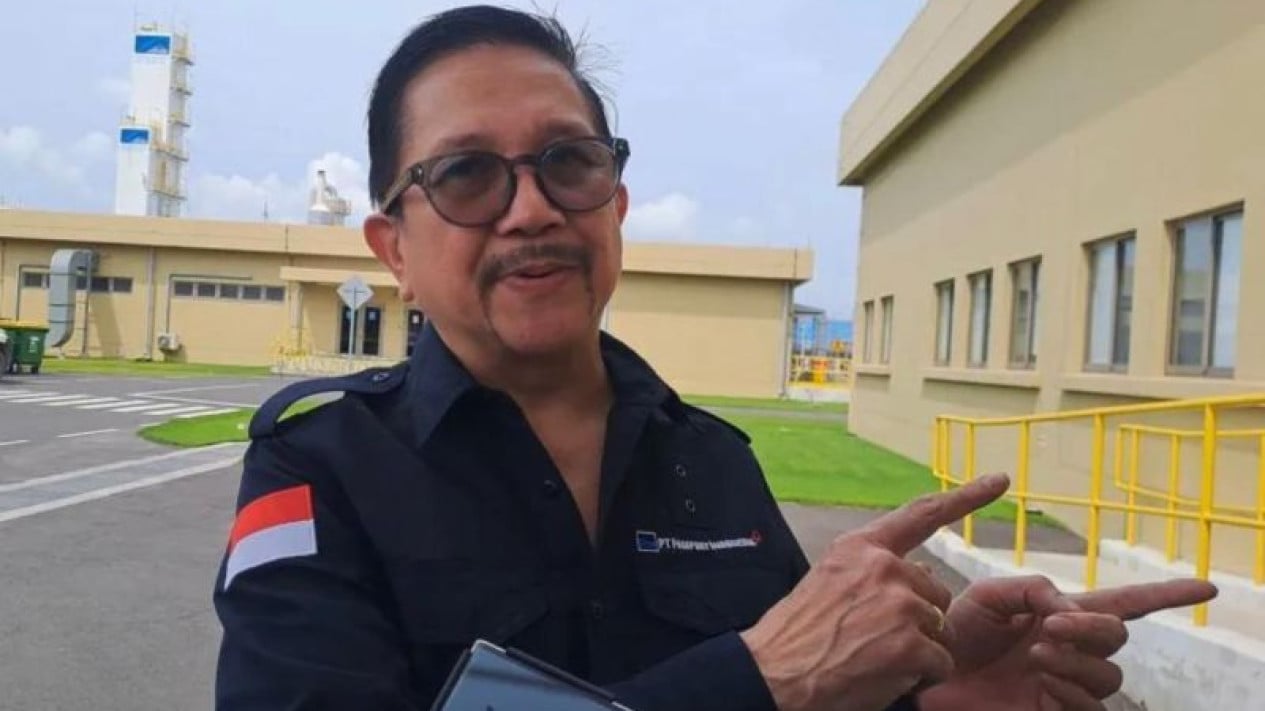
President Director of PT Freeport Indonesia (PTFI) Tony Wenas has revealed that the company has submitted a draft divestment agreement for a 12 percent stake to the government as part of the extension of its Special Mining Business Permit (IUPK). Tony explained that the share transfer agreement must be signed before the issuance of the IUPK extension, which will take effect in 2041. “We have submitted the draft to the government,” Tony said after a memorandum of understanding signing event in Jakarta on Wednesday evening, 17 June 2026. The transfer of Freeport-McMoRan Inc.’s (FCX) 12 percent ownership in PTFI to the government is stipulated in the MoU concerning the IUPK extension for the Grasberg mine in Central Papua. This draft divestment agreement is a follow-up to that MoU. “One of the conditions for issuing the IUPK is the signing of the share transfer before 2041. It hasn’t been signed yet, it’s still in process,” Tony stated. The MoU on the IUPK extension was signed by Minister of Investment and Downstreaming/Head of BKPM Rosan Pereslani, President & CEO of Freeport-McMoRan Kathleen Quirk, and President Director of PT Freeport Indonesia Tony Wenas at the U.S. Chamber of Commerce building in Washington DC on Wednesday (18/2). Through the MoU, the government, FCX and PTFI agreed on six points: the IUPK will be amended to provide an extension of operating rights for the life of the reserves; PTFI will increase its support for communities in Papua, including funding for the construction of a new hospital and two medical education facilities; PTFI will increase exploration spending and accelerate studies to identify and develop long-term resources and expansion opportunities; and PTFI will continue to prioritise domestic downstream processing through the domestic sale of processed copper, precious metals, sulphuric acid, and other products. Additionally, PTFI will have the flexibility to expand marketing of processed copper to the United States based on market mechanisms should the US require additional copper supply.