
Free Nutritious Meal Programme Creates Economic Impact and Strengthens Nutrition for Group 3B
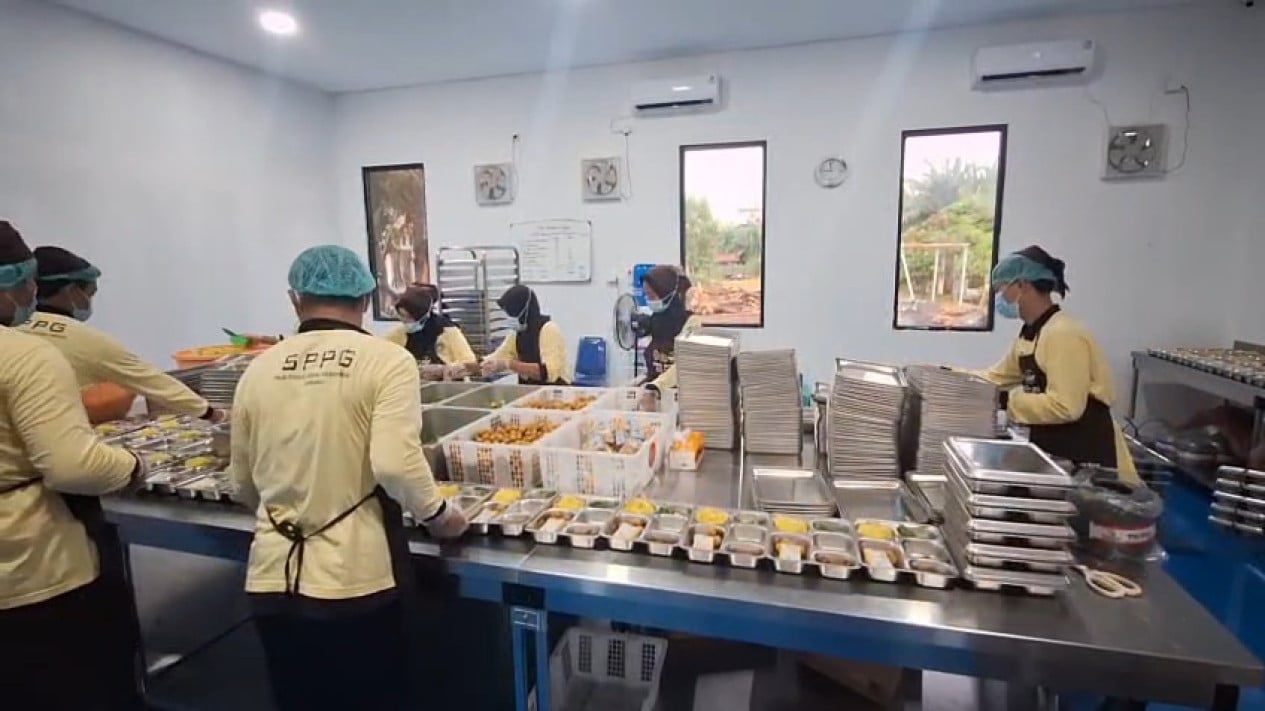
Senior Lecturer in Social Welfare Science at the Faculty of Social and Political Sciences, University of Indonesia, Fentiny Nugroho stated that the Free Nutritious Meal Programme (MBG) serves not only to improve public nutrition quality, but also generates economic benefits for beneficiary families and communities surrounding programme implementation.
The research was presented at a research seminar titled “MBG Study: Impact on Family Income and Expenditure” held during the Faculty of Social and Political Sciences’ 58th anniversary celebration at the Juwono Sudarsono Auditorium in Depok.
The research examined how the MBG programme influences household economic dynamics, including both income and expenditure patterns of beneficiary families.
The study, led by Fentiny, involved a research team comprising Annisah, Anna Sakreti Nawangsari, Arif Wibowo and Shinta Tris Irawati.
According to Fentiny, research findings demonstrate that the Nutritional Service Unit (SPPG) as the implementing body of the MBG programme delivers considerable economic impact for surrounding communities.
“Each Nutritional Service Unit can mobilise funds of 10–12 billion rupiah annually. Eighty-five per cent of the budget is used to purchase raw materials from local farmers. Each SPPG employs approximately 50 people and involves dozens of farmers and suppliers,” Fentiny stated in a written statement on Monday, 16 March 2026.
Beyond creating employment opportunities, the research also found that the MBG programme provides additional income sources for volunteers involved in SPPG operations. They receive daily wages considered significant for household economic conditions.
“They expressed satisfaction at now having relatively stable daily incomes, ranging from 100,000 to 125,000 rupiah,” he explained.
Another finding from the research showed reduced household expenditure for some beneficiary families, particularly regarding food needs.
A similar view was expressed by Senior Lecturer in Economics at Muhammadiyah University Yogyakarta, Imamudin Yuliadi, who assessed that the MBG programme has potential as a strategic instrument for strengthening food security whilst promoting regional economic self-reliance.
“The MBG programme can serve as a strategic instrument not only in improving public nutrition quality, but also in building food security and strengthening regional economic self-reliance,” Imamudin said.