
Free cleft lip surgeries to curb cases in Indonesia
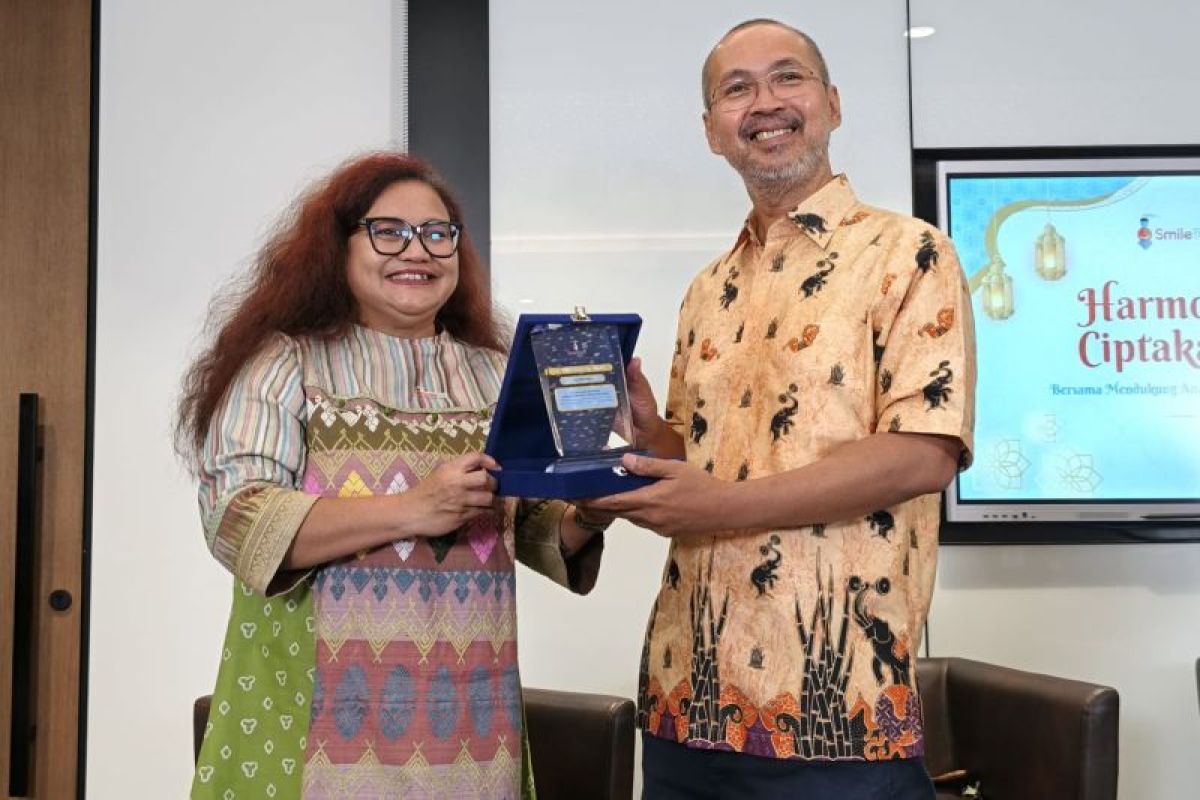
Jakarta (ANTARA) - The free cleft lip surgery programme continues to be intensified in Indonesia as part of efforts to reduce the high incidence of congenital abnormalities that place Indonesia among the top globally. The programme is run by Smile Train Indonesia in partnership with Dentons HPRP.
“Indeed, cleft lip is a common case in Indonesia. After China and India, Indonesia is quite high. With an incidence rate of 1 in 700 births, there are many cases each year,” said plastic surgeon Dr. Yantoko Sp.BP-RE at Harmoni Ramadan, Ciptakan Senyuman in Jakarta.
Country Manager Smile Train Indonesia Deasy Larasati said since 2002 they have supported around 7,000 free surgeries each year and in the near future the number will reach nearly 200,000 surgeries across Indonesia.
She explained that cleft lip surgery generally lasts about 45 minutes with strict safety standards. Early treatment, she said, is important to prevent difficulties in eating, speech, and the psychological impact on children.
“Smile Train not only focuses on surgery but also provides support which we call life comprehensive care, namely ongoing accompaniment for patients,” Deasy said.
The programme is run through collaboration with Dentons HPRP to broaden reach and strengthen socialisation, including reaching people in remote areas through networks of healthcare workers and local government units.
“We know this is needed and actually the process is not difficult. The important thing is socialisation and building trust that Smile Train really is 100 percent free, with no costs at all,” said Dentons HPRP Partner Andre Rahadian.
Dr. Yantoko stressed that all services are provided to patients at no charge. “From entry to exit, it must be zero,” he said.
Through this collaboration, the free surgery programme is expected to reach more children in various regions of Indonesia, especially in areas with limited access to information and health services, enabling treatment as early as possible to prevent long-term impacts.