
Free and Active or Free to Be Passed Over?
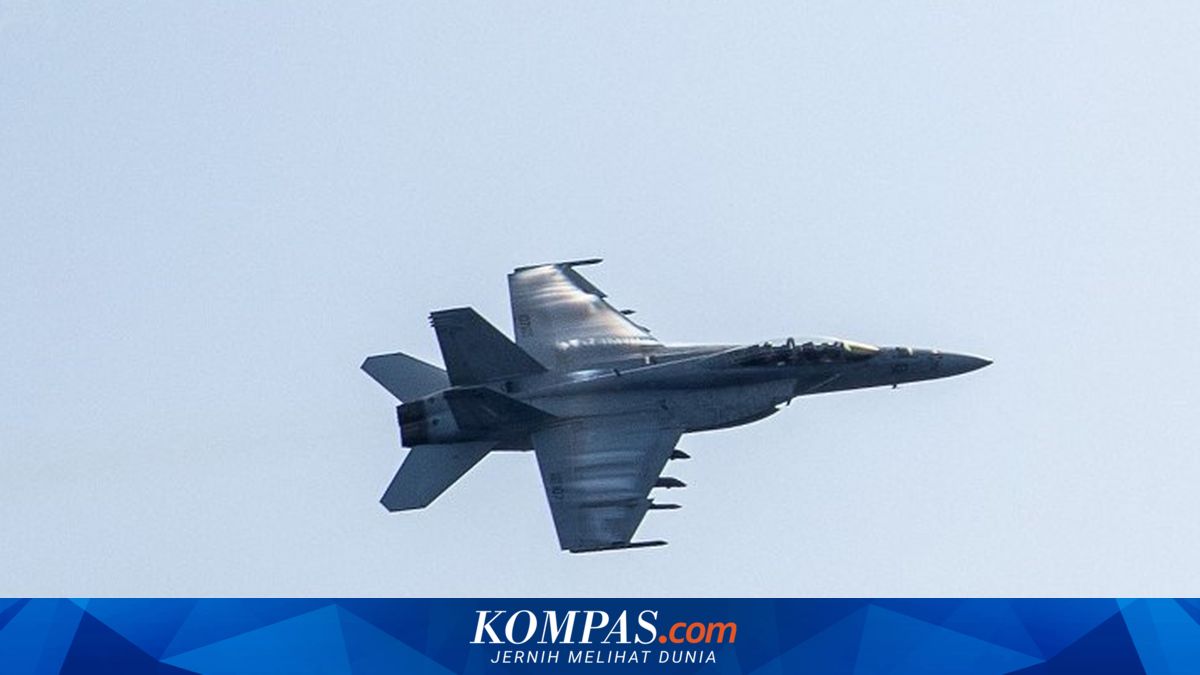
News regarding plans to grant airspace access to US military aircraft through Indonesian airspace has triggered broad debate on the direction of Indonesia’s foreign policy. This issue may appear technical on the surface, but such an interpretation is overly simplistic. Military transit access for a superpower always carries geopolitical implications that touch on the core of how Indonesia positions itself amid global power rivalries. Since the dawn of independence, the free and active policy was designed by Mohammad Hatta as a survival strategy for a newly independent nation amid the rivalries of the world’s major blocs. Indonesia does not wish to become a satellite of any power. This choice is not a passive stance, but rather one that provides space for Indonesia to forge broad relations without being bound to the military interests of great powers. The Bandung Principles affirm the principle of mutual respect for sovereignty and rejection of pressure from major powers. Participating nations understood that involvement in the military orbit of great powers always ends in the erosion of political sovereignty. This principle does not mean closing off relations with major countries. Indonesia continues to engage in military, economic, and diplomatic cooperation with many parties. The free and active policy allows all such relations to proceed simultaneously without making Indonesia part of any nation’s military architecture. The latest debate arose after reports on the proposal for US military airspace transit circulated in international media. The proposal includes airspace access for US military aircraft in various operations. Such a scheme is not merely routine military flight permission, as airspace routes determine the speed of troop mobilisation and long-range operational capabilities. Indonesia’s geographical position makes this issue even more sensitive. The Indonesian archipelago lies between two vast oceans and at the intersection of various strategic global routes. This position gives it extremely high geopolitical value to any nation seeking to connect military operations in the Pacific and Indian Ocean regions. Such access could alter perceptions of Indonesia’s position within the regional security architecture. Countries that provide military mobility routes to great powers are often viewed as part of their operational network.