
Four Percent of Indonesian Women Experience Intimate Health Disorders; Experts Urge Breaking the Taboo on Medical Check-ups
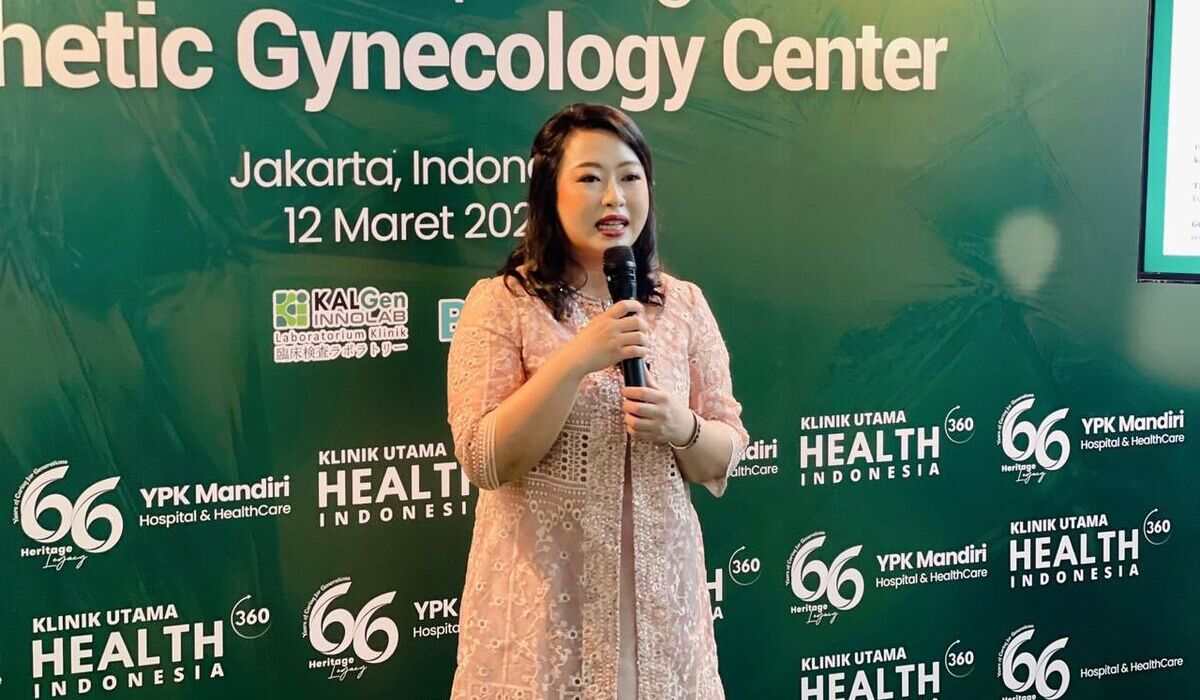
Intimate health issues among women remain a rarely discussed topic in Indonesian society, despite their significant impact on comfort, self-confidence, and overall quality of life. Data from March 2026 reveals that approximately four percent of Indonesian women experience intimate health disorders requiring medical attention. Given Indonesia’s large female population, this figure represents millions of women potentially facing such issues.
Many intimate health complaints go untreated due to social stigma and cultural taboos that prevent women from discussing these matters openly, even with healthcare professionals. Dr Ni Komang Yeni Dhana Sari, founder of Health360 Indonesia and an obstetric and gynaecologist, emphasises that women’s health must be understood comprehensively. Women’s complaints often do not occur in isolation but relate to overall bodily conditions.
“Women’s health can no longer be viewed separately across medical, aesthetic, and psychological aspects. Healthcare services must therefore present a more comprehensive approach focused on women’s needs throughout their life phases,” said Dr Yeni.
Throughout their life cycles, women experience various bodily changes, from reproductive years through pregnancy, postpartum, and into ageing. These changes are accompanied by hormonal fluctuations affecting broad bodily functions.
Internal health conditions in women are often reflected in skin health. Dr Maria Clarissa Wiraputranto, a dermatologist, venereologist, and aesthetic specialist, explains that skin is closely linked to hormonal changes. “Skin has receptors for hormones such as oestrogen, progesterone, and androgen. Skin condition often reflects the hormonal and reproductive health of women,” explained Dr Maria.
Mental wellbeing through brain wellness is equally important. Dr Alifa Dimanti, a neurologist, explains that the brain regulates emotion, memory, and sleep patterns. “In modern life filled with pressure, many women face prolonged stress and complex role burdens. This ultimately affects brain health and emotional wellbeing,” said Dr Alifa.
Experts agree that an integrated healthcare approach combining gynaecology, dermatology, and neurology is key for women to understand their bodies holistically. With increased awareness, it is hoped that no woman will feel uncomfortable seeking medical solutions for a healthier and more confident life.