
Former Thai PM Thaksin Released from Prison Early, Here's Why
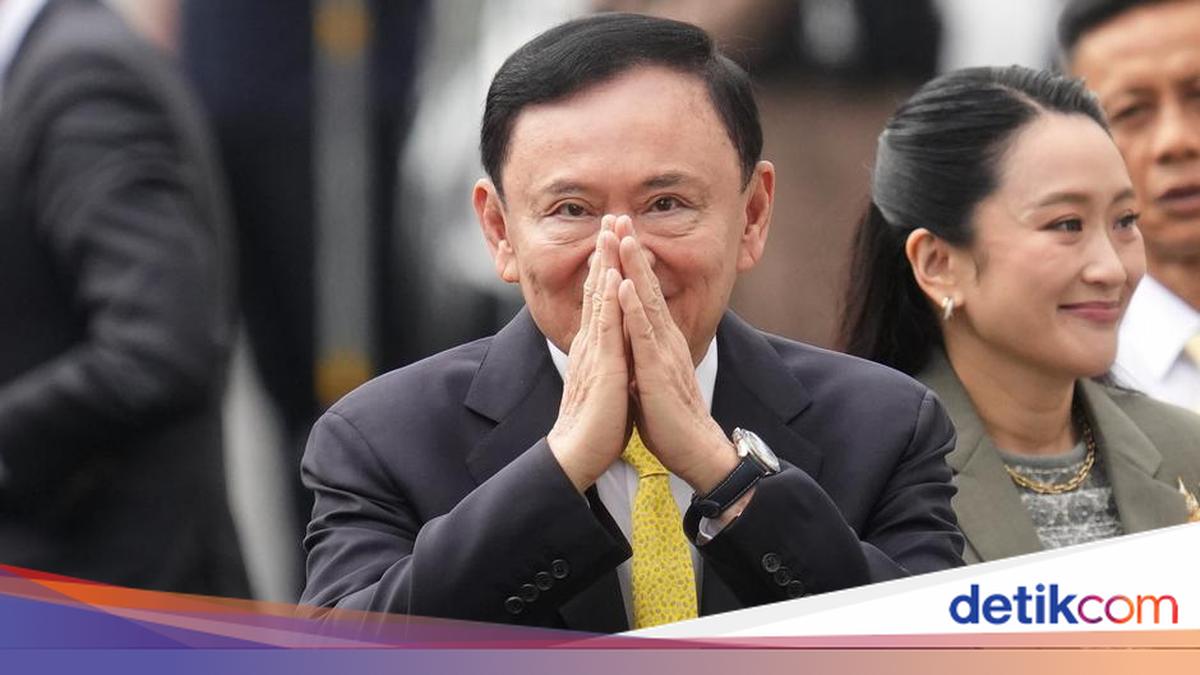
Shinawatra, aged 76, will leave prison on 11 May and “must comply with all requirements” until his probation period ends, including wearing an electronic monitoring device, the statement said. His age and the fact that he has less than a year left on his sentence are the reasons for the early release, the statement added. Why was Shinawatra imprisoned? Shinawatra began serving his sentence on 9 September 2025 at Klong Prem Central Prison in Bangkok. The sentence followed a court hearing that examined whether officials had mishandled his return to Thailand in 2023, after he had spent years in exile. Shinawatra was ousted from his position as prime minister in a military coup in 2006. He fled Thailand in 2008 when facing a prison sentence for conflict of interest, abuse of power, and corruption charges during his government tenure. Shinawatra, also a billionaire businessman, stated that the charges were politically motivated. He was sentenced to eight years in prison immediately upon returning to Thailand in 2023. A few days later, the king reduced his sentence to one year, sparking speculation that he had made a deal with the sympathetic government. Thailand is a constitutional monarchy, which gives the king ultimate authority in granting pardons to convicts. Thaksin’s Influence in Thai Politics The influence of Thaksin Shinawatra in Thai politics has remained significant over the past two decades, particularly through his family network and party. The Shinawatra clan has consistently been the main challenger to the pro-military and pro-monarchy elite group, which views their populist approach as a threat to the traditional social order. Through the Pheu Thai Party and its predecessors, Thaksin’s camp has recorded electoral dominance in Thailand in the 21st century. The Shinawatra family has even produced four prime ministers, with strong support bases mainly from rural communities. However, recent political dynamics show weakening. In the February election, Pheu Thai recorded its worst result by dropping to third place, raising questions about the sustainability of the political machine that has long been the backbone of Thaksin’s influence. Nevertheless, opportunities for resurgence remain open. Pheu Thai’s involvement in a coalition government led by conservative Prime Minister Anutin Charnvirakul indicates strategic repositioning. “Bhumjaithai and Pheu Thai will look to the future. We agree that both our parties have people with sufficient capability to lead Thailand towards a stable and sustainable future,” Anutin said at a press conference in February 2026. Within the cabinet, the presence of family figures is still evident. Yodchanan Wongsawat, Thaksin’s nephew who was previously a prime ministerial candidate from Pheu Thai, now serves as Minister of Higher Education, reinforcing indications that the Shinawatra family’s political influence continues, albeit in a different power configuration.