
Former Supreme Court Secretary Nurhadi Ordered to Pay Rp 137.1 Billion in Gratuity-Money Laundering Case
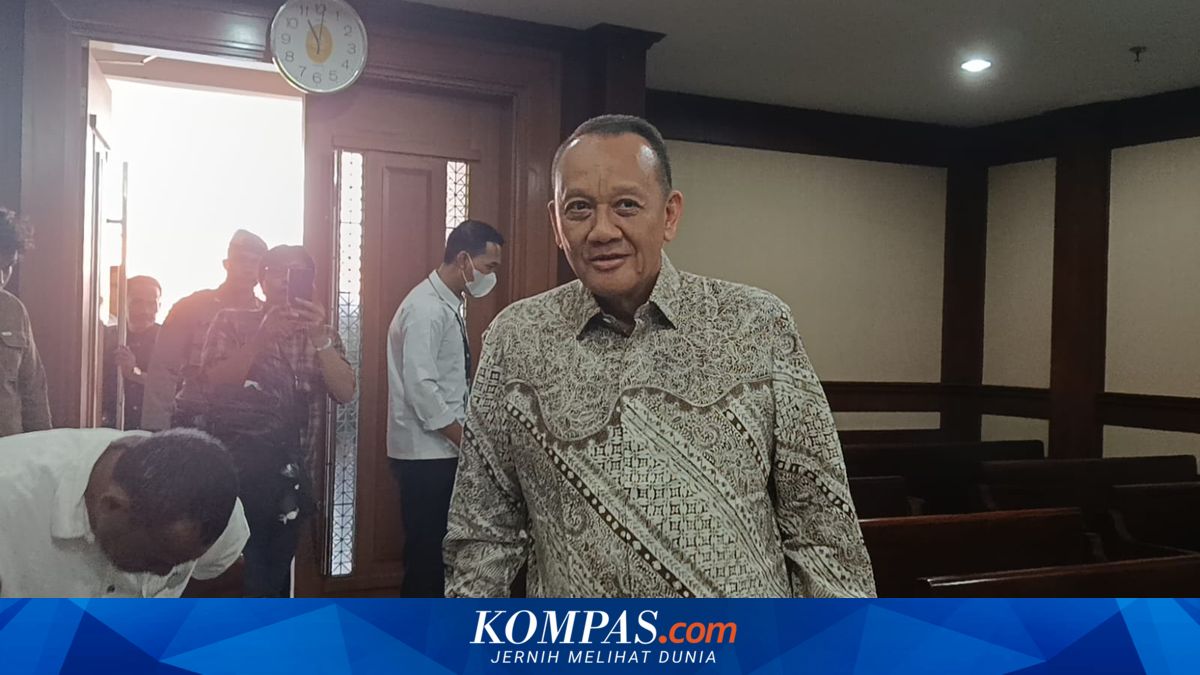
JAKARTA, KOMPAS.com - Former Supreme Court (MA) Secretary Nurhadi has been ordered to pay restitution amounting to Rp 137.1 billion after being found guilty of receiving gratuities and committing money laundering (TPPU).
“Imposing an additional penalty of restitution payment of Rp 137.1 billion, subsidiary to three years’ imprisonment,” stated Chief Judge Fajar Kusuma Aji while reading the verdict at the Jakarta Corruption Court, Wednesday (1/4/2026).
Meanwhile, for the principal sentence, Nurhadi was sentenced to five years in prison with a fine of Rp 500 million, subsidiary to 140 days in prison.
“Having adjudicated, imposing a prison sentence of five years on the defendant with a fine of Rp 500 million, subsidiary to 140 days in prison,” said Chief Judge Fajar.
Nurhadi is believed to have received gratuities totalling Rp 137.1 billion from parties involved in cases within the court environment, both at the first instance, appeal, cassation, and judicial review levels.
These gratuities were received by Nurhadi through accounts in the name of his son-in-law, Rezky Herbiyono, and several other names, including Calvin Pratama, Soepriyo Waskita Adi, and Yoga Dwi Hartiar.
The gratuities were received from several parties, namely the owner of PT Sukses Abadi Bersama, Hindria Kusuma; the Commissioner of PT Matahari Kahuripan Indonesia (deceased) Bambang Harto Tjahjono; as well as PT Sukses Abadi Bersama, which between 22 July 2013 and 24 November 2014 provided funds amounting to Rp 11.03 billion.
The judges are convinced that the Rp 11.03 billion constitutes a gratuity because it was not reported to the Corruption Eradication Commission (KPK) within at most 30 days after receipt.
The panel of judges rejected the defence’s argument that the flow of funds was an action by Rezky, not Nurhadi.
The judges assessed that Nurhadi and Rezky have a strong relationship that is difficult to refute.
“It is difficult to say that the receipt of money by Rezky Herbiyono was not for the benefit of the defendant or at least for their joint benefit,” said Judge Sigit.
This is because Nurhadi and Rezky live together, so the gratuities received could have been used for Nurhadi’s personal interests or joint interests.
“There is much indicative evidence pointing to the money being for the defendant’s benefit or at least for their joint benefit, including that the defendant lives in the same house as Rezky Herbiyono,” said Judge Sigit.