
Former PT PPI Director Charles Sitorus Files Review in Thomas Lembong Sugar Case
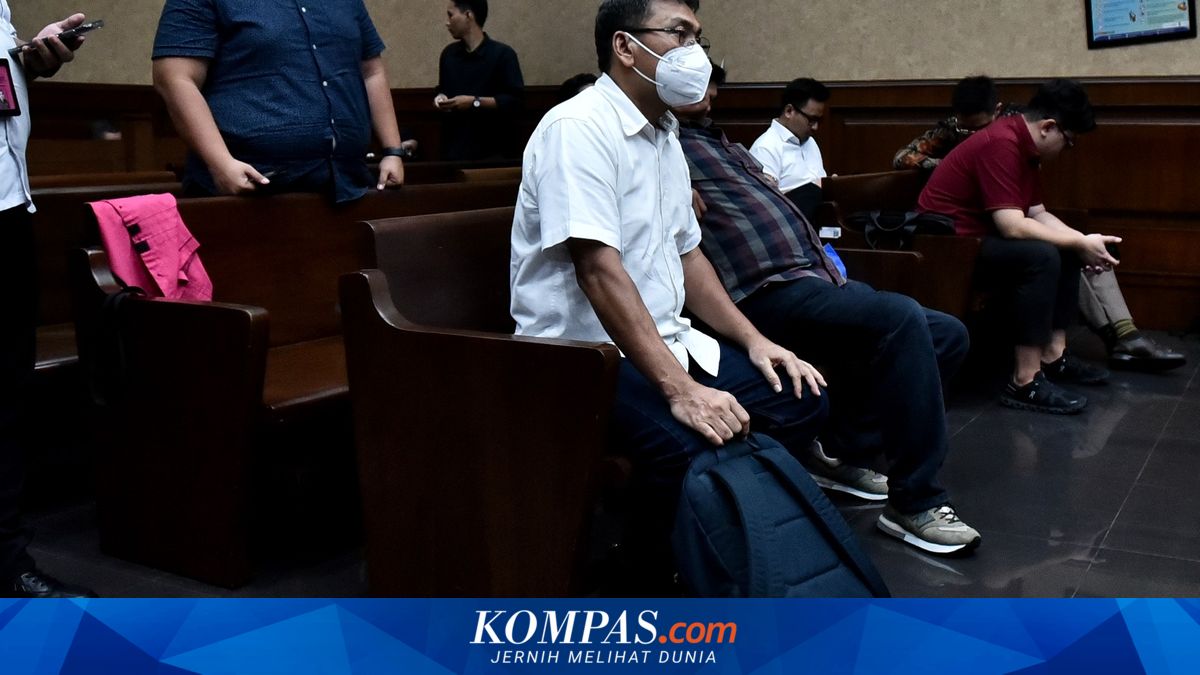
Jakarta - Former Director of PT Perusahaan Perdagangan Indonesia (PT PPI) Charles Sitorus has filed a judicial review (PK) with the Supreme Court (MA) in the sugar import case at the Ministry of Trade (Kemendag) during the tenure of Trade Minister Thomas Trikasih Lembong.
The application was filed on Tuesday, 10 February 2026. The petitioner is Charles Sitorus (defendant), as quoted from the official website of the Central Jakarta District Court Case Search Information System on Sunday (6/4/2026).
Previously, he did not take the legal step of cassation after being sentenced to four years in prison at the first instance.
Charles was imprisoned in Salemba Penitentiary since Thursday, 18 September 2025.
In addition to Charles, several parties were involved in this case, including Tom Lembong.
During the first-instance court proceedings, Tom was first found guilty and sentenced to 4.5 years in prison with a fine of Rp 750 million subsidiary six months in prison.
Meanwhile, Charles and nine private sugar entrepreneurs were still found guilty and sentenced to prison.
They were deemed to have violated Article 2 paragraph 1 in conjunction with Article 18 of the Corruption Eradication Law in conjunction with Article 55 paragraph 1 (1) of the Criminal Code.
These entrepreneurs were all sentenced to four years in prison and a fine of Rp 200 million subsidiary four months in prison.
The reading of the verdict for the private parties was divided over two days.
One day later, the judge read the verdict for the President Director of PT Angels Products, Tony Wijaya; President Director of PT Permata Dunia Sukses Utama, Eka Sapanca; Director of PT Duta Sugar International, Hendrogianto Antonio Tiwon; President Director of PT Berkah Manis Makmur, Hans Falita Hutama; and President Director of PT Makassar Tene, Then Surianto Eka Prasetyo.
In addition to prison sentences, these entrepreneurs were also ordered to pay restitution.
Long before the verdict was read, these entrepreneurs had deposited money equivalent to the restitution amount with the Attorney General’s Office.
This deposited money was then confiscated and considered as payment of the restitution.