
Former KPK Commissioner Confident Attorney General's Office Will Thoroughly Investigate Aseng Mining Corruption Case
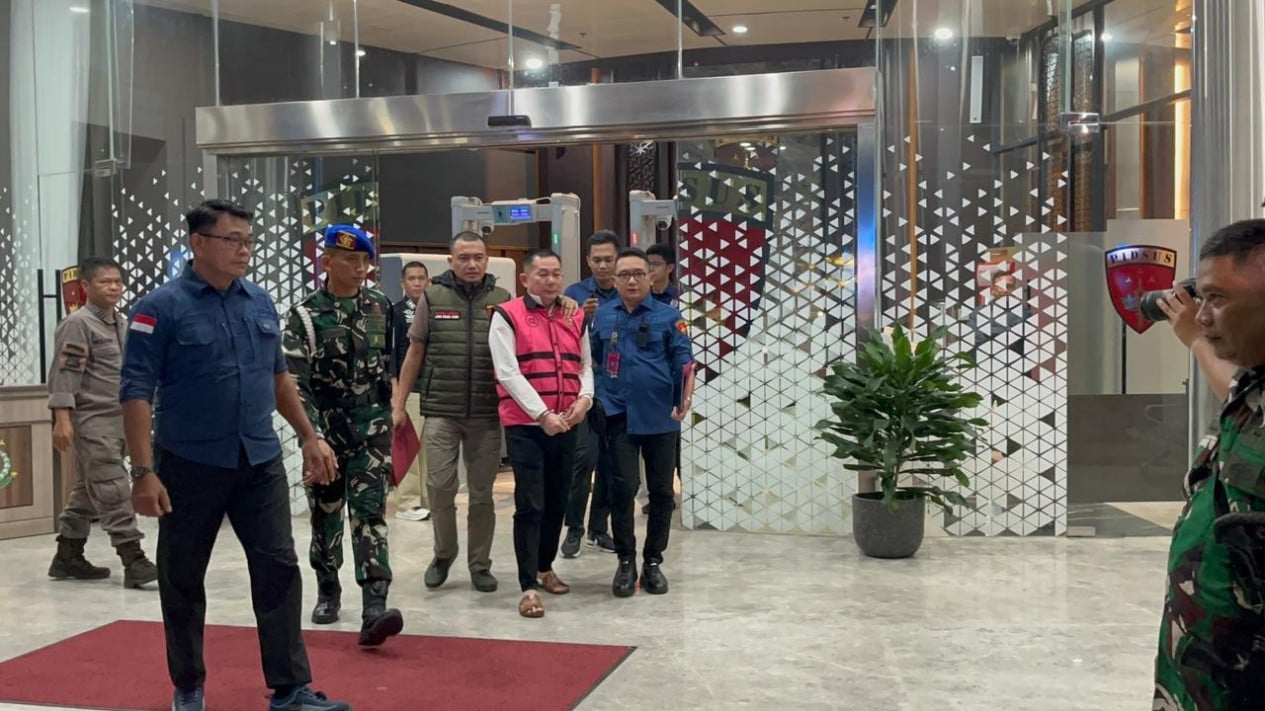
The Attorney General’s Office (Kejagung) investigation team is handling a suspected corruption case involving the mismanagement of mining business permits (IUP) for PT Quality Succes Sejahtera (QSS) in West Kalimantan. Prosecutors from the Attorney General’s Office’s Special Crimes Unit (Jampidsus) have named mining businessman Sudianto, alias Aseng, as a suspect. Former KPK Deputy Commissioner Saut Situmorang believes the handling of illegal mining cases cannot stop at a single suspect, particularly when the case involves permits. “Given the structure of permit issuance, there must be a link to the permit-granting authorities. Therefore, it’s impossible for Aseng to be the only suspect,” Saut told journalists on Thursday, 28 May 2026. According to Saut, law enforcement agencies are likely focusing on proving the core crime before expanding the investigation to other suspected parties. “I believe the prosecutors’ strategy is the same: the crime has occurred, now it’s a matter of identifying who did what,” he said. He added that the practice of discrepancies between the actual mining location and the area stated in the permit is not new in the mining industry. “The mismatch between mining sites and permit locations is common; illegal mining typically involves either incorrect locations or lack of permits,” he explained. Thus, Saut stressed that law enforcement must thoroughly investigate the permit issuers. If there is any backing or protection from relevant parties, it must be fully investigated, as per President Prabowo Subianto’s instructions. “In this case, the focus should be on the permit issuers. Businesspeople will do whatever it takes, so the question is: who are the government officials responsible for issuing the permits—ministry or regional authorities?” he insisted. In 2016, Saut explained that authority over mining permits was in a transitional phase between central and regional governments, meaning investigators must determine which entity held jurisdiction when the permit was issued. “In 2016, I recall mining permits were under central government control, though regional authorities could also issue them. It depends on who had malicious intent,” he said.