
Former Indonesian Ambassador to Iran debunks misconceptions in Iran's 'erase Israel from the map' narrative
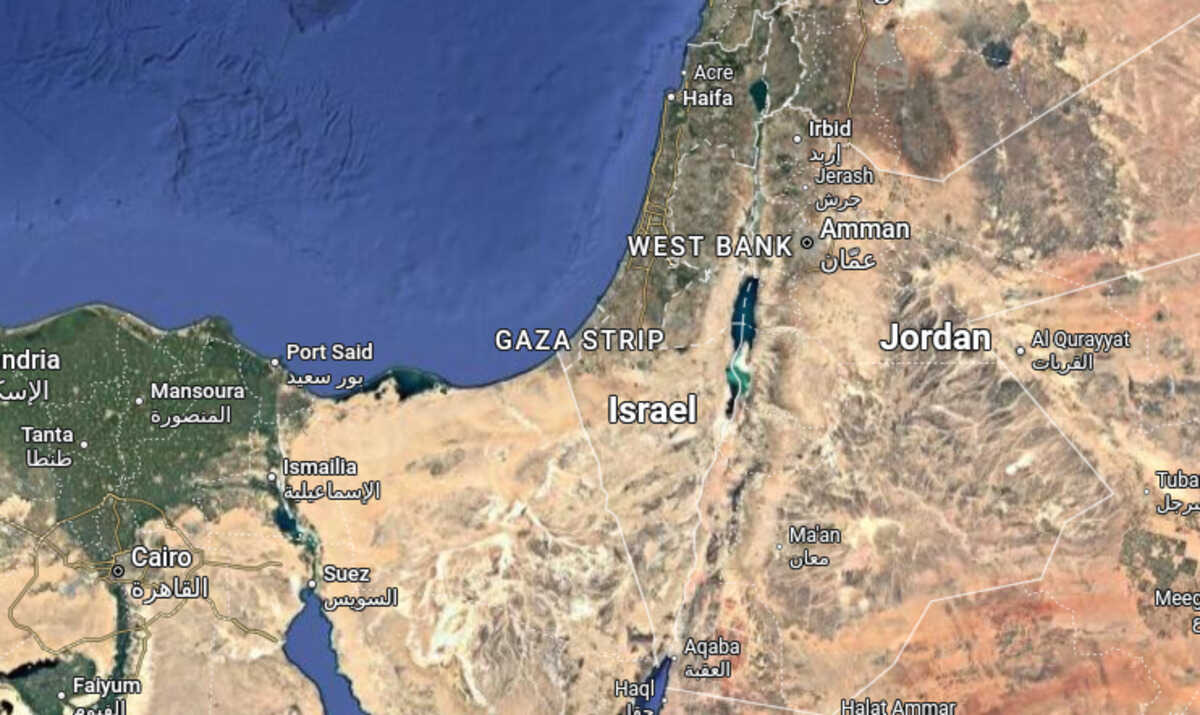
Former Indonesian Ambassador to Iran (2012-2016), Dian Wirengjurit, highlighted distortions in the global narrative surrounding the Iran-Israel tensions. At Denpasar Forum Discussion 12, he argued that the claim that Iran poses an existential threat to Israel should be viewed more clearly and contextually.
According to Dian, Western narratives are often distorted and do not reflect the real socio-political realities in Tehran. One crucial point he highlighted is the interpretation of former President Ahmadinejad’s speeches, frequently used as propaganda.
Dian explained that Ahmadinejad’s statements in 2008 and 2015, commonly translated as “erasing Israel from the map”, carry nuances in Persian. Literally, the phrase refers to replacing a regime or government, not the physical destruction of a country or a people.
“To be honest, ask those who understand the nuance of the Iranian phrase spoken by Ahmadinejad. It literally means to destroy the government—not physically removing it from the earth, but eliminating the Zionist government,” Dian said in the discussion titled Nuclear or Regime Change? The Iran War and Its Influence on Indonesia and the World, on Wednesday (4 March 2026).
He added that Iran respects the existence of the Jewish community. From the era of the Shah’s monarchy to after the 1979 Revolution, the Jewish community in Iran has retained political rights and representation in parliament. “Even now, one Jew serves as a member of the parliament and this remains in line with the basic law,” he said.
Regarding the nuclear controversy, Dian stressed that peaceful nuclear technology is allowed under international treaties. As a Non-Proliferation member, Iran has the same rights as other countries, including Indonesia, to utilise nuclear energy for research, medical purposes, and energy.
“The second issue about nuclear programmes—nuclear programmes are not forbidden, not taboo. They are allowed for any Non-Proliferation member country. Does that automatically make weapons? We (Indonesia) also have nuclear laboratories for research,” he explained.
Dian referred to the International Atomic Energy Agency (IAEA) report stating that no uranium enriched beyond the limit for weapon-making has been found. He said Iran’s uranium enrichment results thus far remain within the needs of medicine and agriculture.
Furthermore, Dian argued that Iran actually faces great geopolitical pressure due to its isolation amid sectarian dominance and differing political alliances in the Middle East. He also touched on the international community’s stance toward the Gaza situation.
“When Gazan people are killed in a brutal manner, are there any Islamic or Arab countries helping? They have allowed the slaughter by Israel. The Gulf Arab states actually defend Israel and assist the United States. From this you can see who is really facing existential threats,” he concluded.
The narrative of Iran threatening Israel is often used as a geopolitical tool to uphold Western influence in the Middle East, even though the facts on the ground show Iran’s political openness toward the Jewish community and compliance with civil nuclear protocols.