
Former Google Executive Pessimistic After Meeting with Nadiem to Discuss Chromebooks
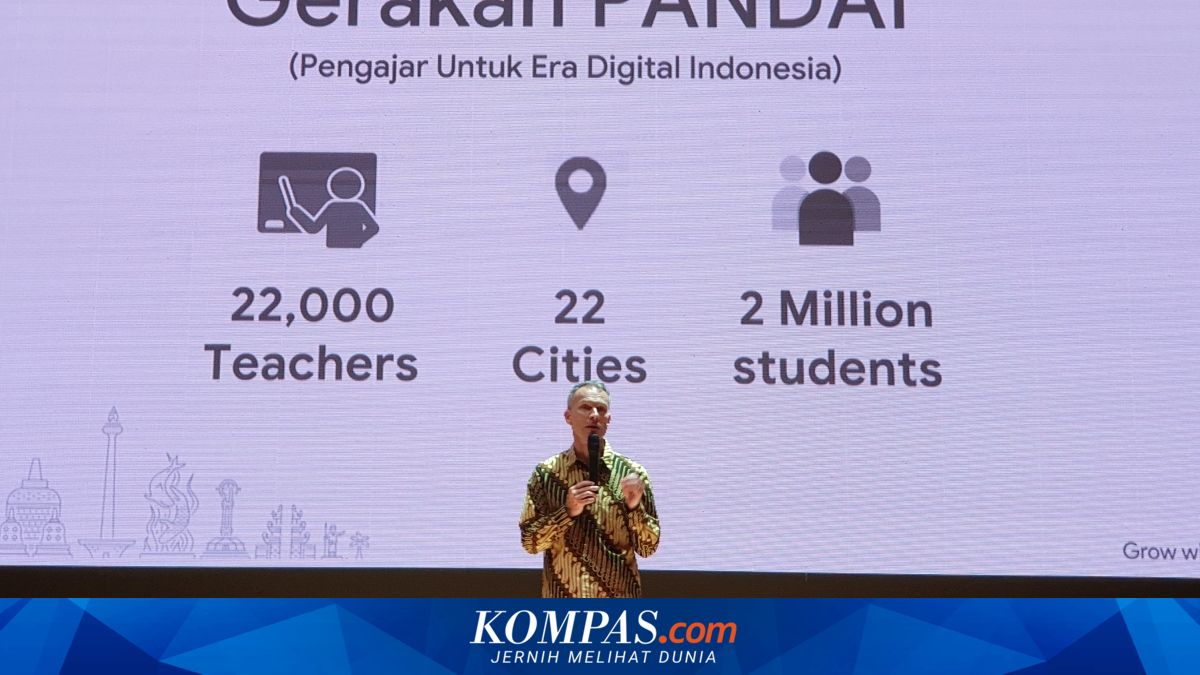
JAKARTA, KOMPAS.com - Former Google Asia Pacific President Scott Beaumont admitted feeling pessimistic about the possibility of Google’s involvement in an education-related programme in Indonesia after a meeting with then Minister of Education and Culture Nadiem Makarim in February 2020.
This story was shared by Beaumont while serving as a character witness for Nadiem in the trial of the alleged corruption case involving the procurement of Chromebook-based laptops.
“We actually felt quite pessimistic after that meeting,” said Scott, who appeared virtually at the trial in the Jakarta Corruption Court on Monday (20/4/2026).
Beaumont stated that at the time, Chromebook was a relatively new product.
His team had already tried to explain the Chromebook product as best as possible.
However, the ministry side was more familiar with Google’s competitor products, one of which is Microsoft.
“We felt we had done our best to explain our product, but at that time there was a stronger sense of familiarity (from the ministry) with competitor products. And we knew we needed to explain more,” Beaumont said.
Beaumont explained that the February 2020 meeting was the initial encounter between Google representatives, particularly the Google for Education team, and the ministry team led by Nadiem.
“As far as I remember, February was the initial meeting to discuss with the minister and his team together with the Google team to talk about the education-related project,” he said.
He denied that there was any agreement with Nadiem, particularly regarding cooperation where Chromebooks would be selected for procurement in schools.
This act was carried out together with three other defendants, namely former technology consultant for the Ministry of Education, Culture, Research, and Technology Ibrahim Arief, former Director of Junior High Schools at the Ministry Mulyatsyah, and former Director of Primary Schools at the Ministry Sri Wahyuningsih.
The calculation of state losses in this case is divided into two components: the procurement of Chromebook-based laptops and the procurement of Chrome Device Management (CDM).
Prosecutors assess that the procurement of CDM harmed the state because it was unnecessary and not required in the Ministry’s Digitalisation of Education programme at the time.