
Formasi Aims to Make Cybersecurity Culture a National Movement
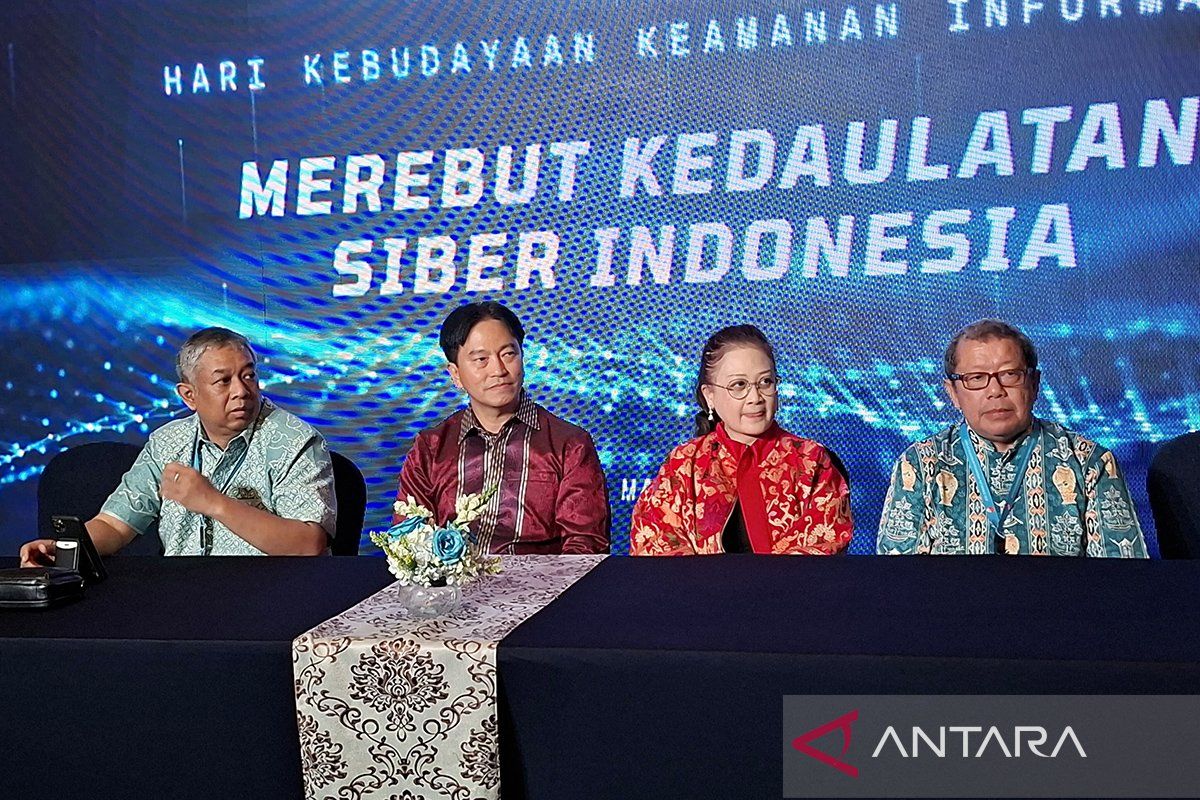
In Jakarta, the Forum for Indonesian Cyber Independence (Formasi) hopes for the establishment of a culture of cyber security as a national movement involving the government, business, academics, communities and the public. Founder and Coordinator of Formasi, Gildas Deograt, at the Indonesian Cyber Security Culture Day (HKKI) 2026 in Jakarta on Saturday, said that technological developments have made the real and digital worlds increasingly inseparable. ‘Cyber security can no longer be regarded merely as a technical issue. It has become a strategic issue directly related to economic stability, business, and even national sovereignty,’ Gildas said. According to Gildas, the situation means threats in cyberspace no longer have a limited impact on technology systems, but can also affect real life. ‘Thus the importance of cyber security efforts as a national movement to bolster Indonesia’s digital resilience amid rising global cyber threats,’ he said. This forum also reminded that digital security has become an important part of national sovereignty, while proposing that March 7 be officially commemorated as HKKI. In addition, Gildas noted that the HKKI commemoration can serve as a reminder for all elements of the nation to strengthen awareness and self-reliance in facing various threats in cyberspace. In the global geopolitical context, cyberspace has even become one of the instruments used in interstate rivalry. Furthermore, security in every supply chain of digital products and services becomes a crucial factor for business continuity as well as national resilience. Gildas explained that HKKI was first declared on 7 March 2007 by the Information Security Community (KKI) together with the Ministry of Communications and Information Technology, the National Security Agency (Lemsaneg), the Agency for Assessment and Application of Technology (BPPT), and several IT communities. Since then, activities such as public campaigns, discussions, and educational forums have been held to raise awareness of the importance of protecting information security in the digital era. Indonesia has also built several institutions that play a role in maintaining national cyber security, such as the Indonesia Security Incident Response Team on Internet Infrastructure (Id-SIRTII), the Police’s Cyber Crime Directorate, the Cyber Defence Centre of the Ministry of Defence, cyber units of the TNI, and the National Cyber and Sandi Agency (BSSN). In addition, the government has strengthened the regulatory framework through the Electronic Information and Transactions Law (UU ITE) and the Personal Data Protection Law (UU PDP). Meanwhile, the Rector of Pradita University, Eko Indrajit, said cross-sector collaboration is an important factor in building a cyber security culture in Indonesia. ‘Integration between national policy and high-level security governance can shape a safe mindset and behaviour,’ Eko said. He added that integration between national policy and solid digital security governance will help form a more aware mindset and behaviour among the public regarding cyber risks. ‘Thus digital security is no longer seen as a barrier, but as part of the convenience in people’s digital lives,’ Eko added.