
Forestry Minister: Way Kambas National Park Becomes Pilot Project for Innovative Climate Financing
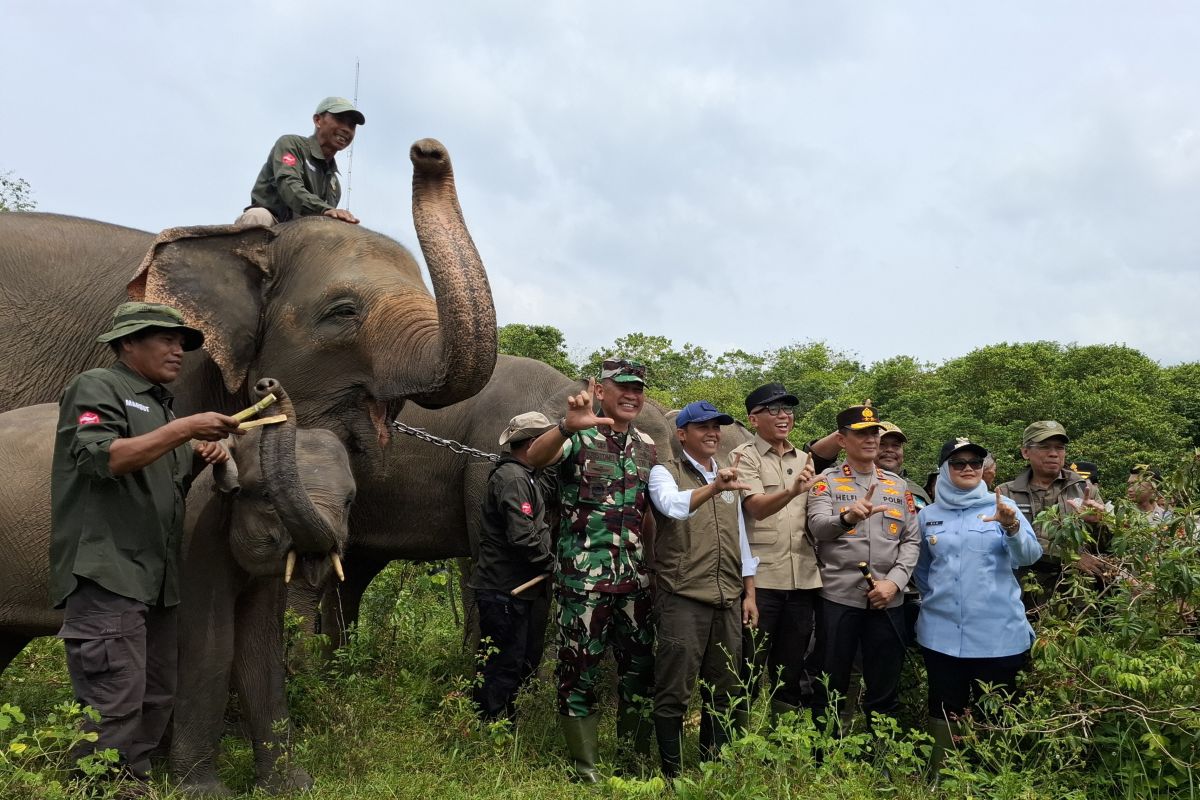
Bandarlampung (ANTARA) - Forestry Minister Raja Juli Antoni stated that Way Kambas National Park (TNWK) is serving as the pilot project for implementing innovative climate financing. “National parks are not only funded by the limited state budget, nor do we solely rely on aid that has been provided by international NGOs, for which we are certainly grateful. However, a more sustainable funding system that empowers local communities is needed,” said Raja Juli in East Lampung on Thursday. He emphasised the importance of blended financing, a system that not only involves the state budget and aid from international NGOs but also engages the private sector with strong commitments to conservation. “With the issuance of Forestry Ministerial Regulation No. 27 of 2025, voluntary carbon market projects in national parks are now possible,” he said. He explained that Way Kambas National Park was selected as the first pilot project for implementing innovative climate financing mechanisms such as biodiversity bonds, carbon credits through international voluntary carbon markets, and strengthening conservation tourism or ecotourism that reaches various visitor segments. In accordance with Law No. 32 of 2024, the utilisation of carbon environmental services in conservation areas can only be carried out in utilisation zones. Therefore, zoning adjustments must be made to enable carbon activities in the most appropriate areas. “These zoning adjustments are temporary and aimed at strengthening the wildlife habitat conditions in Way Kambas National Park, and will be returned to the original zones after the special recovery and protection activities are completed,” he added. According to him, Way Kambas National Park is an important habitat for the Sumatran elephant, Sumatran rhino, and Sumatran tiger, which are critically endangered according to the IUCN. Currently, Way Kambas National Park faces various challenges, such as invasive species, recurrent forest fires, habitat fragmentation, illegal hunting, and human-elephant conflicts. Through the carbon scheme, companies wishing to offset emissions can purchase carbon credits generated from conservation and forest restoration efforts in Way Kambas National Park. The collected funds will be reinvested to support operations and sustainable ecosystem recovery. “In designing this project, we aim to improve the welfare of local communities and the invaluable biodiversity of Way Kambas National Park. I have agreed with the private sector that 50 percent of the profits from carbon trading must be returned to the communities in the buffer villages,” he said.