
Forestry Minister: Social Forestry Scheme Opens Carbon Economy Opportunities
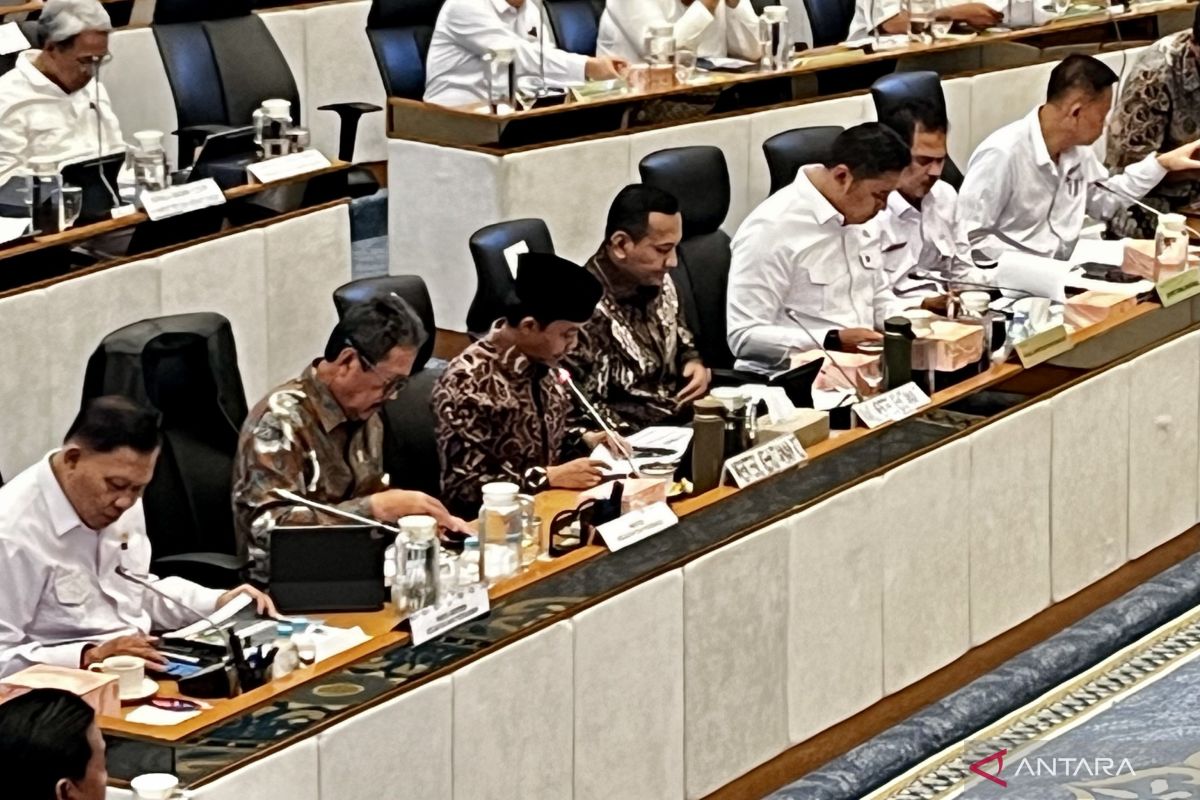
Forestry Minister Raja Juli Antoni stated that the social forestry scheme opens strategic opportunities to develop carbon economy potential, which is expected to contribute to community welfare. Speaking at a working meeting with the Minister of Marine Affairs and Fisheries, the Minister of Agriculture, and Commission IV of the House of Representatives at the Senayan parliamentary complex in Jakarta on Tuesday, he said this is supported by social forestry, which is considered an ideal location for nature-based carbon projects. “With a national target of around 12.7 million hectares, this scheme not only contributes to reducing greenhouse gas emissions but also opens economic opportunities for communities through the Social Forestry Carbon Economic Value Incentive (NEK PS),” said Raja Antoni. From a biophysical aspect, he continued, the remaining natural forests in social forestry areas play a role in maintaining existing carbon stocks (carbon stock protection), while agroforestry practices and critical land rehabilitation can increase long-term carbon stocks. Besides social forestry, the potential for carbon trading mechanisms can also be found in conservation areas, through the restoration of deforested and degraded ecosystems. “The Open Land Area in Conservation Areas, covering approximately 1.27 million hectares located in Nature Reserves, Nature Conservation Areas, and Game Reserves, has the potential for annual carbon absorption from restoration reaching 4.5-50 tons of CO2e per hectare per year,” explained Raja Antoni. Through restoration efforts, the Forestry Minister said, these areas can absorb carbon between 4.5 and more than 50 tons of CO2e per hectare per year, especially in the first decade of recovery. “This confirms that conservation areas have great potential to be developed in carbon trading mechanisms through the restoration of deforested and degraded ecosystems,” he added. Furthermore, the Forestry Minister assessed that this also opens opportunities as an innovative solution to address conservation budget gaps, by involving active roles from the private sector. “Through the Carbon Environmental Services Utilisation Business Licensing mechanism in Conservation Areas and Game Reserves, we not only preserve nature but also create sustainable economic value,” said Raja Antoni.