
Foreign Worker Services Streamlined into Single Window via OSS Integration
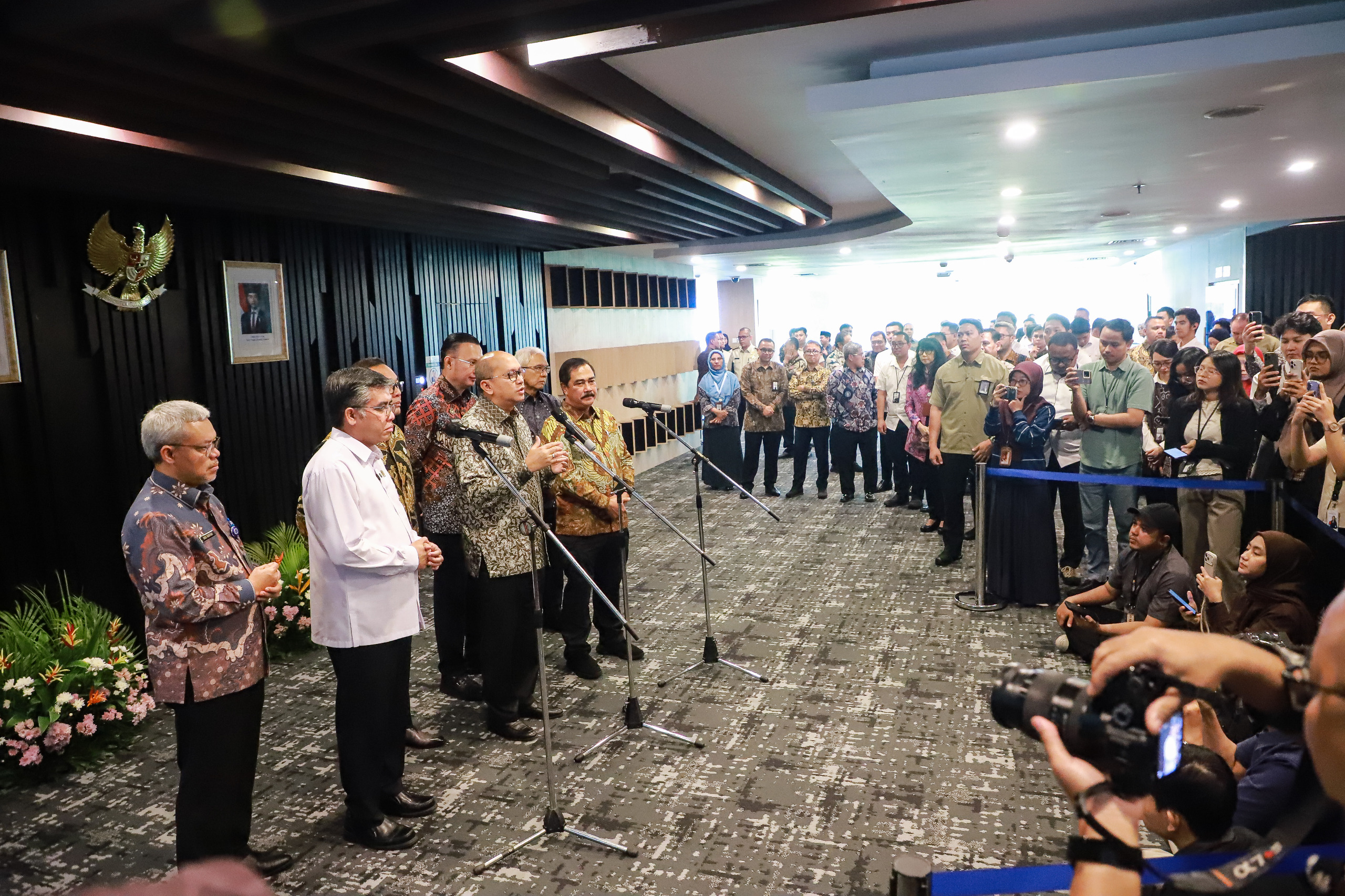
The administration of foreign worker (TKA) usage in Indonesia has entered a new era. The government has begun consolidating services that previously operated through various ministerial and institutional systems into a single window via the Online Single Submission (OSS) platform.
This step was marked by the signing of a Joint Decree (SKB) regarding the integration of cross-ministerial/institutional TKA service systems in Jakarta on Wednesday (9/9/2026).
Minister of Manpower Yassierli stated that the unification of the system is intended to make the service process for the business world simpler, faster, and more certain.
“The process must be simpler, faster, and certain. Integration must not add extra stages, but rather provide better service,” said Yassierli following the signing of the SKB.
Through this new system, foreign worker services can be accessed via the OSS, which is under the Ministry of Investment and Downstreaming. The system connects the SIAPKerja platform owned by the Ministry of Manpower with the All Indonesia system under the Ministry of Immigration and Correctional Services.
For the government, integration is not merely a matter of merging digital systems. The use of foreign workers remains directed towards meeting labour needs for specific competencies, particularly in fields requiring expertise that is not yet fully available locally.
Yassier’sli noted that the presence of foreign workers is also linked to the process of technology and skill transfer to the Indonesian workforce. At the same time, the government hopes that the use of foreign labour will help strengthen the absorption of local workers.
The integration is the result of collaboration between three ministries: the Ministry of Manpower, the Ministry of Investment and Downstreaming/BKPM, and the Ministry of Immigration and Correctional Services.
The Minister of Investment and Downstreaming/Head of BKPM, Rosan P. Roeslani, assessed that cross-ministerial cooperation is necessary so that investment services can move more quickly without ignoring applicable regulations.
According to Rosan, this collaboration is expected to impact the economy, job creation, and public welfare.
Meanwhile, the Minister of Immigration and Correctional Services, Agus Andrianto, mentioned that inter-ministerial cooperation regarding foreign worker and foreign investor services had actually been ongoing. The signing of the SKB this time serves as the formalisation of that cooperation.
“This is the formalisation of what we have been doing all this time,” said Agus.
He expressed hope that the unification of data across systems would provide certainty for foreign investors, especially in investment processes that require administrative clarity and efficient service.
With this integration, the government is positioning ease of service and investment certainty as two parallel objectives. However, on the other hand, the use of foreign workers must still be implemented according to competency requirements and applicable regulations.