
Foreign Ministry confirms handling of Indonesian domestic worker in Libya pleading to return home
The Indonesian Ministry of Foreign Affairs has confirmed it is handling the case of an Indonesian migrant worker in Libya who is requesting to be repatriated. The worker, identified by the initials AJ, is believed to be a victim of the criminal act of human trafficking and was placed through non-procedural channels.
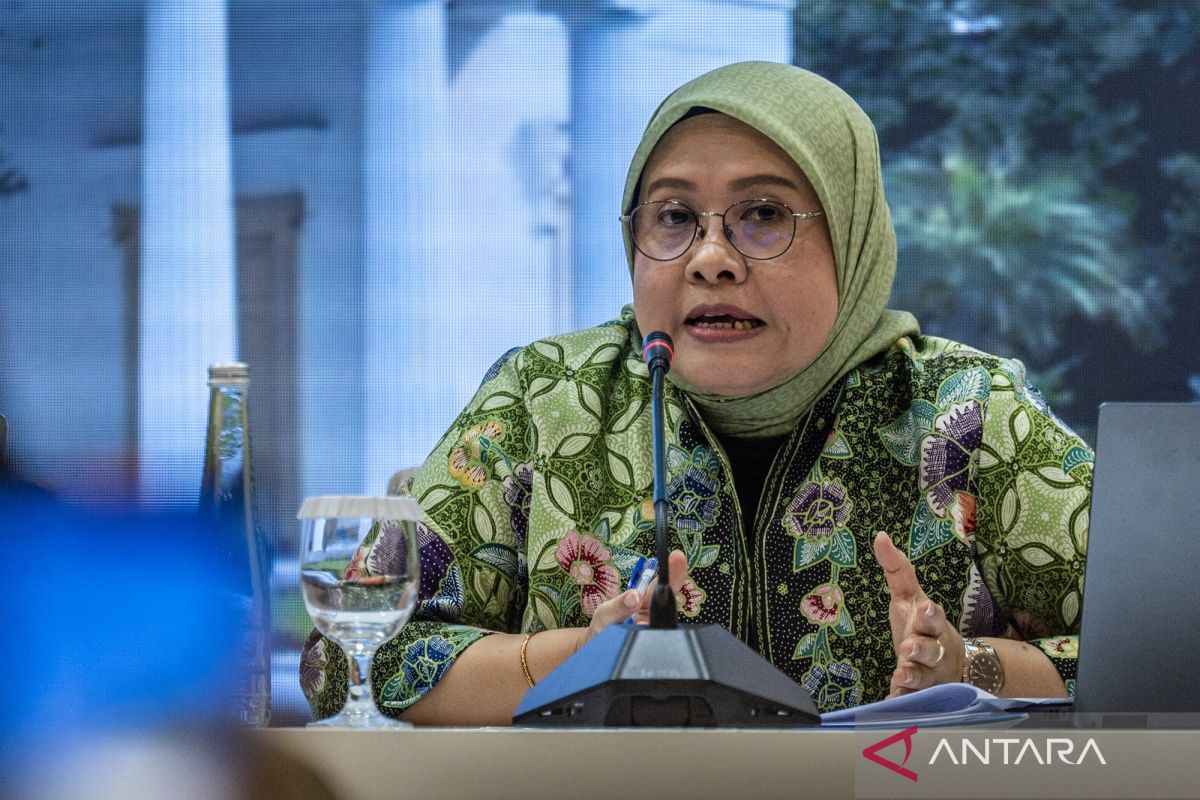
Director of Protection for Indonesian Citizens at the Ministry of Foreign Affairs, Heni Hamidah, stated that the ministry, together with the Indonesian Embassy in Tripoli, is communicating with and monitoring the condition of AJ, who is currently in Benghazi, eastern Libya. “The Indonesian Embassy in Tripoli has confirmed that AJ is currently safe, healthy, and has not suffered any injuries or wounds,” Heni said in a written response to reporters in Jakarta on Sunday.
The embassy is conducting further investigation with relevant parties, including AJ and the employer, to obtain a full picture of the chronology of events leading to the worker’s request to return home. According to Heni, investigations with a local agency revealed that AJ has been working in Benghazi since March 2025, but the placement route was found to be non-compliant with procedures by the sponsor.
“The Indonesian Embassy in Tripoli will continue to coordinate with relevant parties and local authorities to handle this case,” Heni stated. She also reiterated an appeal to the public planning to work abroad to comply with applicable regulations and only depart through official, procedural channels to ensure the protection of migrant workers’ rights and safety.
The case came to light after information about AJ surfaced on social media on 26 June, with a circulating video showing AJ crying and pleading for help to return to Indonesia. The worker claimed to have received unpleasant treatment and was forced to work without rest as a domestic worker in Benghazi, Libya. In the video, the worker, who is reportedly from Cianjur, West Java, specifically named President Prabowo Subianto and West Java Governor Dedi Mulyadi, asking for their help as “role models for the people.”