
Foreign Media Spotlight the Rupiah, Say This
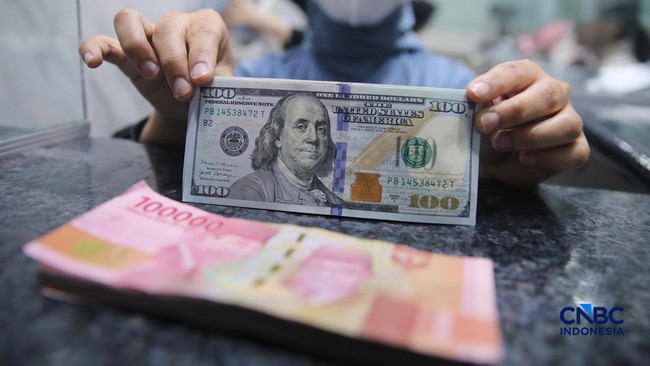
Jakarta, CNBC Indonesia — Foreign media have begun to spotlight the rupiah. One example is Singapore-based Channel News Asia (CNA). The media wrote the headline ‘Why is the Indonesian rupiah falling, and could confidence be cracking?’ It published how the rupiah is said to be facing new pressures and falling to its all-time low against the US dollar, amid rising investor concerns about the country’s fiscal outlook. ‘The rupiah has weakened to around 17,600 per US dollar, surpassing the symbolic 17,000 level long seen by markets as a psychological threshold,’ the article said in a piece that ran on Thursday, cited Friday (22 May 2026). ‘Many Indonesians link this figure to the 1998 Asian Financial Crisis, when the rupiah collapsed, inflation surged, banks failed, and widespread unrest eventually ended the tenure of former president Suharto after three decades,’ it claimed. ‘The rupiah has depreciated about 5% this year, making it one of the worst-performing currencies in Asia,’ it wrote. ‘Although analysts emphasised that Indonesia’s economy is much stronger than during the late 1990s crisis, the sharp drop still unsettles investors and rekindles concerns about inflation and policy direction.’ A analyst from fintech company Ebury was also quoted. He said the rise in oil prices is not beneficial, and this has caused some inflation concerns. A local analyst from Bank Permata, Josua Parade, was also asked for comment. He stated that investors worry that higher oil prices will raise the cost of subsidies and compensation, weaken fiscal credibility, push higher bond yields, and constrain Bank Indonesia’s room to ease policy. ‘Those concerns have spread across the financial markets,’ CNA added. ‘Indonesian equities have fallen sharply, while the rupiah’s decline has prompted repeated interventions by the central bank to stabilise the currency,’ it added. ‘Investors are also examining the government’s economic direction more broadly, including concerns about policy credibility and the state’s growing role in business.’