
Foraging for iftar becomes a space of tolerance in Maluku
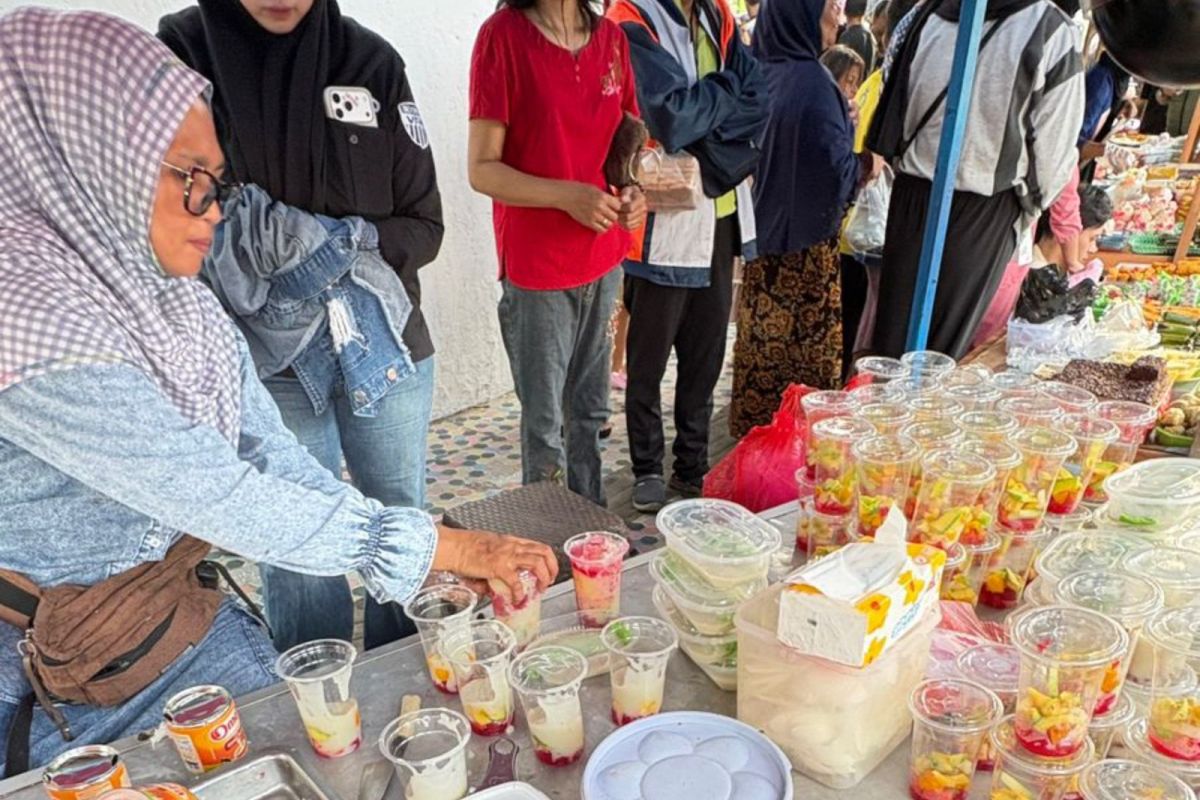
Dusk begins to settle across several corners of Ambon City, Maluku. The aroma of freshly fried foods mingles with the scent of banana compote and fruit ice carefully arranged on small tables along the roadside.
Amidst the hustle and bustle, people come and go. Some wear peci skullcaps, whilst others arrive with Christian crosses around their necks. They gather in the same place: foraging for iftar foods.
Ramadhan in Maluku is not merely about worship for Muslim believers. It also presents a warm space for gathering amongst a community living in diversity. In many places, the tradition of buying and selling iftar foods—commonly called “war takjil”—becomes a small space where tolerance naturally flourishes.
As the time to break the fast approaches, vendors begin busily serving customers. Not only Muslims forage for food to break their fast. Many non-Muslim residents also come to purchase iftar foods.
Ramadhan in Maluku often creates warm gathering spaces for communities living in diversity. “War takjil” becomes one of the places where interfaith interaction occurs naturally in everyday life.
In Ambon, when Ramadhan arrives, almost every corner is filled with iftar food stalls. From the city centre in front of the Al-Fatah Grand Mosque in the Nania district, Batu Merah, to lanes in remote residential complexes. Despite their abundance, various iftar foods are invariably sold out.
In some locations, iftar food vendors are often non-Muslims themselves. They continue selling throughout Ramadhan as it has become an annual tradition and an additional income source. For them, Ramadhan is a shared moment that has long existed within Malukan society.
Additionally, for some Christian residents, buying iftar foods during Ramadhan has become a habit practised each year. Although they do not fast, they still come to purchase food and experience the busy atmosphere of Ramadhan filled with togetherness.
“I do not fast, but I still come to buy iftar foods every Ramadhan. Sometimes it is for eating at home, sometimes also for friends who are fasting. The atmosphere is busy and fun,” said Florensia, a Christian resident encountered whilst buying iftar foods in front of the Al-Fatah Grand Mosque in Ambon.
Similar sentiments were shared by Fernando, another Christian resident. He admitted that he often helps his Muslim friends purchase iftar foods.
“When office mates are fasting, I usually buy iftar foods too. Sometimes I help them buy if they are still working. It has become routine, so it feels normal, but it is very enjoyable,” he said.
On the other hand, Muslim residents do not object to this. The relationships formed between vendors and buyers go beyond mere commercial transactions. There are warm greetings, brief jokes, and everyday stories that create an intimate atmosphere.
For some residents, foraging for iftar foods has even become a social activity. Many people deliberately arrive early, walk through rows of stalls, simply to look around or chat with vendors they already know.
Such scenes are not new to Maluku. For a long time, the community has lived in religious and cultural diversity. In everyday life, interfaith interaction has already become part of routine, including when Ramadhan arrives.
“It has always been like this here. Christian friends often come to buy iftar foods or simply sit and chat whilst waiting for the time to break fast. We are all like family,” said Rahmat, a Muslim resident waiting for the time to break his fast in the courtyard of the Jami Mosque in Ambon.
The same sentiment was expressed by Nur Aini, an iftar food vendor. She believes that the Ramadhan atmosphere in Maluku always feels warm because the community respects one another.
“During Ramadhan, many non-Muslim friends come to buy iftar foods. We are happy because it is a sign that they also respect those who are fasting,” she said.