
Food Waste Rises During Ramadan, Here’s How It Is Being Reduced
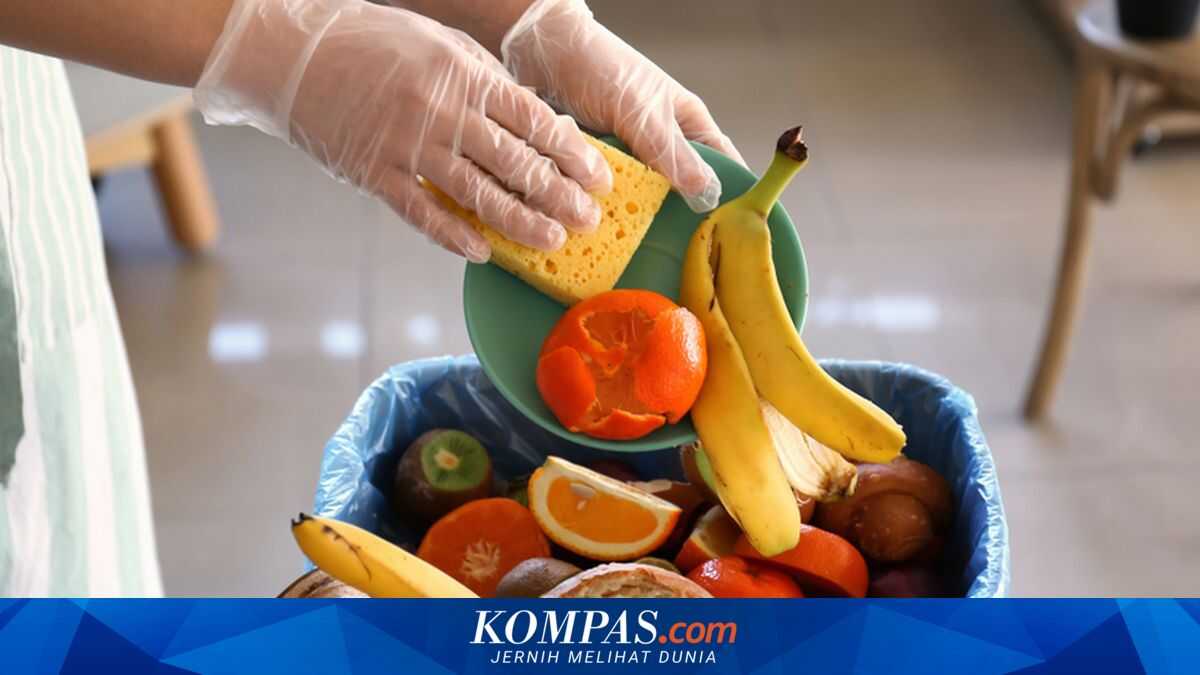
Increased consumption of food and beverages during Ramadan is often followed by a surge in plastic waste and food leftovers. This phenomenon has prompted various parties to seek ways to curb food waste while expanding access to basic needs for the public.
In Ramadan 2026, one of the steps taken is the provision of free drinking-water points at several public spaces and a food rescue programme that recovers food that would otherwise be discarded.
“This initiative is MODENA’s sustainability commitment to broaden access to clean water and food, while reducing plastic packaging waste and food waste,” said Winda Aulia Pratiwi, MODENA Sustainability Lead, in a written statement from Jakarta on Wednesday, 4 March 2026.
“For us, efforts to equalise access and reduce waste must go hand in hand to address downstream challenges, particularly regarding consumer consumption patterns.”
Through the MODENA Pure Hub programme, the company inaugurated eight free drinking-water points in public locations from Jakarta to Bekasi.
These free drinking-water points can be used by the public during Ramadan and beyond. The programme is expected to help reduce the use of single-use plastic bottles that often arise during worship activities and iftar breaks in public spaces.
To date, the initiative has dispensed more than 150,000 litres of drinking water to the public.
The water provided uses MODENA Reverse Osmosis Water Purifier technology capable of filtering micro particles and contaminants via a reverse osmosis system, ensuring the water remains hygienic and safe to drink.
In the latest activity, the rescue kitchen programme succeeded in saving 62 kilograms of food that could have become food waste. The food was then processed and served as iftar meals to 100 beneficiaries in Kampung Gasong Menteng Atas, South Jakarta.
The area is a densely populated settlement where the majority of residents work as waste pickers.
Through the collaboration, surplus food from industry that is still fit for consumption is collected, processed, and distributed to people in need.
The free drinking-water programme aligns with SDG 6 on Clean Water and Sanitation and SDG 3 on Good Health and Well-being. Meanwhile, the food rescue programme supports SDG 2 on Zero Hunger and SDG 12 on Responsible Consumption and Production. In addition, reducing single-use plastic and utilising surplus food also contributes to SDG 13 on Climate Action.
“The water we drink and the food we consume are among the most fundamental needs in life,” said Winda. “As a brand closely tied to these needs, MODENA is committed to ensuring that every innovation and initiative we bring is not only relevant but also makes a tangible contribution to society and the environment.”
“For broader context, Indonesia’s food waste issue affects not only the environment but also yields substantial economic losses. Government data show that losses from wasted food reach hundreds of trillions of rupiah each year.”