
Food Technology Expert Recommends Cold Chain System to Support MBG Programme
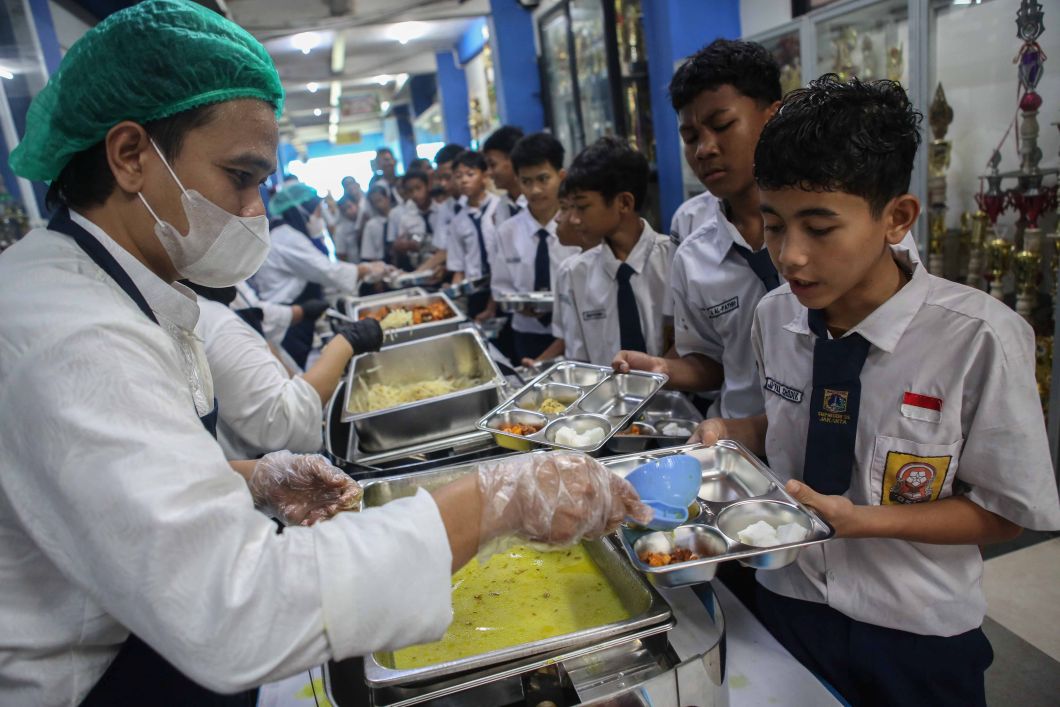
The National Nutrition Agency’s (BGN) intensive surprise inspections at various Food Service Units for Nutrition Fulfilment (SPPG) across regions are seen as a crucial step towards national standardisation. These inspections aim to ensure that food quality remains consistent across different areas.
It is known that until 1 April 2026, 1,256 SPPGs in eastern Indonesia have had their operations temporarily suspended. BGN’s on-site evaluations represent a commitment to ensuring that technical guidelines are properly implemented.
This aligns with the view of Food Technology Expert Yuyun Anwar, who notes that many partners have not fully understood the technical standards for processing large quantities of food. This situation poses significant risks if not addressed promptly. BGN has already provided basic guidelines through the pre-requisite programme.
“However, the implementation of key technical aspects such as troubleshooting and preventive measures still needs optimisation. If not fixed soon, this otherwise excellent programme could face major criticism,” she explained.
COLD CHAIN CATERING
Yuyun proposes the adoption of cold chain catering for the MBG programme. The cold chain system maintains a stable temperature for products from production to the consumer’s hands. This method is considered effective in preserving food freshness, preventing contamination, and reducing waste risks.
“The goal is for the Free Nutritious Meals programme not only to succeed in quantity but also to guarantee quality, safety, and public trust,” she stated.
According to Yuyun, by rapidly cooling food after cooking and keeping it at low temperatures during distribution, the growth of pathogenic bacteria can be significantly suppressed. A study in the Journal of Food Protection indicates that temperature management errors between 5°C and 60°C are the main cause of over 70% of food safety incidents in large-scale catering services.
“We are talking about managing 3,500 portions of food with a daily capital turnover of up to Rp52 million. This is where reengineering the production process is important. I am not part of the government, but I want to share practical experience. Not just theory, but direct practice on how to prepare, store, and deliver food to keep it safe until it reaches the recipient,” she clarified.
Meanwhile, the Director of Monitoring and Regional Supervision III at BGN, Rudi Setiawan, stated that they aim to ensure all SPPGs fully meet standards, both in terms of food safety and waste management. This is essential to protect the health of the beneficiaries.
“The temporary suspension of thousands of SPPGs in various regions, currently taken by BGN, provides an opportunity for those SPPGs to register for hygiene and sanitation certificates (SLHS) and wastewater treatment installations (IPAL),” he said.
CERTIFICATION STAGES
Rudi explained that in the BGN-issued Guidelines for Food Safety Certification in Food Service Units for Nutrition Fulfilment, SPPGs are required to obtain SLHS from the local District/City Health Office. The Health Office will then verify documents and conduct site visits and inspections to assess environmental cleanliness, water sampling, food sampling, and employee health checks. Water and food samples will be tested in laboratories to confirm safety.
“If the inspection and laboratory test results meet the requirements, the SLHS certificate will be issued. If the results do not meet the requirements, the SPPG will be given improvement recommendations, and the certification process must be repeated,” he emphasised.
Furthermore, Rudi stated that BGN will continue periodic monitoring and evaluation. SPPGs that have met all requirements can resume operations after verification. He hopes that all suspended SPPGs will promptly make improvements and complete the specified requirements. “After that, they can reapply for verification to resume operations,” he said.
With strengthened operational systems and strict oversight from BGN, Rudi continued, the MBG programme is expected not only to succeed in achieving portion quantities but also in building public trust through guaranteed food quality and safety. “If everyone disciplines themselves to apply high standards, MBG can become a national model for safe and professional nutritious food management,” he added.