
Food Station Admits Selling Rice at a Loss, Production Costs Exceed HET
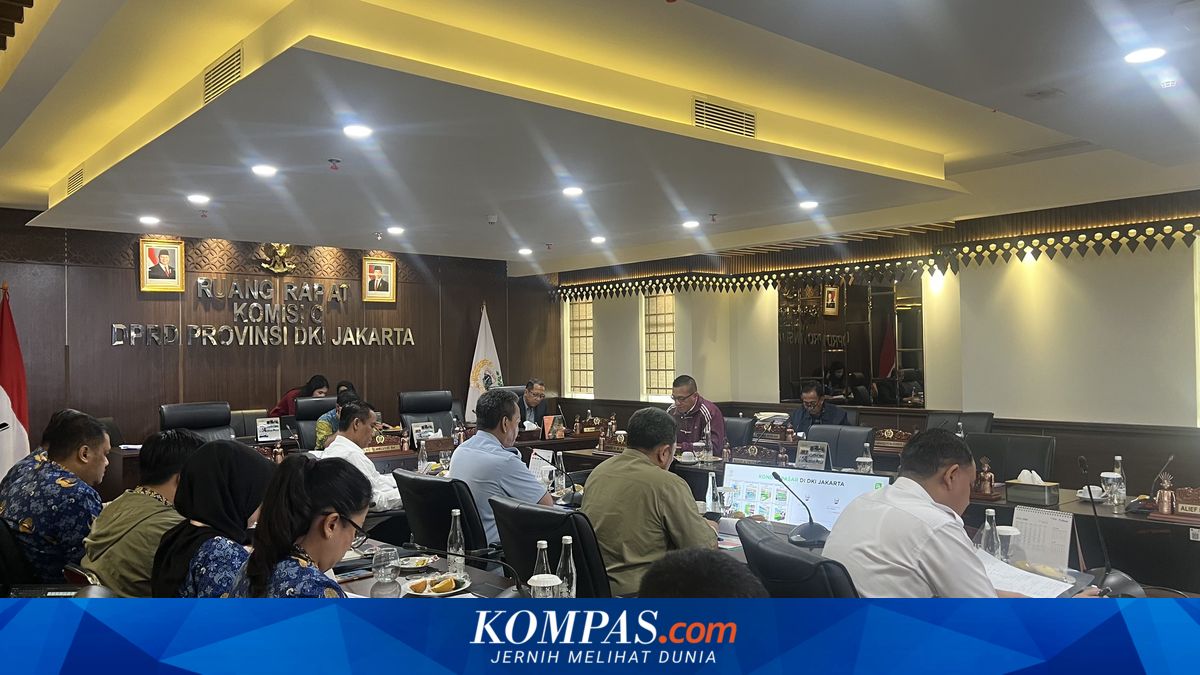
JAKARTA, KOMPAS.com — The President Director of Food Station Tjipinang Jaya, Dodot Tri Widodo, has admitted that his company is currently selling rice at a loss. This situation has arisen because production costs have exceeded the maximum retail price (HET) set by the government, meaning every rice sale potentially incurs a loss. Dodot made this statement during a working meeting with Commission C of the DKI Jakarta DPRD on Monday (27/4/2026). He explained that this issue is not unique to Food Station but affects almost all players in the national rice industry. According to him, the pressure on production costs is driven by rising prices of unhulled rice and other components, including packaging raw materials. He noted that the price of plastic packaging has seen a significant surge in recent years. “It has almost doubled, with an increase of 84 percent. This is not only in the rice industry but in all industries that use plastic raw materials,” he clarified. In addition, Dodot highlighted the high price of unhulled rice in the market, currently around Rp 7,500 per kilogram. When converted to rice, the production cost can reach Rp 15,000 per kilogram, while the selling price is capped below that figure. “The impact will be that premium-grade rice will eventually run out,” he said. Due to this situation, Food Station has decided to temporarily hold back rice supplies to modern retailers such as minimarkets and supermarkets. Dodot stated that sales to this segment could further increase the company’s losses. “Requests from Indomaret, Alfamart, and Superindo, we are putting on hold for now, because if we fulfil them, we will incur losses, Sir. Losses,” Dodot revealed. “The impact is that premium-grade rice could run out, because producers cannot sustain sales under the current conditions,” he added. To counter the cost pressures, Food Station is beginning to change its business strategy, including reducing production of small-packaged rice and shifting to large or bulk packaging. “We are encouraging purchases in 5-kilogram packaging, but actually 25 and 50. So there will be no small packaging,” Dodot explained. Moreover, Food Station is relying on non-rice products such as oil, flour, eggs, and milk, which still provide profit margins. The company is also starting to develop export markets for several commodities.