
Food Prices Rise as Meat and Vegetables Become More Expensive
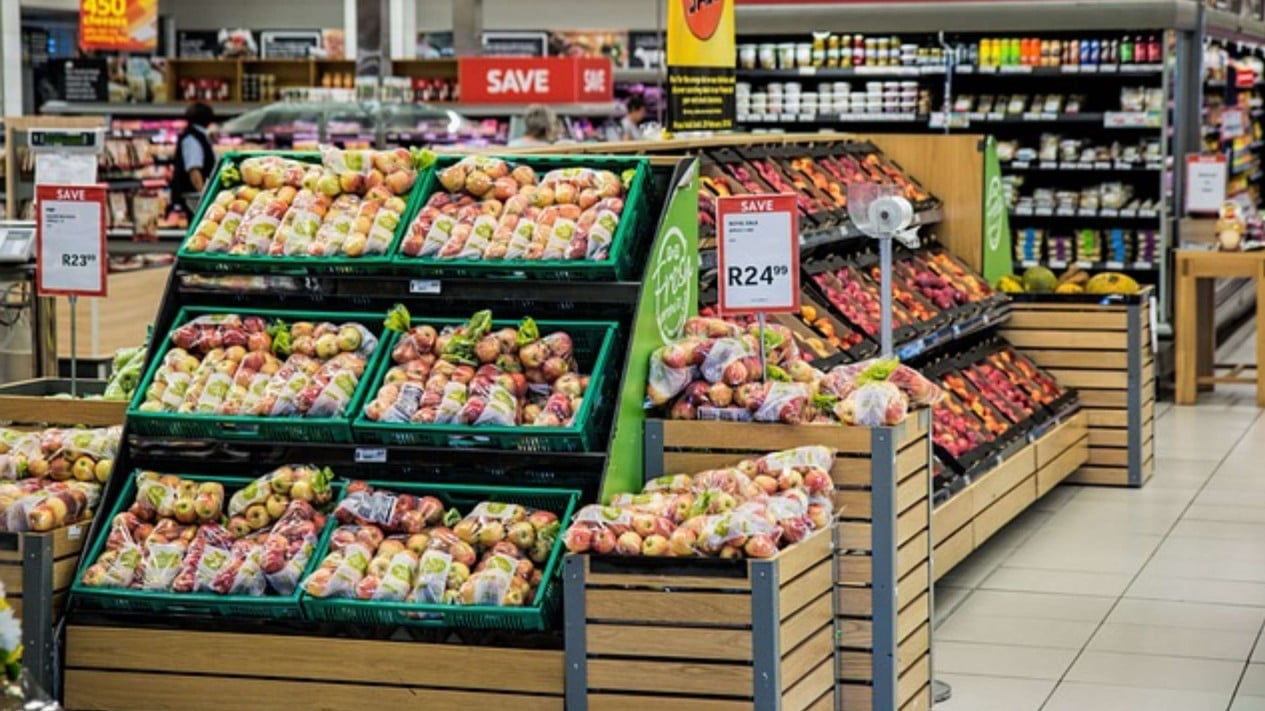
The surge in food prices is once again haunting households. Now, price increases are no longer confined to specific commodities such as beef or coffee, but are spreading across virtually all shelf items in supermarkets in the United States.
Latest data from the U.S. Bureau of Labor Statistics show food prices in the U.S. rose by almost 3 percent in April 2026 compared with the same period last year. The figure marks the fastest rise in nearly three years.
Price increases were broad-based. Of the six major food categories, five experienced price increases, indicating inflation pressures are spreading to almost all household food needs.
One of the main drivers is said to be the spike in global energy costs. Rising energy prices have pushed up the costs of production, shipping, and storage of food.
“Americans households continue to feel the impact of higher energy costs, adding to the inflation they have faced since the pandemic,” said James McCann, senior investment strategy economist at Edward Jones, as quoted by AOL, on Friday, 22 May 2026. “Additionally, with the Hormuz Strait effectively closed, the risk that these price pressures have not yet peaked is increasing,” he added.
The Food News Trade Team report also notes that volatility in global energy markets is driving up production costs along the food supply chain. In April 2026, energy costs rose 3.8 percent and accounted for more than 40 percent of the overall rise in inflation.
This condition stems from the food sector’s heavy reliance on energy. Fuel is used in almost every process, from farming and distribution to getting products onto supermarket shelves.
Price increases were most pronounced for protein products and fresh produce. Prices for meat, poultry, fish and eggs rose 1.3 percent in April. Beef alone rose by 2.7 percent.
Meanwhile, fruit and vegetable prices rose 1.8 percent. Non-alcoholic beverages rose 1.1 percent and dairy products 0.8 percent.
Because these products are staple household needs, consumers are said to be increasingly feeling price pressures in their weekly shopping.
Over the past year, fruit and vegetable prices have risen the most, by 6.1 percent. Non-alcoholic beverages have also risen by 5.1 percent, while cereals and bakery products rose 2.6 percent.