
Food ethics in the midst of climate crisis
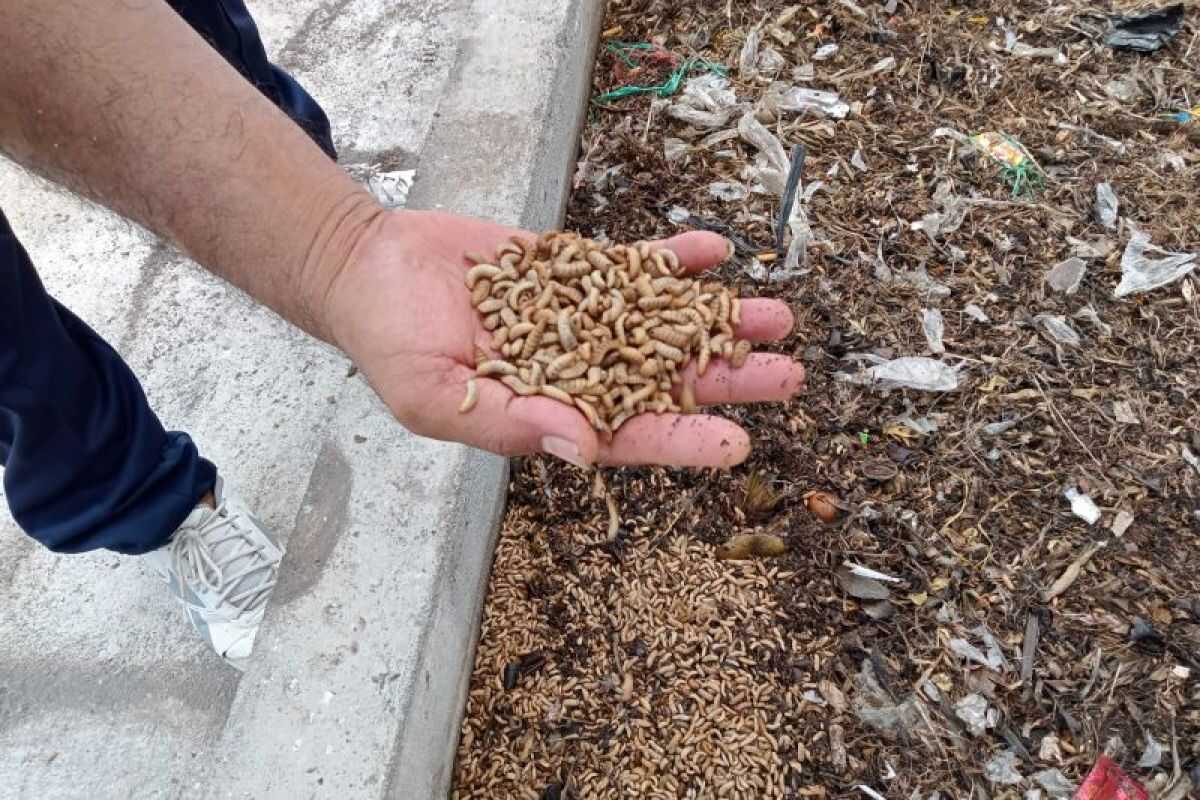
Jakarta - Indonesia’s food system today bears the weight of a paradox. On one hand, food production is continuously pushed to ensure sufficient supply for the entire population. On the other hand, millions of people still face food insecurity, whilst millions of tonnes of food are wasted annually. Therefore, efforts to reduce food waste are not merely about economising, but also about ethical and ecological responsibility. Every grain of rice that is wasted actually contains water, energy, fertiliser, and labour that are discarded alongside it.
In many people’s view, leaving food behind, which eventually becomes waste, may be considered a trivial matter. Data from the Ministry of Environment and Forestry, through the National Waste Management Information System, shows that Indonesia’s waste composition is still dominated by organic waste, with food scraps ranking first, accounting for more than 40 per cent of total waste generation in recent years.
This means that nearly half of our waste burden stems from inedible food. When food waste accumulates and decomposes at final disposal sites, anaerobic decomposition processes generate methane gas, a greenhouse gas that over a 20-year horizon has warming potential dozens of times stronger than carbon dioxide. Thus, food waste is a serious issue because it contributes to the climate crisis.
For this reason, awareness of reducing food waste should become part of ecological literacy, which can begin within the family environment. Shopping planning, reprocessing food leftovers, and controlling meal portion sizes are not minor actions. They represent our concrete form of ecological responsibility.
Equally important is reducing excessive meat consumption. Meat consumption is not a black-and-white matter of permissible or impermissible. The issue is intensity and scale.
Meat production, particularly from ruminant livestock, has a higher carbon footprint compared to most plant-based proteins. Meat production requires vast land, large quantities of water, and lengthy distribution chains. When meat consumption increases without restraint, pressure on ecosystems increases accordingly.
Nevertheless, reducing meat consumption does not mean eliminating it entirely. The principle of moderation is more realistic and sustainable compared to demands for drastic changes that many families find difficult to implement.
In Archipelago culinary tradition, there actually exists a wealth of diverse plant-based menus. Tempeh, tofu, legumes, and various local vegetables have long been alternative protein sources. This food wisdom is particularly relevant in today’s sustainability discourse.
This is where the importance of choosing locally sourced food, where possible, comes in. Shorter food supply chains generally mean more efficient distribution and lower carbon footprints. Furthermore, buying local food products supports the sustainability of farmers and small producers. Our dependence on imported food products is often not solely due to need, but driven by lifestyle preferences. Yet local food is no less in quality and nutritional value. This means consumer decisions have economic and ecological impact simultaneously.
Choosing locally sourced food also strengthens our food security. Global crises, logistical disruptions, or fluctuations in international food prices can severely impact countries that are too dependent on food supplies from outside. Therefore, diversification and strengthening of local food production must become a rational strategy.