
Fond of Eating Fried Food at Iftar? Beware of 4 Diseases
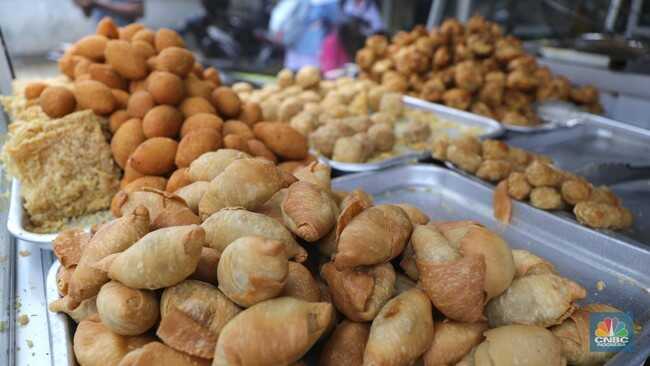
Jakarta – Fried snacks have become a staple on Indonesian dining tables when breaking the fast during Ramadan. These crispy foods are undoubtedly delicious to consume after approximately 12 hours of fasting.
Despite being a popular menu item, few realise that fried foods conceal negative health impacts if consumed too frequently.
Health Minister Budi Gunadi Sadikin stated that a single fried snack contains 100-150 calories. Typically, a person consumes more than one, meaning additional calorie intake accumulates quickly.
“If you eat three, that’s 300-400 calories. For someone with a body weight of 70 kg like myself, that means I have to run 5 kilometres. Because of eating just one like this, I would need to use the treadmill for 15 minutes,” explained the Health Minister in an educational video posted to his personal Instagram account.
He added that it is not easy to burn 300-400 calories. At minimum, one must run 5 kilometres or walk on a treadmill for 15 minutes.
The following are four diseases that threaten those who frequently break their fast with fried foods:
- Obesity
Food that undergoes deep-frying tends to contain high calories and fat content.
- Cancer
Fried foods potentially produce acrylamide substances. Acrylamide is a toxic compound that causes cancer, formed in food during high-temperature cooking processes such as deep-frying.
- Heart Disease
Fried foods significantly influence the risk of increased blood pressure, obesity, and blood vessel blockage, which can cause heart disease. This is because fried foods have high levels of saturated fat and trans fats, which can negatively impact heart health.
- Type 2 Diabetes
According to a study by the Shenzhen University Health Science Centre, continuous consumption of fried foods is closely linked to the risk of developing type 2 diabetes.