
Following Visit to Russia, Major Energy Resilience Challenge Awaits Government
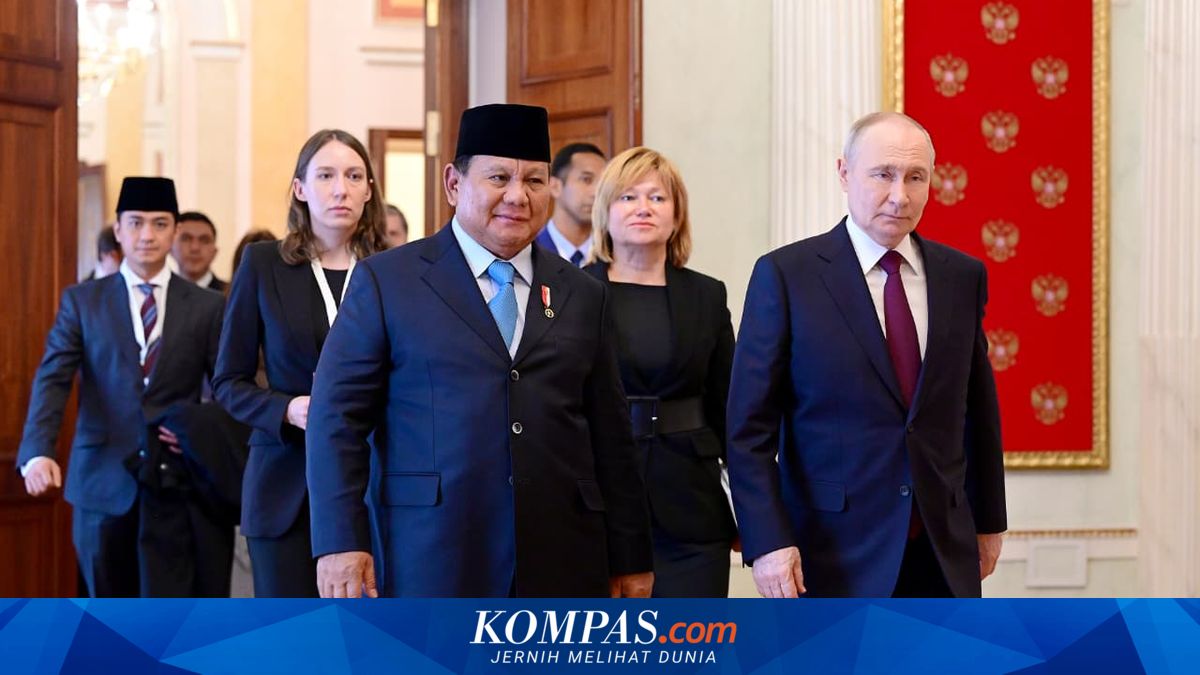
The Indonesian government is pursuing energy diplomacy through a visit to Russia. President Prabowo Subianto’s meeting with Russian President Vladimir Putin at the Kremlin Palace in Moscow discussed geopolitics and cross-sector cooperation. This step is viewed as an effort to seek alternative energy supplies while demonstrating Indonesia’s foreign policy independence. The global situation is also driving this move, with tensions in the Gulf region escalating once more. This action is estimated to hinder around 20 million barrels per day of crude oil and refinery products. Oil prices could potentially breach $100 US per barrel again. Prasasti Arcandra Tahar, from the Board of Experts, assesses that this situation highlights the growing role of geopolitics in determining global energy access. “Energy diplomacy serves as a ‘gateway’ for a country’s energy security. Through government-to-government diplomacy, Indonesia can build high-level political alliances that enable direct access to strategic energy assets in various countries,” Arcandra stated in a written release on Thursday (16/4/2026). Arcandra explained that access to energy sources in the Middle East often depends on inter-country relations. Political relations open opportunities for cooperation while providing certainty for overseas energy investments. Indonesia needs to implement this strategy carefully. Global geopolitical dynamics are becoming increasingly complex. “With a position unbound to any particular power bloc, Indonesia has considerable diplomatic space. If utilised properly, inter-country political relations can be translated into long-term production cooperation that strengthens national energy supply security,” he added. That position makes it one of the most strategic points in global energy distribution. Security disruptions in this region increase energy supply uncertainty. Risks in oil trade also rise.