
Following Susi's Suggestion, DKI Provincial Government to Study Best Method to Address Sailfin Catfish
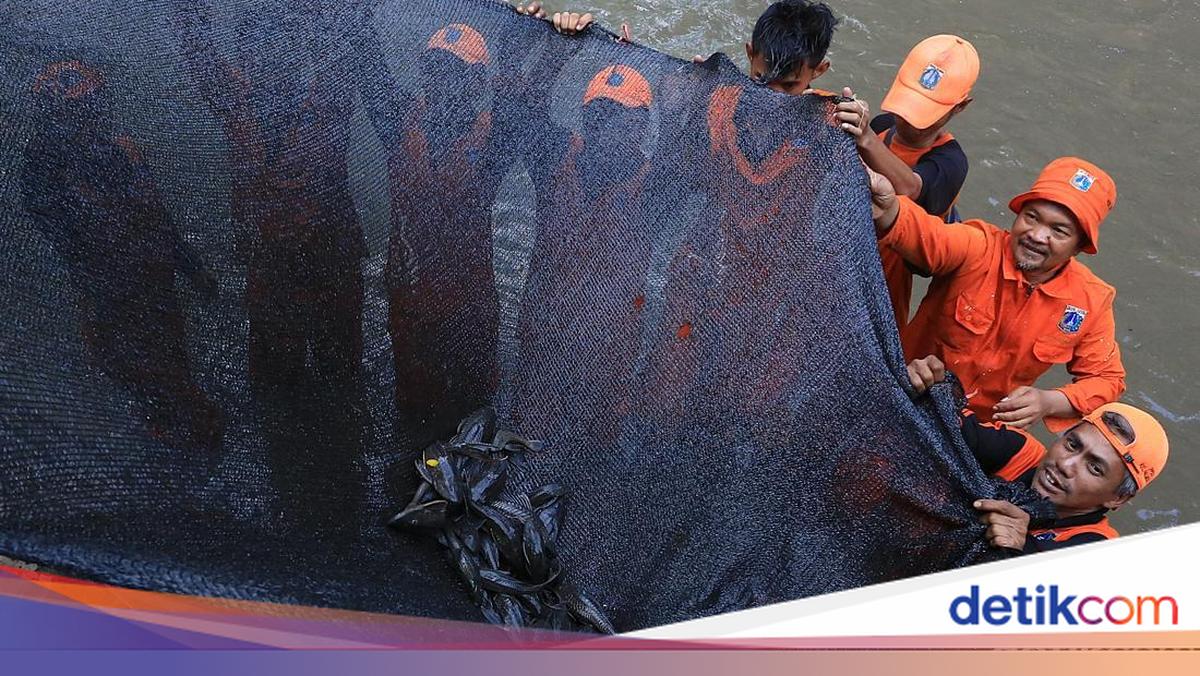
The Head of the DKI Jakarta Fisheries, Livestock, and Food Security Agency, Hasudungan, will review the proposal from former Minister of Maritime Affairs and Fisheries Susi Pudjiastuti regarding methods to address the sailfin catfish in Jakarta. He stated that his side is currently coordinating with various parties to formulate more effective and rule-compliant handling. “We from the DKI Jakarta Provincial Government are coordinating with academics, research institutions, practitioners, as well as the central government to formulate the most effective and efficient method for destroying the captured sailfin catfish, so as not to violate religious principles while also adhering to animal welfare,” Hasudungan told reporters on Tuesday (21/4/2026). He acknowledged that the practice of burying large quantities of sailfin catfish has been difficult to avoid so far. However, he said, some of the fish have been killed first before being buried. “The incident of burying large quantities of sailfin catfish is indeed difficult to avoid, even though some are killed first before being buried,” he said. Hasudungan stated that the handling of sailfin catfish is currently being carried out at several locations. He mentioned that the location with a fairly large sailfin catfish population is in Setu Babakan. “Meanwhile, in Setu Babakan (the largest sailfin catfish population),” he added. Previously, Susi also provided suggestions to Jakarta Governor Pramono Anung on destroying the captured sailfin catfish after the burial method was highlighted by the MUI. Susi proposed that the captured sailfin catfish be turned into fish or livestock feed, or even fertiliser. “Just make it into fish feed or livestock feed, grind it to make fish pellets,” Susi said when contacted on Monday (20/4/2026). In addition, Susi mentioned that the catch of sailfin catfish could be used as fertiliser. The method, she said, is to cut the sailfin catfish and then bury it in agricultural land. “Or it can be plant fertiliser, plant fertiliser can be sent to plantations, chopped and buried in agricultural land,” she stated.