
Following Prabowo's Directive to Organise Railway Areas, KAI Outlines Three Key Steps
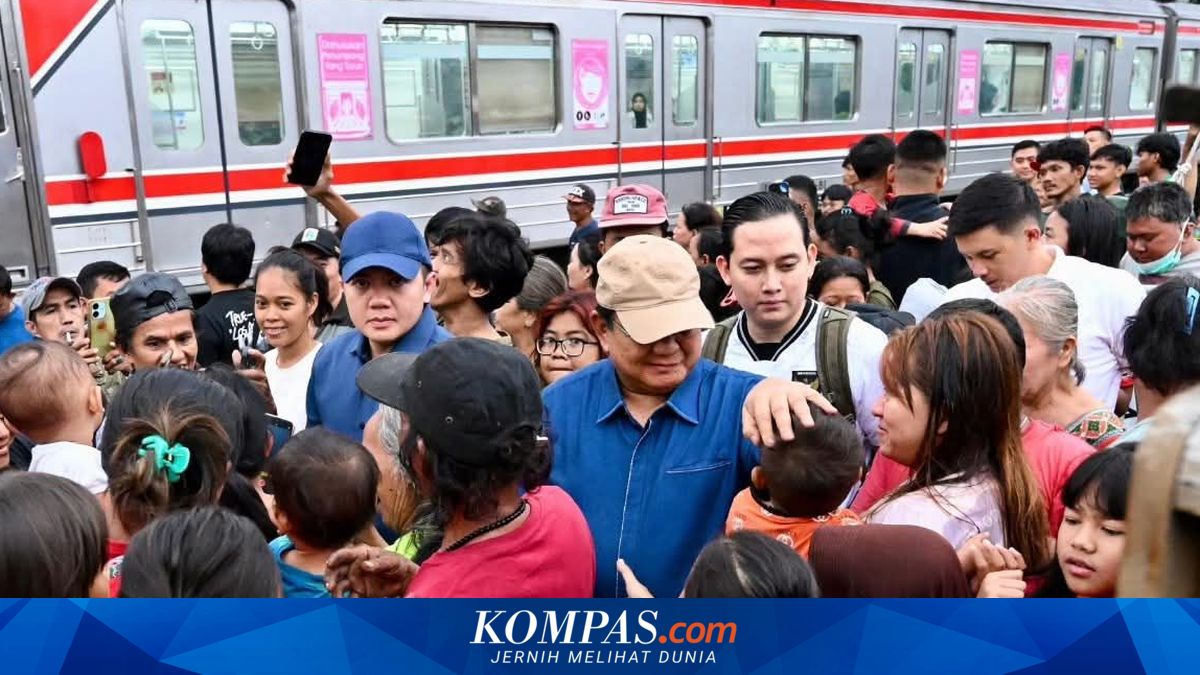
PT Kereta Api Indonesia (Persero) is following up on President Prabowo Subianto’s instructions regarding the acceleration of organising areas around railway tracks. KAI President Director Bobby Rasyidin stated that the company is preparing three main steps to support this policy. These steps include inventorying residents’ settlements around the tracks, securing railway areas, and collaborating with the Ministry of Public Works (PU) and other relevant parties. “We are coordinating with the Ministry of PU for short-term solutions, as well as with other ministries and parties for long-term steps to support decent housing and improve the living standards of the community,” he said in a written statement received by Kompas.com on Friday (27/3/2026). As an initial phase, KAI will conduct checks and further studies in the Pasarsenen area. Subsequently, the organisation will be expanded to other points along the railway lines. In addition, KAI is also striving to improve community living standards through the development of more structured areas, connected to economic centres, and expanding access to business opportunities. “Organising settlements around railway tracks is an important part of creating a more decent environment for the community while strengthening railway travel safety,” Bobby explained. Currently, KAI manages more than 327 million square metres (m²) of railway land that has the potential to support housing development. Specifically in the Jakarta-Bogor-Depok-Tangerang-Bekasi (Jabodetabek) region, the development potential reaches around 131,000 housing units located near transportation hubs. The instructions cover inventorying residents’ settlements as a basis for organisation, as well as preparing housing solutions through cross-ministerial collaboration, both in the short and long term.