
Focus on Containing Rupiah Pressure and Controlling Inflation as BI Hikes Benchmark Rate by 50 Basis Points
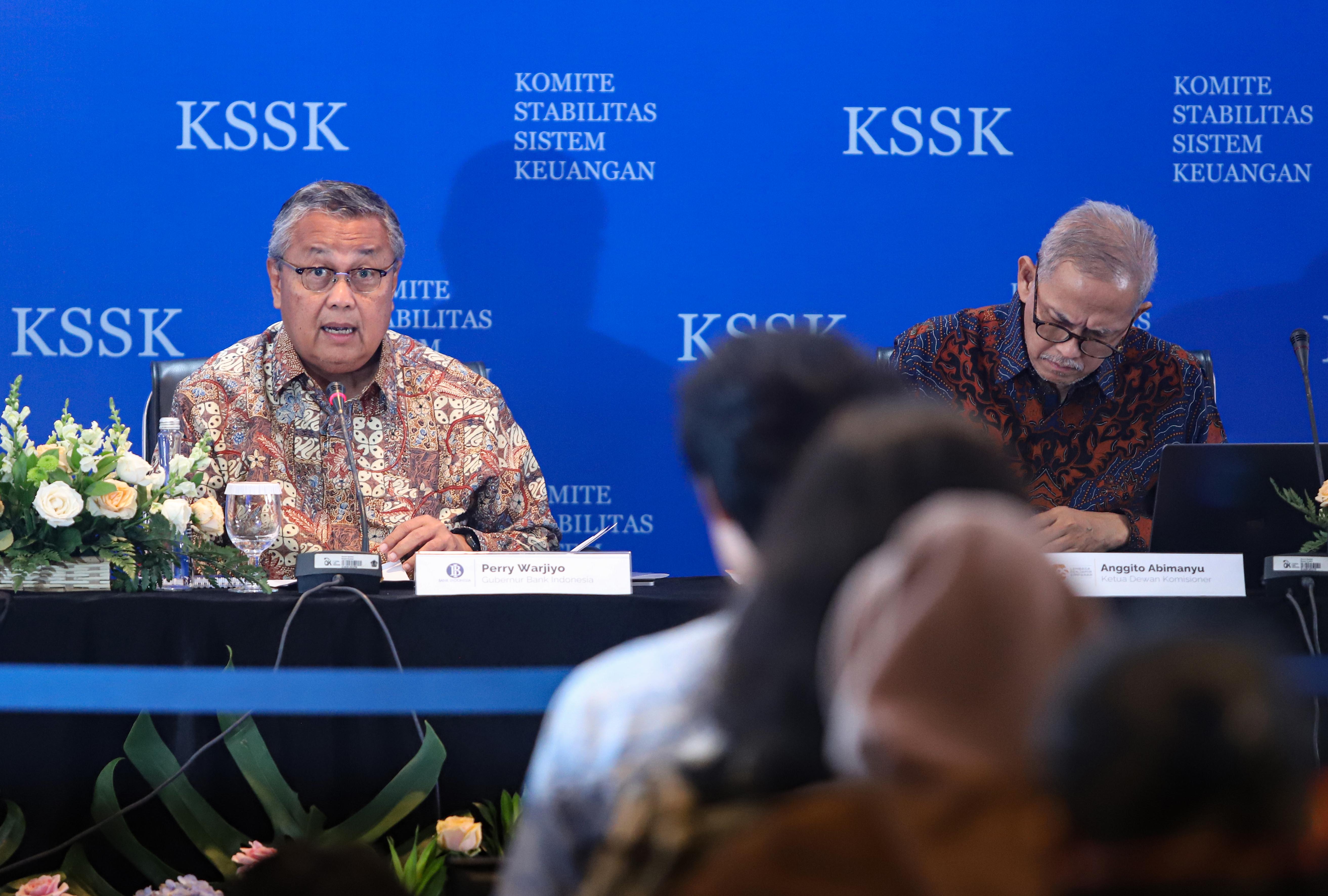
Bank Indonesia (BI) has decided to raise the benchmark interest rate, or the BI Rate, by 50 basis points to 5.25% at the Board of Governors meeting held on 19–20 May 2026. The rate increase is aimed at strengthening Rupiah stability amid rising global economic volatility caused by the geopolitical conflict in the Middle East. Governor Perry Warjiyo said the decision was also taken as a preventive step to keep inflation within the government’s target range for 2026 and 2027. ‘The Board of Governors of Bank Indonesia has decided to raise the BI-Rate by 50 bps to 5.25%, the Deposit Facility rate to 4.25%, and the Lending Facility rate to 6.00%,’ Perry told a press conference on Wednesday, 20 May. He noted that the hikes are intended to bolster the pro-stability policy stance amid high global volatility that challenges Indonesia’s external resilience. Perry explained that the turmoil triggered by the Middle East conflict has increased uncertainties in international financial markets and pressured developing-country currencies, including the rupiah. Therefore, strengthening monetary policy responses is needed to maintain macroeconomic stability. On the other hand, Bank Indonesia emphasised that macroprudential and payment-system policies would remain oriented toward supporting growth (pro-growth). Looser macroprudential policy, according to Perry, would continue to be reinforced to increase credit and financing to the real sector while preserving financial stability. In the payment system, BI will continue efforts to broaden the acceptance of digital transactions and promote inclusive finance by strengthening the national payments ecosystem. ‘The payment-system policy remains directed at supporting digital economy activities and inclusive finance through expanding digital payment acceptance, strengthening the payment-system industry structure, and improving the reliability of payment-system infrastructure,’ Perry explained. The rate hike is expected to be one of BI’s main instruments for maintaining domestic financial-market stability amid high external pressures.