
Flowing Water, Blooming Life: Time to Care and Conserve Water
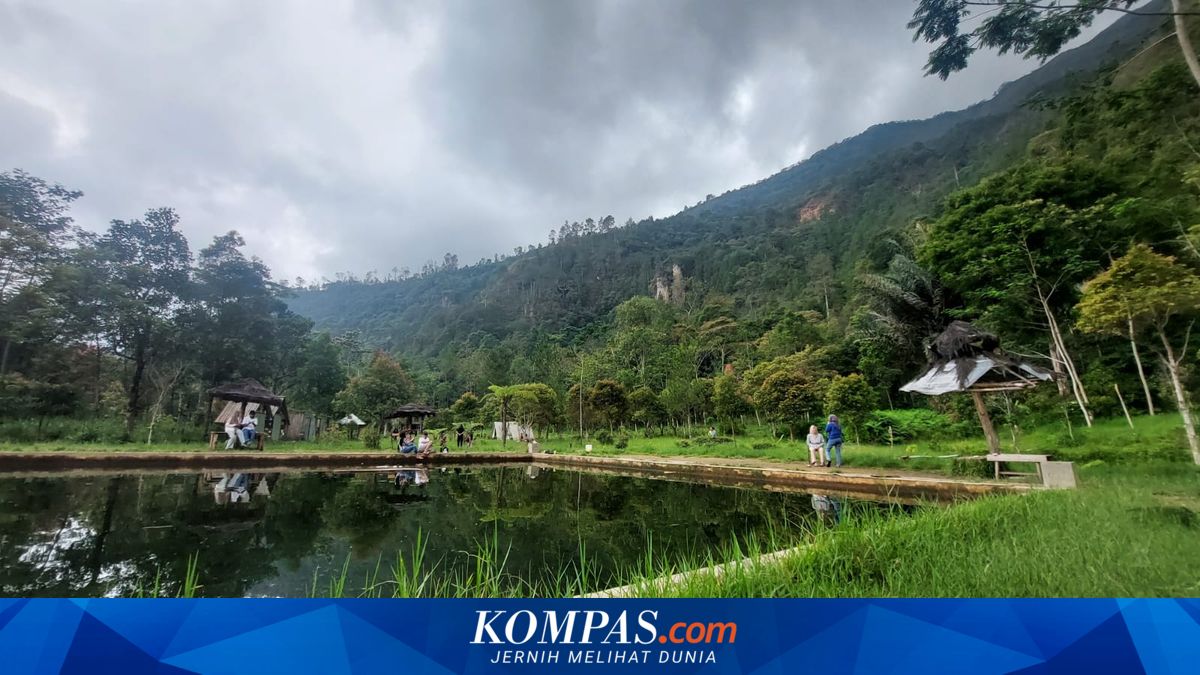
The clean water crisis remains an unresolved global issue. In fact, many people around the world still lack access to safe drinking water.
The Ministry of Communication and Digital Affairs (Komdigi) stated in a press release on Sunday (22/3/2026) that more than 1.8 billion people worldwide do not have direct access to safe drinking water at home, despite various advancements achieved in the last two decades.
Globally, around 2.2 billion people have gained access to safely managed drinking water. However, this figure has not yet bridged the wide gap, particularly in developing countries and remote areas.
For some communities, water may seem like something that is always available. Activities such as washing one’s face, cooking, and bathing can be done easily just by turning on the tap.
However, this situation is very different from the reality faced by millions of people in various parts of the world.
In many regions, people must walk kilometres every day to fetch water. They carry heavy containers to meet their family’s basic needs, from drinking to cooking.
Limited access to clean water not only impacts health but also triggers broader social issues. Women are the group most affected by this crisis.
More than 1 billion women worldwide still lack access to safe drinking water services. As a result, they must spend time and energy to fulfil their family’s water needs.
This condition reduces opportunities for education, work, or personal development.
Additionally, limited clean water access is closely linked to inadequate sanitation facilities. Without adequate sanitation, the risk of disease increases, especially for women and children. They also face security threats as well as loss of privacy and dignity.
Poor sanitation increases the potential for disease transmission, while water scarcity makes hygiene practices difficult.
In the long term, this situation can worsen poverty. Communities continuously facing limited access to water and sanitation tend to be trapped in a hard-to-break cycle of crisis.
The impact is not only felt physically but also affects education, productivity, and overall quality of life.