
Flooding Hits Banjar, Buleleng, Kariyasa Highlights Changes in Land Use
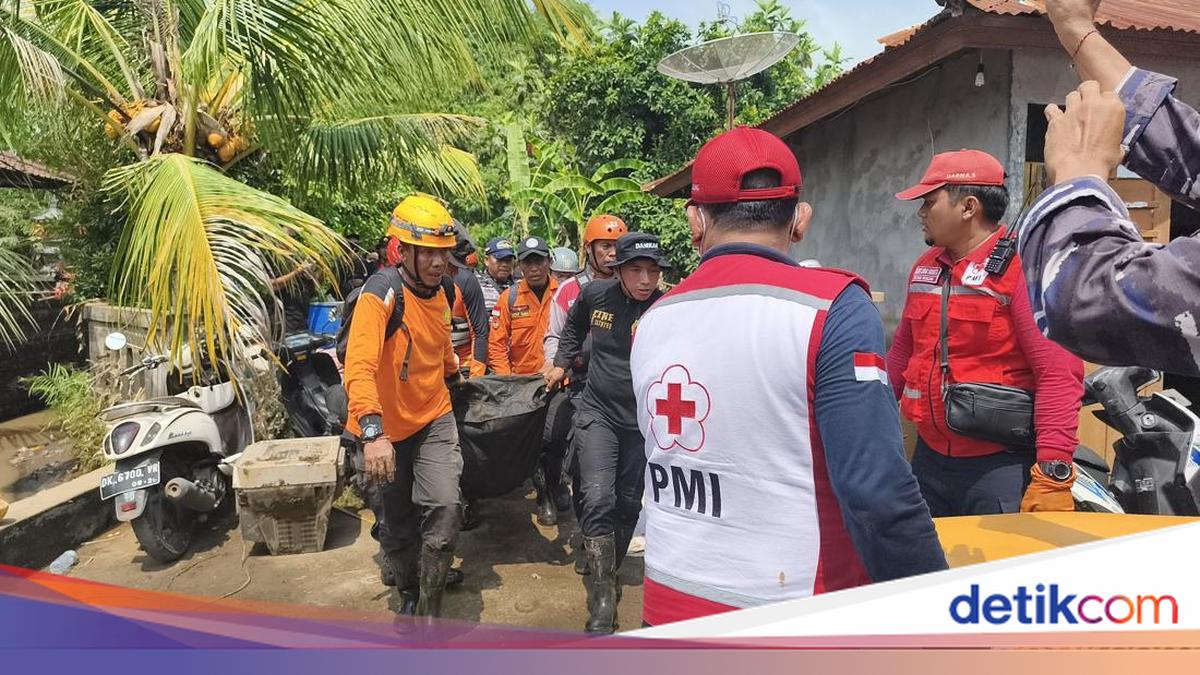
An Indonesian member of parliament from Bali, Ketut Kariyasa Adnyana, has highlighted the flash floods that struck Banjar village in Buleleng Regency. In addition to heavy rain, Kariyasa suspects that changes in land use and vegetation in upstream areas contributed to the flooding on Bali.
‘I share the sympathy and condolences for the disaster in Buleleng. If we look at data since 2002, the intensity and frequency of disasters have increased. Even Denpasar, which previously did not flood, has experienced floods in the last few years,’ Kariyasa said in a statement on Sunday (8 March 2026).
He assessed that disaster intensity in Bali has risen in recent years. He then disclosed the possibility of land-use changes and vegetation shifts in upstream areas as potential causes of flooding on the island of Bali. The PDIP politician noted that deforestation and vegetation change also have influence. ‘Hardy trees that used to hold the soil are being replaced by plants whose roots are not strong enough to hold soil and mud. This must be studied more deeply,’ he explained.
Kariyasa said such vegetation changes often occur for economic reasons. For example, replacing large trees with productive crops such as coffee or fruit. However, he added, such steps have the potential to cause environmental impact. ‘Economically it may be advantageous, but the environmental impact must be considered. Bali is a small island and a tourism region, so disaster issues are highly sensitive,’ he noted.
Nevertheless, Kariyasa stated that the flash floods were also triggered by very heavy rainfall within a short period. He urged all parties to heighten vigilance about climate change impacts.
Kariyasa called on local governments through the BPBD to strengthen disaster- preparedness public awareness among communities. ‘Disaster response socialisation must be intensified, especially at the village level. People must know what to do when a disaster occurs suddenly,’ he said.
The member of the DPR’s VIII Commission will coordinate with disaster-management bodies such as the National Disaster Management Authority (BNPB) and the Ministry of Social Affairs to speed up disaster handling. According to him, the first step should be assessment and rapid, accurate casualty data collection from the lowest level up to the central government. ‘Local governments down to the smallest unit must assist with assessments so that aid can be distributed quickly,’ he said.
Kariyasa explained that the central government has several aid schemes for disaster victims. These include Rp15 million in compensation for fatalities, Rp10 million for those receiving hospital treatment, and Rp5 million for other affected victims.
In addition, he said, assistance is provided for damage to homes, with even rebuilding support for those who lost their homes. It is known that the flash floods struck Banjar village, Banjar District, Buleleng, Bali, on Friday night (6 March). Heavy rain that battered the area since 18:15 WITA triggered a sudden surge in water levels.
Four residents were swept away by the floodwaters. Two have been found dead, while two others are still being searched by a joint search-and-rescue team.